
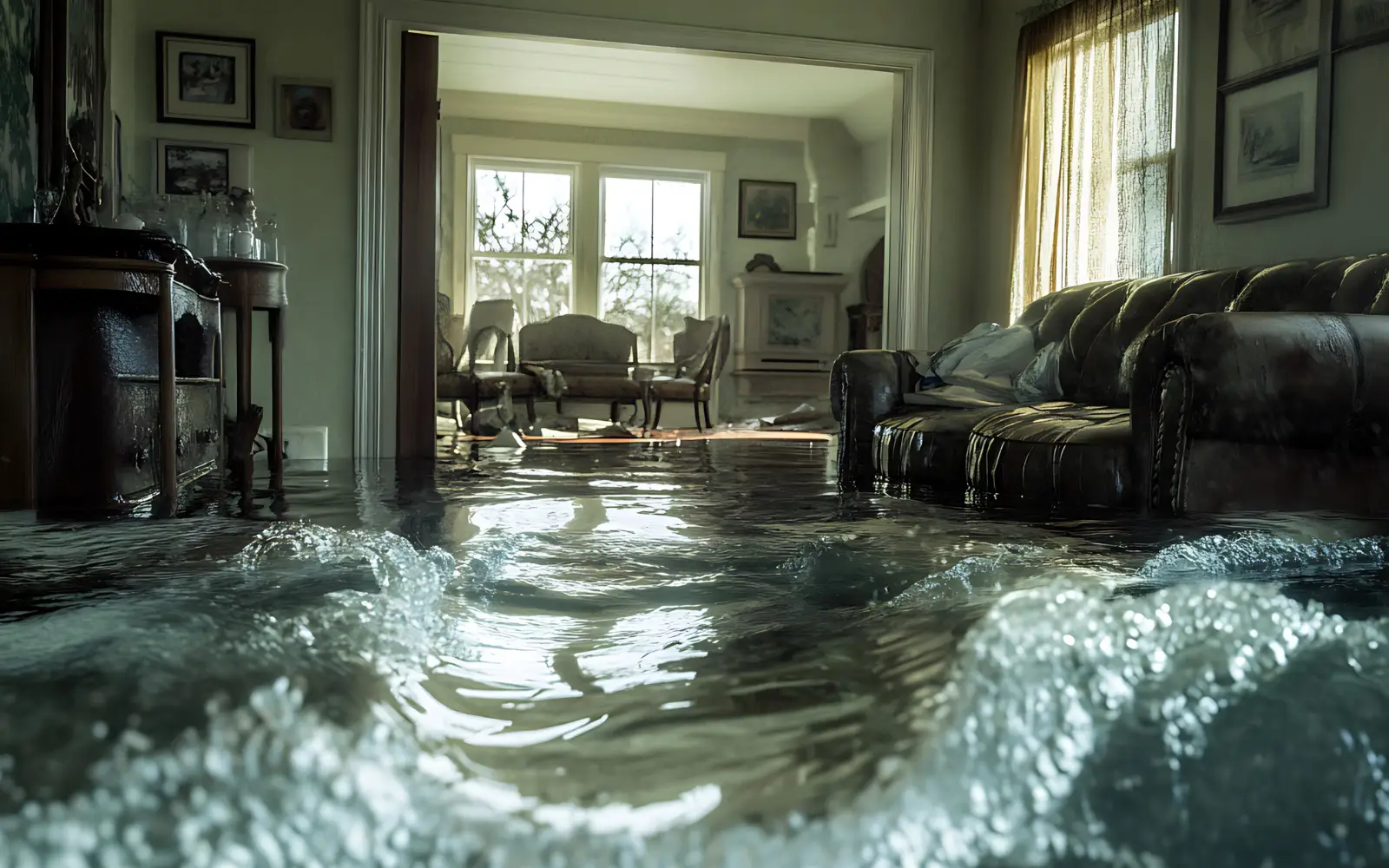
How Restoration Companies Dry Out a House After Water Damage
al restoration companies use moisture meters, extraction equipment, air movers, dehumidifiers, and regular monitoring to dry the structure safely and thoroughly. This article explains what happens during the drying process, how crews decide what can stay and what needs to come out, and why quick action matters when water has reached walls, ceilings, floors, or hidden spaces inside your home after a leak.
How Restoration Companies Dry Out a House After Water Damage
When water damages your home, one of the first questions is usually, “Can’t I just put a fan on it?”
Sometimes, sure. A small surface spill on a hard floor is one thing. But water inside flooring, drywall, ceilings, cabinets, carpet pad, or insulation is a different animal. That’s when drying becomes less about “airing it out” and more about removing moisture from the actual structure.
Water follows gravity, seams, cracks, and absorbent materials. It runs under baseboards, settles below flooring, wicks up drywall, and hides in places that look perfectly normal from the outside. Rude behavior, honestly.
For the full recovery picture, start with our complete guide to water damage restoration. Here, we’re focusing on how restoration companies dry out a house properly after water damage.
Step One: Stop the Source and Remove Standing Water
Before anyone can dry anything, the water source has to be stopped or controlled. Otherwise, drying equipment is basically trying to mop during a rainstorm. Admirable effort. Terrible plan.
Depending on the situation, a restoration crew may start by confirming where the water came from, shutting off the water supply, checking whether the leak is still active, and making sure the home is safe enough to work in. If there’s standing water, extraction usually comes next.
Professional extraction removes water much faster than waiting for it to evaporate. That matters because the less water sitting in the home, the less moisture walls, floors, cabinets, and belongings can absorb.
Early steps may include:
- Stopping or isolating the water source
- Extracting standing water from floors or carpet
- Moving furniture and belongings out of wet areas
- Checking for sagging ceilings or wet electrical areas
- Identifying whether the water may be contaminated
- Protecting unaffected areas from additional damage
This is the emergency side of the job, which we explain in water mitigation vs. water damage restoration. If the damage came from a plumbing failure, see burst pipe water damage: what homeowners should do first.
If water is still spreading, don’t wait for it to “dry up on its own.” Call Reyes Restoration so we can stop the source, extract the water, and keep the damage from making itself at home.
Moisture Mapping Shows Where the Water Actually Went
A good drying plan starts with figuring out where the water traveled. Not where it looks like it traveled. Where it actually went.
That’s why restoration crews use moisture meters, visual inspection, and sometimes thermal imaging to map the affected areas. This helps determine where to place drying equipment, what materials may need to come out, and how long the drying process may take.
Why visible dryness can fool you
A wall can feel dry to the touch while moisture is sitting lower inside the drywall or behind the baseboard. Flooring can look fine while the underlayment or subfloor is still wet. Cabinets can seem okay from the front while the toe kick or back panel is holding moisture.
This is why “it looks dry” is not the same as “it is dry.” One is a feeling. The other takes readings.
What crews usually check
A professional inspection may include walls, baseboards, flooring, ceilings below the leak, cabinets, closets, adjoining rooms, and sometimes the opposite side of a shared wall. Water doesn’t always stay in the room where the leak happened. It has a real talent for wandering.
Hidden moisture is especially common when water is leaking behind walls. How wet the materials are also ties into the categories and classes of water damage, because the water source and severity affect the drying plan.
A room that looks dry can still be holding moisture. Call Reyes and we’ll check the areas water likes to hide, because water is not known for staying in its lane.
Air Movers and Dehumidifiers Work Together
Drying equipment is not just a bunch of fans scattered around the house like someone panicked at a hardware store.
Professional drying relies on airflow, humidity control, temperature, and monitoring. The goal is to move moisture out of wet materials and then remove that moisture from the air.
The EPA recommends drying wet or damp materials within 24–48 hours after a leak or spill because, in most cases, that helps prevent mold growth. That doesn’t mean every water-damaged home is automatically full of mold after two days, but it does mean timing matters.
Here’s the plain-English version:
Air movers help moisture evaporate from wet surfaces and materials. They move air across walls, flooring, framing, and other affected areas.
Dehumidifiers pull moisture out of the air. Without them, air movers may just move damp air around the house. Congratulations, the moisture got a tour.
Containment may be used to create a controlled drying area. This can help equipment work more efficiently instead of trying to dry half the neighborhood.
Placement matters. More equipment isn’t always better if it’s set up poorly. The goal is balanced drying: enough airflow, enough dehumidification, and enough monitoring to make sure the structure is moving in the right direction.
Drying equipment is usually part of mitigation first, then repairs come later. That’s another reason to understand water mitigation vs. water damage restoration. When walls are saturated, homeowners often ask whether they need to remove drywall after water damage.
Have wet walls, flooring, or ceilings? Call Reyes Restoration before mold gets a head start. We’ll set up the right drying plan and monitor it like adults, not like people hoping for the best.
Some Materials Can Be Dried. Some Need to Come Out.
Not every wet material is handled the same way. The decision depends on the water source, the material, how long it stayed wet, whether it’s contaminated, and whether drying can be verified.
Some materials can often be dried when the water is clean and the damage is caught quickly. Others hold moisture too deeply, lose their shape, or become unsafe to leave in place.
Materials that may sometimes be dried include:
- Structural framing
- Some subfloors
- Some drywall in limited clean-water situations
- Certain hard flooring materials
- Some cabinets, depending on construction and saturation
Materials often removed when saturated or contaminated include:
- Carpet pad
- Wet insulation
- Swollen particleboard
- Porous materials affected by dirty water
- Drywall that has been soaked too long or affected by contaminated water
This is where experience matters. Tearing out everything “just because” can create unnecessary disruption. Saving materials that shouldn’t be saved can create bigger problems later. Neither is a great look.
Before you start tearing things out — or saving things that shouldn’t be saved — call Reyes. We’ll help sort what can dry, what needs removal, and what needs to happen next.
Drying Has to Be Monitored, Not Guessed
Professional drying isn’t “drop off equipment and come back whenever.” At least, it shouldn’t be.
The drying process needs follow-up. Materials should be checked over time to confirm moisture levels are going down. If readings aren’t improving, equipment may need to be moved, added, reduced, or adjusted.
A typical monitoring process looks something like this:
- Initial moisture readings establish the starting point.
- Equipment is placed based on the affected materials and moisture map.
- Follow-up readings show whether the structure is drying properly.
- Equipment is adjusted if airflow or humidity needs correction.
- Final readings are documented before repairs begin.
Drying can take several days. Sometimes longer. It depends on the amount of water, the materials affected, indoor temperature, humidity, how long the water sat, and whether wet materials had to be removed.
Timeline questions are also covered in how long does it take to repair water damage in a house.
Drying should be measured, not guessed. Call Reyes and we’ll check moisture levels, explain the plan, and keep you updated while the equipment does its noisy little job.
How Crews Know When the House Is Actually Dry
“Dry” does not mean the carpet feels less squishy. It doesn’t mean the wall stopped looking shiny. And it definitely doesn’t mean the room smells “mostly fine now.”
A house is considered dry when affected materials reach appropriate moisture levels compared with unaffected materials or accepted drying goals. Restoration crews look at readings, conditions, and the materials involved before deciding the drying phase is complete.
Final verification may include:
- Moisture readings on affected walls, floors, ceilings, or framing
- Comparison readings from unaffected areas
- Indoor humidity checks
- Visual inspection
- Confirmation that materials are ready for repair or reconstruction
This matters because repair work should wait until drying is complete. Installing new drywall, flooring, cabinets, or trim too early can trap moisture inside the structure. That can lead to odors, swelling, staining, peeling paint, or mold concerns later. Nobody wants to pay for repairs twice. That’s a very unfun subscription.
Once the home is dry, the next question may be how much water damage restoration costs. For repair planning, see can water damage be repaired, or is it permanent.
Wondering if your home is really dry or just pretending? Call Reyes Restoration. We’ll use moisture readings and plain-English explanations so you’re not left guessing.
The Bottom Line
Drying out a house after water damage takes more than a fan and crossed fingers.
Professional drying starts with stopping the source and extracting water. Moisture mapping shows where water traveled. Air movers and dehumidifiers work together to remove moisture from materials and the air. Some materials can be dried, while others need removal. Monitoring confirms when the home is actually ready for repairs.
Water damage doesn’t fix itself, and a box fan can only do so much. Call Reyes Restoration today to talk with a real tech, send photos if it helps, and get clear next steps for drying your home the right way.
Reyes Restoration is one of the most trusted names in restoration in central Maryland including Baltimore, Annapolis and Washington DC.
Specializing in water & fire damage restoration, mold remediation, and reconstruction, we leave clients across Maryland and the DMV in a better position than before the loss.
Call 410-412-8457 and speak to a technician today!