
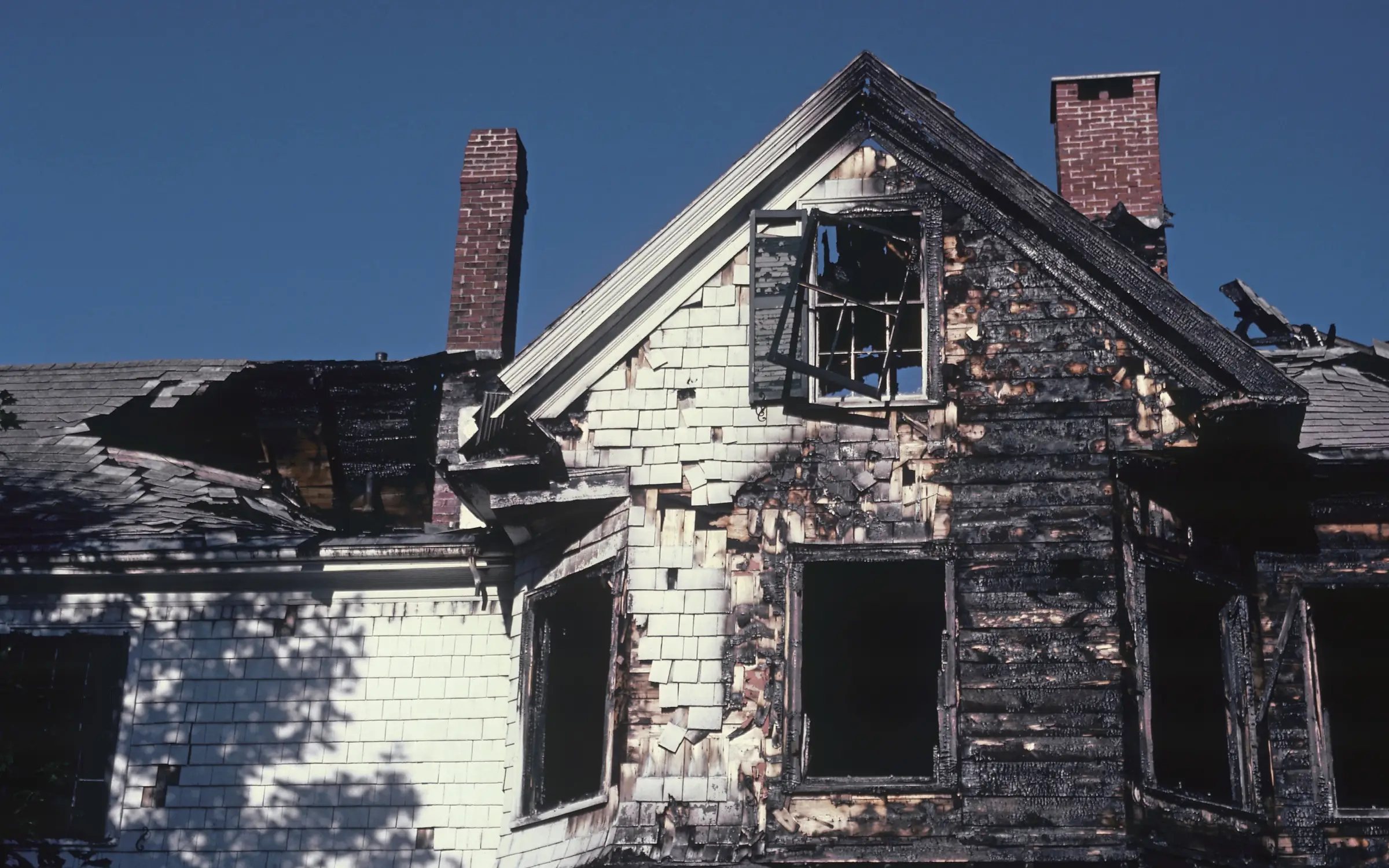
Can You Paint Over Soot After a Fire?
After a fire, painting over soot can feel like the fastest way to make the room look normal again.
Fresh paint covers the stains. The walls look cleaner. For a minute, it seems like the problem is solved.
Usually, it is not.
Paint can hide soot, but it does not remove smoke residue, odor, or contamination. If the surface is not cleaned and prepared correctly, stains can bleed back through, odor can return, and the new paint may not bond properly. A good fire damage restoration plan handles soot and smoke damage first, then repainting comes later.
Why Painting Over Soot Is a Problem
Soot is residue left behind after materials burn. Depending on the fire, that residue may be oily, acidic, sticky, powdery, or extremely fine.
When you paint over it, you are not removing the problem. You are trapping it under a new finish.
That can lead to:
- Yellow, gray, or brown stains bleeding through
- Paint that peels, bubbles, or does not bond well
- Smoke odor returning when the room warms up
- Residue staying active under the surface
- More work later when the wall has to be cleaned, sealed, and repainted
Painting over soot may seem like the quick fix, but it often turns one job into two.
Before you roll paint over smoke stains, call Reyes Restoration so the surface can be inspected and cleaned the right way.
Soot Is Not the Same as Dust or Dirt
Soot can look like dust, but it does not clean like dust.
Different fires leave different residue:
- Cooking fires may leave greasy protein residue.
- Wood or paper fires may leave dry soot.
- Plastics and synthetic materials can leave stubborn residue and strong odor.
- Furnace puffbacks may spread fine, oily soot through multiple rooms.
The cleaning method depends on both the residue and the surface. Painted drywall, cabinets, trim, ceilings, furniture, and textured surfaces may all need different treatment.
Using the wrong cleaner can smear soot or set stains deeper. That is why “just wipe it down first” is not always safe advice. To understand why soot behaves this way, it helps to know the difference between smoke damage and fire damage.
Reyes can identify what kind of soot is present before choosing the right cleaning method.
What Happens If You Paint Too Soon?
If you paint too soon, the room may look better for a little while. Then the problems start showing up.
A stain may slowly bleed through the new paint. A smoky smell may return when the sun hits the wall or humidity rises. The paint may not stick evenly. In some cases, the surface may need to be stripped, cleaned, sealed, and repainted.
Not exactly the relaxing weekend project you were hoping for.
The issue is not the paint itself. The issue is what is underneath it. If soot, smoke residue, or odor sources remain, paint alone cannot do the job.
If you already painted and the stain or smell came back, Reyes can inspect the area and help correct the source of the problem.
When Can Smoke-Damaged Walls Be Repainted?
Smoke-damaged walls can be repainted after the damage has been properly evaluated, cleaned, and prepared.
The right order usually looks like this:
- Inspect the affected area.
- Identify the type of soot or smoke residue.
- Clean residue from walls, ceilings, trim, or nearby surfaces.
- Address smoke odor at the source.
- Remove damaged materials if they cannot be cleaned.
- Dry any wet materials if firefighting water was involved.
- Use proper primer or sealer if appropriate.
- Repaint after the surface is ready.
This is where fire damage restoration matters. The goal is not just to make the wall look clean today. The goal is to keep odor, staining, and residue from coming back later.
Reyes can help determine whether your walls need cleaning, sealing, removal, or repainting as part of the restoration plan.
Can You Clean Soot Yourself Before Painting?
Maybe, but be careful.
Very light residue on a small, non-porous surface may be manageable. But smoke-damaged walls, ceilings, cabinets, textured surfaces, and porous materials are different.
Household cleaners can smear soot. Wet cleaning dry soot can make the stain worse. Scrubbing can push residue deeper into the surface. Regular sponges and towels may spread contamination instead of removing it.
If soot is on painted walls, ceilings, trim, cabinets, or multiple rooms, it is better to get a professional opinion before trying to clean and repaint.
If soot covers painted walls, ceilings, cabinets, or multiple rooms, call Reyes before attempting DIY cleanup.
Why Smoke Odor Can Survive New Paint
Smoke odor is stubborn because it does not always live on the surface you can see.
It may be in carpets, clothing, insulation, cabinets, wall cavities, contents, or HVAC pathways. Paint only covers the visible surface. If the source remains, the smell can come back.
Home fire damage is also common. The U.S. Fire Administration reported 344,600 residential building fires in 2023, which is one reason proper smoke and soot cleanup matters. Source: U.S. Fire Administration residential fire statistics.
Smoke odor removal may require cleaning, deodorization, material removal, or sealing after proper prep. A fresh coat of paint is not a deodorizer, no matter what the label tries to imply.
If smoke smell remains after cleaning or painting, Reyes can help locate and treat the source instead of covering it up.
What Professional Soot Removal Usually Involves
Professional soot removal starts with inspection. The team looks at where the fire started, how far smoke traveled, what surfaces are affected, and what type of residue is present.
From there, the process may include:
- Protecting unaffected areas
- Choosing dry or wet cleaning methods
- Cleaning walls, ceilings, trim, cabinets, and contents
- Removing materials that cannot be cleaned
- Treating smoke odor
- Drying wet materials if needed
- Preparing surfaces for repair or repainting
This is why fire damage restoration is not just cleanup with stronger soap. It is a sequence. Clean what can be cleaned. Remove what cannot stay. Treat odor. Prepare the surface. Then repair and repaint.
Soot removal is one important part of what restoration companies do after a fire.
Reyes handles soot removal, smoke damage cleanup, odor control, and repair planning so repainting happens at the right time.
What Homeowners Should Do Before Repainting
Before buying paint, take a breath. Then take a few smart steps.
Do:
- Take photos for insurance if it is safe.
- Check nearby rooms for odor or residue.
- Avoid running HVAC if smoke residue may be present.
- Call a restoration professional for an inspection.
- Ask whether the area needs cleaning, sealing, removal, or repainting.
Do not:
- Paint over visible soot.
- Scrub walls without guidance.
- Use fans to move smoky air around.
- Ignore odor in closets, cabinets, or soft goods.
- Assume one clean-looking wall means the room is fine.
Before buying paint, call Reyes and send photos if you can. We can help you decide whether the area needs professional cleaning first. If the fire just happened, start with what to do after fire damage in your home before cleaning or repainting
Clean First. Paint Later.
So, can you paint over soot?
You can, physically. But you probably should not.
Painting over soot can hide damage temporarily, but it may trap odor, cause stains to return, and create adhesion problems. The better approach is to inspect, clean, deodorize, prep, and then repaint when the surface is truly ready.
Reyes Restoration provides fire damage restoration in Maryland and Washington, DC, including soot removal, smoke damage cleanup, odor control, and repair planning.
Call Reyes Restoration now to talk with a real restoration professional. Prefer to start online? Submit a loss and upload photos if available.
Learn everything you need to know about fire damage restoration in our complete guide.
Reyes Restoration is one of the most trusted names in restoration in central Maryland including Baltimore, Annapolis and Washington DC.
Specializing in water & fire damage restoration, mold remediation, and reconstruction, we leave clients across Maryland and the DMV in a better position than before the loss.
Call 410-412-8457 and speak to a technician today!