

Complete guide to Fire and Smoke Damage Restoration: Cleanup, Odor Removal, and Repair
A fire doesn’t have to destroy an entire home to turn your life upside down.
Sometimes it’s a kitchen fire that gets put out quickly. Sometimes it is smoke from an electrical issue, a furnace puffback, or a small fire that leaves soot in rooms the flames never touched. And sometimes the damage is heavy enough that the property needs emergency board-up, cleanup, odor removal, contents handling, and repairs before it feels like home again.
Once the fire is out and everyone is safe, the next step is getting the property stabilized. Smoke residue, soot, water from firefighting, and exposed openings can keep causing damage if they are not handled correctly.
Reyes Restoration provides fire and smoke damage restoration for homeowners throughout Maryland and Washington, DC. We clean, deodorize, protect, and repair fire-damaged spaces with the kind of steady communication people need after a stressful loss.
Call Reyes Restoration now to talk with a real restoration professional.
Prefer to start online? Submit a loss and upload a few photos if you have them. Photos can help us understand what happened before we arrive, but we will still walk the property when needed to build the right plan.
- Fire Damage Is More Than What Burned
- What to Do Right After a Fire in Your Home
- Reyes Restoration’s Fire and Smoke Damage Restoration Process
- Smoke and Soot Cleanup: Why Professional Removal Matters
- Smoke Odor Removal After a Fire
- What Can Be Saved After Fire or Smoke Damage?
- Fire Damage Repair and Reconstruction
- Does Homeowners Insurance Cover Fire and Smoke Damage?
- How Long Does Fire Damage Restoration Take?
- Why Homeowners Call Reyes Restoration After Fire Damage
- Fire and Smoke Damage Restoration FAQs
- Call Reyes Restoration for Fire and Smoke Damage Cleanup
Fire Damage Is More Than What Burned
After a house fire, it is natural to look first at what burned. Charred cabinets. Damaged drywall. Melted fixtures. A blackened ceiling above the stove. Those areas matter, of course. But fire damage restoration usually involves more than removing the visibly burned materials.
Smoke travels, soot settles, and odor hides in places you would not expect.
A fire in one room can leave residue on walls, ceilings, furniture, clothing, vents, insulation, and personal belongings in other parts of the home. The water used to put out the fire can soak floors, walls, trim, and structural materials. If windows, doors, siding, or roofing were damaged, the home may also need temporary protection to keep weather and unwanted access out.
Common fire and smoke damage issues include:
- Burned or charred building materials
- Smoke residue on walls, ceilings, cabinets, and contents
- Soot staining and discoloration
- Lingering smoke odor
- Water damage from firefighting
- Wet insulation, flooring, drywall, or framing
- Damaged windows, doors, roofing, or exterior openings
- Personal belongings that need cleaning, storage, or replacement
- Repairs and reconstruction after cleanup

That’s why a professional fire restoration company looks at the whole loss, not just the most obvious burn marks. The goal is to get the property clean, safe, dry, odor-controlled, and ready for repair.
A good restoration plan should answer the questions homeowners actually care about: What needs to happen first? What can be saved? What has to come out? How do we deal with the smell? How do we keep this from getting worse?
That’s where Reyes steps in.
What to Do Right After a Fire in Your Home
The first priority after any fire is safety. Property can be repaired, but people come first.
If emergency services are still needed, call 911. If firefighters, police, or another authority has not cleared the property for entry, do not go back inside. Fire-damaged buildings can have hidden hazards, including weakened materials, electrical issues, contaminated debris, poor air quality, slippery surfaces, and hot spots.
Once everyone is safe and the scene is cleared, here are the next steps to take.
- Do not re-enter until the property is cleared
Even if the fire looked small, smoke, soot, water, and damaged materials can create unsafe conditions. Wait until fire officials or the proper authority says it is safe. - Call your insurance carrier
Notify your insurance company that a fire occurred. They can explain your policy process and claim requirements. You do not need to know every detail before calling. Just report the loss and ask what they need from you. - Take photos from a safe distance
Photos and videos can help document the condition of the property. Only do this if it is safe. Do not climb, move debris, or touch damaged materials to get a better shot. - Avoid touching soot-covered surfaces
Soot can smear easily. Oils from your hands can set stains into walls, trim, furniture, and other surfaces. What looks like a quick wipe can become a bigger cleaning problem. - Do not turn on the HVAC system
If smoke or soot may have entered the system, running it can move odor and residue through the home. Wait for a professional evaluation. - Do not start throwing things away too quickly
Some belongings may be salvageable. Others may need to be documented before disposal for insurance purposes. When in doubt, pause and ask. - Call a fire damage restoration company
The sooner the property is stabilized, the better. Board-up, tarping, water removal, soot cleanup, odor control, and contents handling can all help prevent additional damage.
Reyes Restoration can walk you through the next steps, explain what needs urgent attention, and begin protecting the home. You don’t need to have the whole thing figured out before you call. That’s our job.
Reyes Restoration’s Fire and Smoke Damage Restoration Process
Every fire loss is different. A small contained kitchen fire does not need the same plan as a whole-home smoke event or a property with structural damage. Still, the process usually follows a clear path: inspect, protect, clean, deodorize, repair, and help bring the space back to normal.
Here is how Reyes approaches fire and smoke damage restoration.
Emergency Response and Walkthrough
The first step is understanding what happened and what the property needs right away.
During the walkthrough, our team looks at the affected areas, visible fire damage, smoke spread, soot residue, odor, moisture, and any immediate safety or protection concerns. We also listen. A homeowner can usually tell us what they saw, where the fire started, how smoke moved, and what rooms or belongings they are most worried about.
We explain what we are seeing in plain language. No scare tactics. No restoration bingo words tossed around just to sound impressive. You should understand what needs to happen and why.
Board-Up, Tarping, and Property Protection

If the fire damaged windows, doors, siding, roofing, or other openings, the property may need to be secured before cleanup can move forward. Board-up and tarping help protect the home from rain, wind, animals, vandalism, and additional damage.
This step is especially important when a fire leaves the home exposed. Even one heavy rain can turn a fire loss into a bigger water damage problem.
Reyes provides board-up and tarping after fires, storms, and other property damage events. We secure what needs to be secured so the recovery process can begin on steadier ground.
Water Removal and Drying When Needed
Fire damage and water damage often show up together. Firefighters may use water to extinguish the fire, and that water can soak floors, walls, ceilings, cabinets, insulation, and framing.
If moisture is present, it needs to be addressed. Wet materials can lead to swelling, staining, odor, and mold growth if ignored. Our team can inspect moisture conditions, remove standing water when needed, and dry affected areas using professional equipment.
Fire cleanup should not skip the water side of the loss. A house can look smoky on the surface while moisture is quietly sitting inside materials.
Soot and Smoke Residue Removal
Soot is not regular dust. It can be acidic, oily, fine, sticky, and difficult to remove without the right methods. Some soot wipes away dry. Some smears. Some stains quickly. Different surfaces need different cleaning approaches.
Our team identifies the type and extent of residue, then cleans affected surfaces using appropriate products, tools, and techniques. That may include walls, ceilings, cabinets, floors, fixtures, trim, furniture, and other contents.
The goal is to remove the contamination, not just make the surface look a little better for now.
Smoke Odor Removal and Deodorization
Smoke odor can linger long after visible soot is cleaned. That smell may be trapped in porous materials, soft goods, cabinets, wall cavities, insulation, HVAC pathways, and personal belongings.
Reyes uses odor control methods based on the source, severity, and materials involved. Sometimes odor removal requires cleaning and deodorizing surfaces. Sometimes damaged porous materials need to be removed. Sometimes contents need to be packed out and treated separately.
We don’t believe in just covering up smoke odor. A candle and a fresh coat of paint are not a restoration plan. The source of the odor has to be found and handled properly.
Contents Cleaning, Pack-Out, and Storage
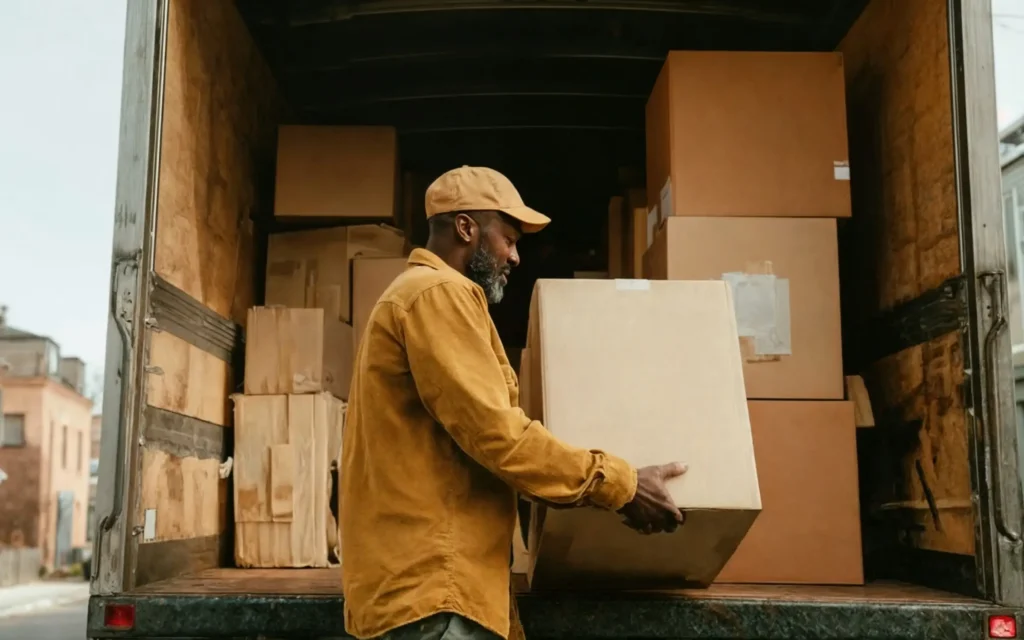
After a fire, your belongings matter. Clothing, furniture, keepsakes, electronics, documents, dishes, tools, toys, and everyday household items may all be affected by smoke, soot, or water.
Some items can be cleaned. Some need specialty evaluation. Some may not be salvageable. Reyes can help document affected belongings, pack out items when appropriate, clean and deodorize salvageable contents, store them safely, and return them once the home is ready.
We treat contents carefully because we know they are not just “stuff.” They are part of your life.
Cleaning, Repair, and Reconstruction
Once damaged materials are removed and the property is cleaned, the repair phase begins. Depending on the fire, this may include drywall, paint, trim, flooring, cabinetry, framing, insulation, doors, and other reconstruction work.
Reyes provides restoration and reconstruction services, which helps create a smoother path from emergency cleanup to finished repair. Instead of leaving homeowners to piece together the next step on their own, we help keep the process moving.
Smoke and Soot Cleanup: Why Professional Removal Matters
Soot has a way of making homeowners think, “Maybe I can just wipe this down.”
Sometimes the damage looks light: Maybe there’s a gray film on the ceiling, or the cabinet faces look smoky. Maybe the wall above the stove has black staining. But soot can be stubborn, and the wrong cleaning method can make things worse.
Soot particles are small. They can settle into textured surfaces, cracks, porous materials, grout, unfinished wood, fabrics, and painted walls. Depending on what burned, soot may be dry and powdery, oily and sticky, or mixed with residue that stains quickly.
That matters because different soot conditions require different cleaning methods.
Scrubbing oily soot can spread it. Wet-cleaning dry soot too soon can smear it. Using the wrong product can set staining into a surface. Painting too early can trap odor and allow stains to bleed back through later. And if smoke residue remains in hidden areas, the smell may keep coming back even after the room looks cleaner.
Professional soot removal helps protect the property and the repair budget. The right process can determine what can be cleaned, what needs to be sealed, and what should be removed and replaced.
This is especially important on:
- Painted walls and ceilings
- Cabinets and wood surfaces
- HVAC registers and nearby surfaces
- Textured ceilings
- Tile and grout
- Upholstery and soft goods
- Flooring and trim
- Appliances and fixtures
- Personal belongings
Soot cleanup is one of those jobs where “good enough” can become expensive later. Reyes handles smoke and soot cleanup with the right tools, products, and patience to do it cleanly.
Smoke Odor Removal After a Fire
Smoke odor is one of the most frustrating parts of fire damage. You can clean the room, open windows, replace a few items, and still catch that smell days or weeks later.
That happens because smoke odor does not always stay where the fire happened. It can move through the home with air currents, settle into porous materials, and hide in spaces that are easy to overlook. Walls, ceilings, carpets, cabinets, clothing, insulation, duct pathways, attic spaces, and contents can all hold odor.
The type of fire also matters. A protein fire from cooking does not behave the same way as a fire involving plastics, wood, fabric, or synthetic materials. Some residues are nearly invisible but leave a strong odor. Anyone who has dealt with a small kitchen fire knows how something can look “not that bad” and still smell like trouble every time you walk in.
Professional smoke odor removal starts with source control. That may mean removing unsalvageable materials, cleaning affected surfaces, deodorizing contents, treating specific areas, and checking for hidden residue.
The goal is not to make the home smell like flowers for a few days. The goal is to remove or neutralize the contamination causing the odor.
Common odor control steps may include:
- Removing burned or heavily contaminated materials
- Cleaning soot and smoke residue from surfaces
- Deodorizing salvageable contents
- Addressing soft goods and porous materials
- Cleaning areas where smoke traveled
- Using professional deodorization methods when appropriate
- Preparing repaired surfaces correctly before painting or finishing
Smoke odor can be stubborn, but it is not something homeowners should have to live with. Reyes works to track the odor to its source and build a plan that actually makes sense for the home.
What Can Be Saved After Fire or Smoke Damage?
One of the first questions homeowners ask after a fire is, “Can any of this be saved?”
The honest answer is: sometimes, yes. But it depends on the item, the material, the type of smoke, how much residue is present, whether water damage occurred, and how long the item sat before cleaning.
Non-porous items are often more likely to be cleaned successfully. Glass, metal, ceramics, some plastics, dishes, and certain hard-surface belongings may respond well to proper cleaning. Wood furniture, depending on finish and severity, may also be salvageable.
Porous items are trickier. Upholstery, mattresses, rugs, clothing, books, paper goods, unfinished wood, and some sentimental items can absorb odor and residue. Some can be cleaned and deodorized. Others may be too damaged to restore safely or effectively.
Electronics should be handled carefully. Smoke residue and soot can affect internal components, and turning on an affected device too soon may cause additional damage. Electronics often need evaluation before anyone decides whether they can be saved.
Reyes can help sort contents into practical categories:
- Items that appear salvageable
- Items that need specialty cleaning
- Items that should be documented for insurance
- Items that are unsafe or not cost-effective to restore
- Items that need temporary storage during repairs
We don’t make blanket promises just to sound reassuring. We evaluate contents carefully and explain what is realistic. When something can be cleaned and returned, great. When it cannot, we help document it properly so the next step is clear.
Fire Damage Repair and Reconstruction
Cleanup is only part of fire damage restoration. Once the soot is removed, odors are addressed, wet materials are dried, and damaged areas are opened up, the home may still need repairs before it feels whole again.
Fire damage repair can range from minor finish work to larger reconstruction.
A small fire may require cleaning, sealing, repainting, trim replacement, and cabinet touch-ups. A larger fire may involve demolition, drywall replacement, flooring, insulation, framing repairs, electrical coordination, roofing, doors, windows, cabinetry, and full room reconstruction.
Common fire repair needs include:
- Drywall removal and replacement
- Ceiling repair
- Flooring repair or replacement
- Trim and molding
- Cabinet repair or replacement
- Interior painting
- Insulation replacement
- Door and window repairs
- Structural repairs where needed
- Exterior repairs after fire or emergency access damage
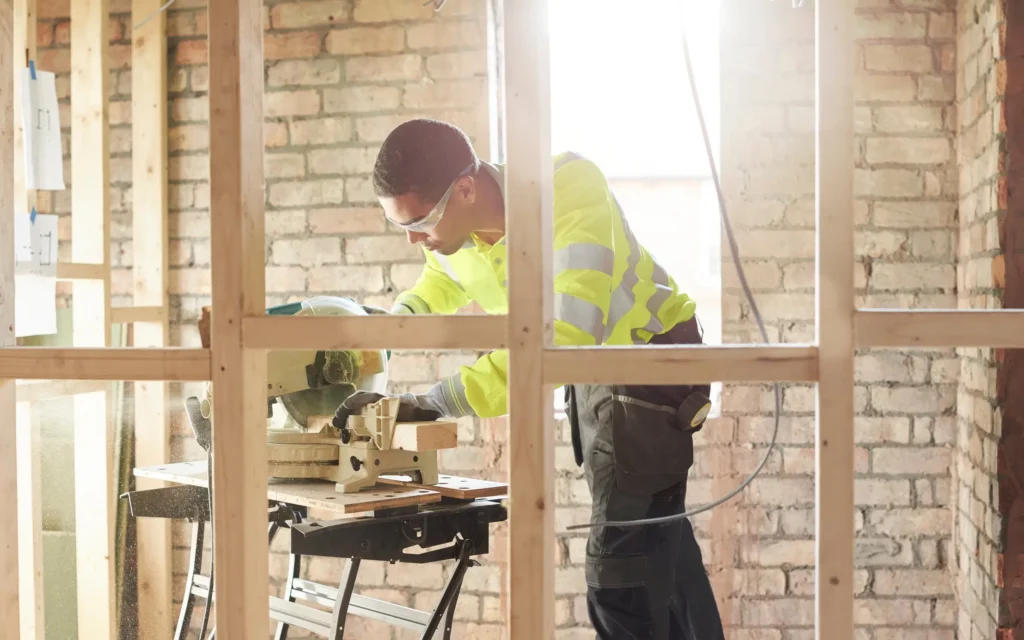
The transition from cleanup to repair matters. If smoke residue is not handled correctly before reconstruction, odor and staining can return. If moisture is missed before rebuilding, materials can be closed up too soon. If damaged materials are patched instead of properly removed, the finished result may not last.
Reyes Restoration provides both emergency restoration and reconstruction support. That gives homeowners a more connected process, from the first walkthrough to the final repairs.
The goal is not just to make the damage disappear in photos. It is to restore the space so it looks, feels, and functions the way it should.
Does Homeowners Insurance Cover Fire and Smoke Damage?
In many cases, homeowners insurance may cover fire and smoke damage when the loss is sudden and accidental. That can include damage to the structure, personal belongings, smoke cleanup, odor removal, emergency services, and repairs, depending on the policy.
But coverage always depends on the specific policy, cause of loss, limits, exclusions, documentation, and carrier review. Every claim is different.
After a fire, contact your insurance company as soon as it is safe to do so. Ask what information they need, whether temporary repairs are approved, how contents should be documented, and what steps you should take before discarding damaged items.
Reyes Restoration works with major insurance carriers and understands how important documentation is during a fire restoration project. We can help document visible damage, affected areas, materials, contents, moisture conditions, and the restoration work performed.
That doesn’t mean every item or service is automatically covered. It means we help keep the restoration side organized so you are not trying to explain soot patterns, odor issues, water damage, and repair needs on your own.
A few helpful insurance reminders:
- Take photos and videos when it is safe.
- Do not throw away damaged items until they are documented or your carrier gives direction.
- Keep receipts for emergency expenses.
- Ask your carrier about temporary housing if the home is not livable.
- Save claim numbers and adjuster contact information.
- Call a restoration company quickly to prevent additional damage.
Insurance can feel like one more stressful thing after a fire. Reyes helps make the property side clearer so you can move through the process with less guesswork.
How Long Does Fire Damage Restoration Take?
Fire damage restoration timelines vary. There is no honest one-size-fits-all answer.
A light smoke cleanup from a small, contained fire may take far less time than a major fire involving structural damage, water damage, contents pack-out, odor removal, and reconstruction. The timeline depends on what happened, how far smoke traveled, what materials were affected, and what repairs are needed.
Factors that can affect the restoration timeline include:
- Size and location of the fire
- Amount of soot and smoke residue
- Type of materials burned
- Severity of smoke odor
- Water damage from firefighting
- Number of affected rooms
- Whether contents need to be packed out
- Drying time for wet materials
- Demolition and cleaning needs
- Insurance approvals
- Material availability
- Permits or inspections when required
- Reconstruction scope
The first priority is not guessing the final completion date. The first priority is stabilizing the property. That may mean securing the home, addressing water damage, preventing further exposure, documenting the loss, and starting cleanup.
After Reyes walks the property, we explain the next steps and what may affect the schedule. We keep communication practical: what we know now, what needs to happen next, and what could change once hidden damage is uncovered.
A fire loss already brings enough uncertainty. Homeowners deserve a restoration team that tells the truth, explains the plan, and keeps the work moving.
Why Homeowners Call Reyes Restoration After Fire Damage
After a fire, you need more than equipment and cleaning products. You need a team that knows how to walk into a stressful situation without making it feel heavier.
Reyes Restoration is a local, family-owned restoration company serving homeowners across Maryland and Washington, DC. We provide 24/7/365 emergency services for fire, smoke, water, mold, storm, and related property damage.
Our team is IICRC-certified, with training in fire and smoke restoration, odor control, water damage restoration, mold remediation, and other restoration disciplines. That training matters because fire losses often overlap with water, odor, contents, and reconstruction needs.
But credentials are only part of the job.
The way a restoration company communicates matters. The way the crew treats your home matters. The way the first walkthrough feels matters. You should not be left wondering who is coming, what they are doing, or why something has to be removed.
Homeowners call Reyes because we focus on:
- Fast emergency response
- Clear walkthroughs and next steps
- Respectful crews inside the home
- Soot, smoke, and odor cleanup
- Contents cleaning and storage
- Board-up and tarping when needed
- Water mitigation after firefighting
- Repair and reconstruction support
- Insurance documentation
- Calm, steady communication from start to finish
We know a fire-damaged house is not just a jobsite. It’s your home. It may be where your kids sleep, where your family gathers, where your pets hide during thunderstorms, where your favorite chair sits by the window. You deserve to know what we do after the fire.
Restoration is about more than replacing damaged materials. It is about helping people feel steady again in a place that suddenly does not feel normal.
That’s the Reyes Remedy: skilled restoration, handled with care, so your home and your peace of mind can start coming back together.
Fire and Smoke Damage Restoration FAQs
Call Reyes Restoration for Fire and Smoke Damage Cleanup
Fire damage is stressful enough. You do not need to figure out soot, smoke odor, water damage, contents, repairs, and insurance documentation by yourself.
Call Reyes Restoration now to talk with a real restoration professional. We will walk the property, explain what needs to happen next, and get to work protecting your home.
From emergency board-up and smoke cleanup to odor removal, contents handling, and repair, Reyes is here to help you move from damage to recovery with less confusion and more confidence.
Call now for fire and smoke damage restoration in Maryland and Washington, DC.
Prefer to start online? Submit a loss and upload photos if available so we can understand the situation faster.
Reyes Restoration is one of the most trusted names in restoration in central Maryland including Baltimore, Annapolis and Washington DC.
Specializing in water & fire damage restoration, mold remediation, and reconstruction, we leave clients across Maryland and the DMV in a better position than before the loss.
Call 410-412-8457 and speak to a technician today!