
Smoke Damage vs. Fire Damage: Key Differences
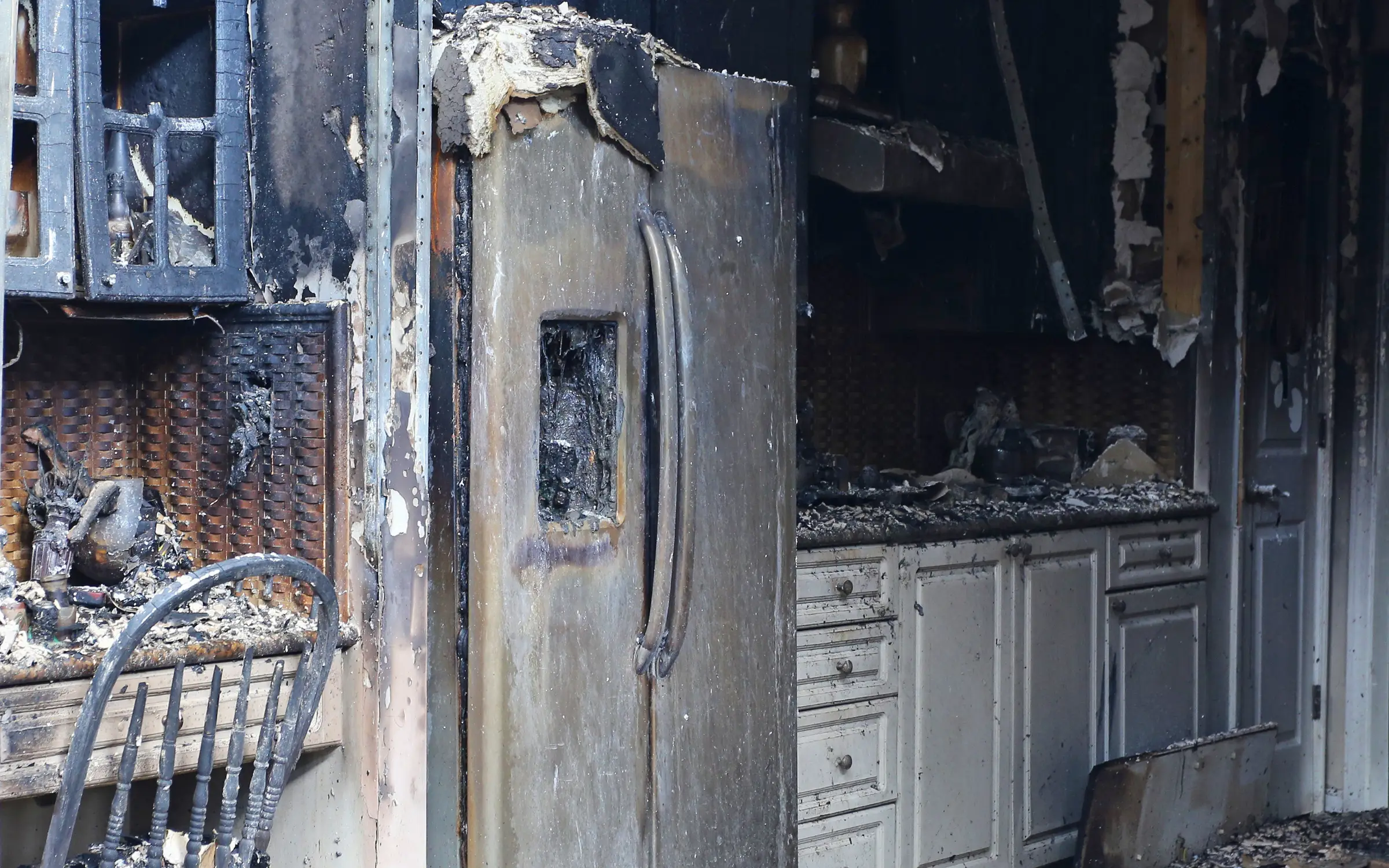
After a house fire, most people look first at what burned. That makes sense. Charred cabinets, melted fixtures, scorched drywall, and damaged flooring are hard to miss.
But smoke can be the sneaky part of the mess.
Fire damage and smoke damage often happen together, but they are not the same. Fire damage is usually tied to flames and heat. Smoke damage can travel into nearby rooms, closets, vents, contents, and materials that never had direct flame contact. A complete fire damage restoration plan should look at both.
What Is Fire Damage?
Fire damage is the direct damage caused by flames, heat, and combustion.
That may include burned framing, charred drywall, damaged flooring, melted plastics, warped cabinets, scorched trim, broken windows, damaged roofing, or materials that are no longer safe to keep in place.
Fire damage can also create structural concerns. Even if only one area looks badly burned, heat may have affected nearby materials. Firefighting efforts can add another layer, with water soaking into walls, floors, ceilings, cabinets, and insulation.
In many cases, fire-damaged materials need to be removed before repairs can begin.
If flames or heat damaged part of your home, call Reyes so the area can be inspected before cleanup or repairs begin.
What Is Smoke Damage?
Smoke damage is caused by the particles, gases, soot, residue, and odor left behind after something burns.
It can show up as black, gray, yellow, or brown staining. It may leave a sticky film on cabinets, counters, walls, or contents. Sometimes it is obvious. Other times, the biggest clue is the smell.
Smoke can travel well beyond the room where the fire started. It may move through hallways, vents, stairwells, closets, wall gaps, and open doors. That means a bedroom or closet can have smoke damage even if the flames never came close.
During fire damage restoration, the smoke side of the loss needs its own inspection. If it gets missed, odor and staining can return after the visible repairs are done.
If your home smells smoky or has residue in rooms away from the fire, Reyes can help find how far the smoke traveled.
Why Smoke Damage Can Spread Farther Than Fire Damage
Fire stays where it burns. Smoke travels where the air takes it.
Warm smoke rises. Air currents pull it through openings. HVAC systems, if turned on, can move residue and odor into cleaner areas. Even closed doors do not always keep smoke out completely.
Smoke may spread through:
- Hallways
- Stairwells
- Vents and returns
- Closets
- Wall gaps
- Open doors
- Attics or upper levels
- Soft goods and contents
This is why a small kitchen fire can leave odor in rooms that look untouched. The flames may have been contained, but the smoke was not polite enough to stay put.
Before running fans or HVAC, call Reyes for guidance so smoke residue is not pushed into cleaner areas.
Soot Is Not Just Dirt
Soot looks like dirt, but it behaves differently.
Depending on what burned, soot can be dry and powdery, oily and sticky, acidic, or nearly invisible but still smelly. A wood or paper fire does not leave the same residue as a protein fire from cooking or a fire involving plastics and synthetic materials.
That matters because the wrong cleaning method can make the damage worse. Scrubbing can smear soot. Household cleaners can set stains. Wet cleaning the wrong residue can spread it across walls, cabinets, or ceilings.
Soot can affect painted surfaces, wood, upholstery, flooring, electronics, and personal belongings. It needs the right method for the material and the residue.
Do not wipe soot-covered walls or cabinets yet. If you are tempted to repaint quickly, read this first: can you paint over soot after a fire? Reyes can identify the residue and choose the right cleaning method.
Smoke Odor Is a Source Problem, Not a Scent Problem
Smoke odor is not solved by spraying something pleasant in the room.
That smell usually has a source. It may be sitting in carpet, clothing, upholstery, insulation, cabinets, contents, unfinished wood, or HVAC pathways. Sometimes odor hides in places that look clean.
Air fresheners, candles, and open windows may help for a little while, but they do not remove smoke residue. Paint can also trap odor if the surface underneath was not cleaned and prepared correctly.
Smoke odor removal may require cleaning, removing damaged materials, deodorizing contents, or sealing surfaces after proper prep. It can affect belongings too, which is why homeowners often ask what items can be salvaged after fire or smoke damage.
If smoke smell keeps coming back, Reyes can help locate and treat the source instead of just covering it up.
Fire Damage and Smoke Damage Often Need Different Cleanup Methods
Fire-damaged materials may need removal. Smoke-damaged materials may be cleanable. Water-damaged materials may need drying before anything else happens.
That is why the first walkthrough matters. A professional inspection is the first part of what restoration companies do after a fire.
A restoration team looks at what burned, what got wet, what has soot, what has odor, and what can realistically be saved. Some surfaces need dry cleaning. Others need wet cleaning. Some contents may need pack-out and storage. Some materials need to be documented and removed.
Home fire losses are common enough that homeowners should know the difference. The U.S. Fire Administration reported 344,600 residential building fires in 2023. Source: U.S. Fire Administration residential fire statistics.
Professional fire damage restoration helps avoid two expensive mistakes: removing materials that could have been cleaned, or covering up smoke damage that should have been treated first.
Reyes can help determine what needs removal, what can be cleaned, and what should be documented for insurance.
How to Tell If You Have Smoke Damage
Smoke damage is not always dramatic. Sometimes it looks like a film. Sometimes it smells worse than it looks.
Common signs include:
- Persistent smoky odor
- Gray, black, yellow, or brown residue
- Staining near ceilings, corners, or vents
- Sticky film on cabinets or counters
- Odor in closets or fabrics
- Discoloration on contents
- Soot on HVAC registers
- Irritation when spending time inside
If you notice these signs after a fire, do not assume normal cleaning will handle it. Smoke residue can spread or set into materials when treated the wrong way.
If you notice these signs after a fire, schedule a professional inspection before cleaning or painting.
What Homeowners Should Avoid After Smoke or Fire Damage
A few quick “don’ts” can save a lot of trouble later.
Avoid:
- Re-entering before the home is cleared
- Wiping soot from walls or cabinets
- Running HVAC
- Using fans to air out affected rooms
- Painting over smoke stains
- Washing smoke-damaged clothing with regular laundry
- Turning on affected electronics
- Throwing away contents before documentation
It is natural to want to start cleaning. But after smoke or fire damage, the wrong first move can make the job harder.
Not sure what is safe to touch? Call Reyes before guessing. It is usually cheaper than undoing a bad cleanup attempt.
Both Types of Damage Need the Right Plan
Fire damage is the direct damage from flames and heat. Smoke damage is the residue, staining, odor, and contamination that can spread beyond the burned area.
A small fire can still create a serious smoke problem. A room with no flames can still need cleaning. And a house that looks “not too bad” can still have odor hiding in materials and contents.
Reyes Restoration handles fire damage restoration in Maryland and Washington, DC, including soot cleanup, smoke odor removal, contents handling, water mitigation, board-up, and repair planning.
Call Reyes Restoration now to talk with a real restoration professional. Prefer to start online? Submit a loss and upload photos if available.
Need more information? This guide walks you through the entire fire damage restoration process.
Reyes Restoration is one of the most trusted names in restoration in central Maryland including Baltimore, Annapolis and Washington DC.
Specializing in water & fire damage restoration, mold remediation, and reconstruction, we leave clients across Maryland and the DMV in a better position than before the loss.
Call 410-412-8457 and speak to a technician today!