
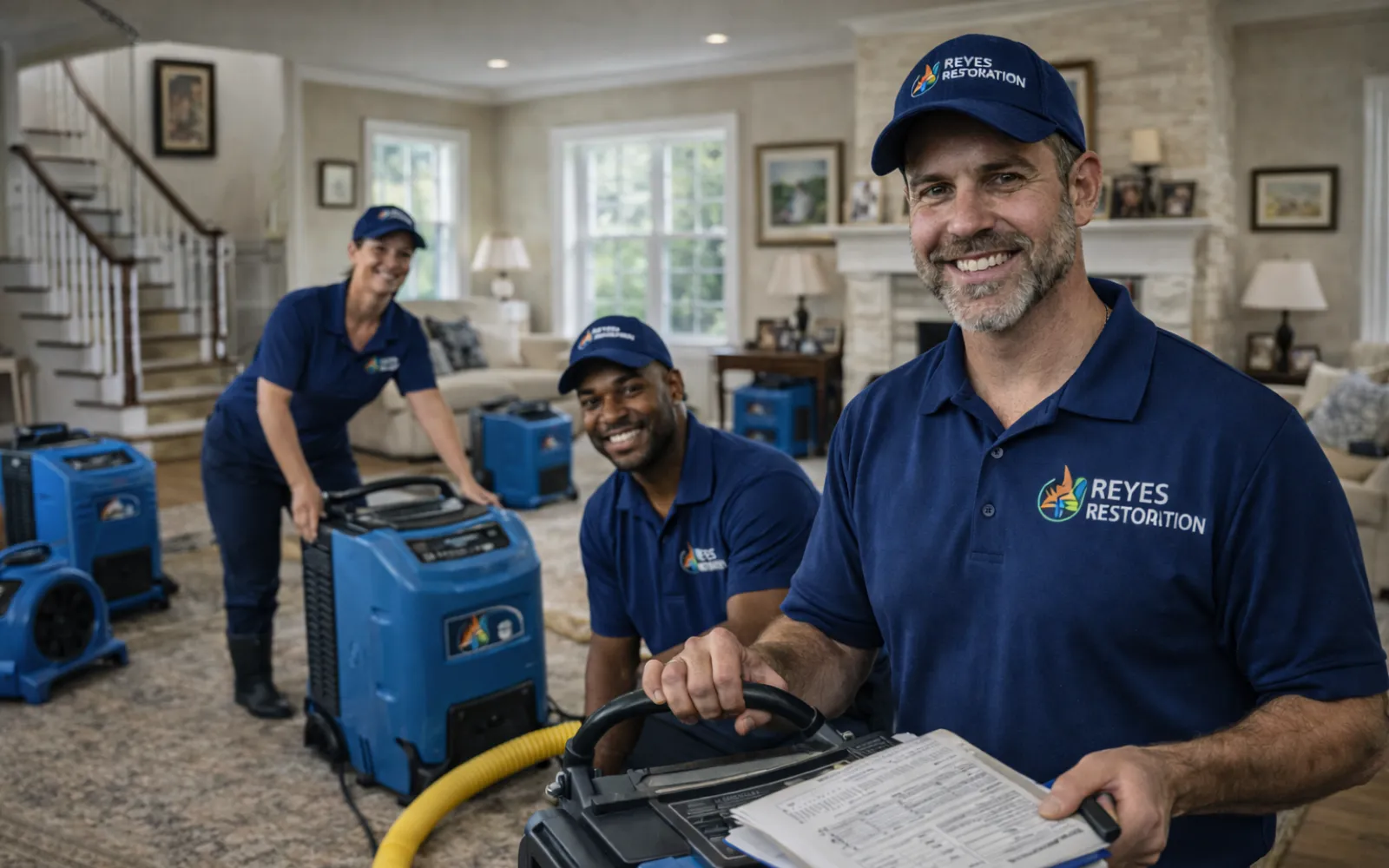
What to Do After Property Damage: A Step-by-Step Guide
Property damage doesn’t exactly wait for a convenient time. It’s usually a pipe, storm, fire, backup, or leak showing up right when you’ve got work, kids, dinner, bills, or all of the above happening at once.
And in that first hour, it’s easy to freeze.
Is it safe to stay here? Should I call insurance first? Do I clean this up? Is that water under the flooring? Is mold going to start?
Take a breath. You don’t need to solve everything at once. You just need to move in the right order.
This guide walks you through what to do after property damage, especially when water is involved. Fast, careful water damage restoration can make a real difference in how much damage spreads, how smooth the claim process feels, when to call a restoration company and how quickly your home starts feeling like home again.
1. Start With Safety Before You Touch Anything
Before photos. Before towels. Before moving furniture. Before calling your cousin who “knows a guy.”
Make sure everyone’s safe. That’s the no. 1 thing in the first 24 hours.
If there’s active fire, heavy smoke, electrical danger, structural damage, sewage, contaminated water, or a ceiling that looks ready to come down, step away from the area. Get people and pets out first. Property can be repaired. People can’t be replaced.
Water damage restoration often starts with a safety check because water rarely stays polite. It runs under floors, behind walls, into outlets, and through ceilings. What looks like “just a wet room” may involve electricity, weakened materials, or contamination.
According to the Insurance Information Institute, water damage and freezing was one of the most common homeowners insurance claim types from 2019–2023, affecting about 1 in 67 insured homes:
https://www.iii.org/fact-statistic/facts-statistics-homeowners-and-renters-insurance

A few first moves, only if safe:
- Shut off the water source.
- Turn off electricity to affected areas if you can do it safely.
- Avoid walking through standing water.
- Stay out of rooms with sagging ceilings.
- Don’t re-enter after a fire until officials say it’s safe.
- Keep kids and pets away from affected rooms.
This is one of those moments where “I’ll just take a quick look” can become a bad idea fast. Standing water, wet wiring, unstable drywall, smoke residue, and contaminated water aren’t things to play around with.
Call Reyes Restoration if you’re unsure whether the home is safe to enter. A quick call can help you avoid taking the wrong first step.
2. Stop the Damage From Spreading
Once everyone’s safe, the next job is simple: stop things from getting worse.
That’s mitigation. Not the prettiest word, but it matters.
Mitigation means stabilizing the property before full repairs begin. In water damage restoration, that may include extracting standing water, removing wet materials, setting drying equipment, checking hidden moisture, and controlling humidity.
After a storm or fire, mitigation may mean board-up, tarping, debris removal, smoke cleanup, or temporary protection. The goal is the same: protect the property from additional damage while the next steps get sorted out.
Water is sneaky. It can move beneath vinyl plank, soak carpet padding, wick into drywall, settle behind cabinets, and sit under baseboards long after the surface looks dry. That’s why hoping it dries on its own is risky.
The EPA notes that if wet or damp materials are dried within 24–48 hours after a leak or spill, mold will usually not grow:
https://www.epa.gov/mold/brief-guide-mold-moisture-and-your-home
That doesn’t mean every wet home turns into a mold job. It means time matters.
A professional water damage restoration team looks beyond the puddle. They’ll check where the water started, where it traveled, what materials are affected, and whether hidden moisture is sitting where you can’t see it.
That matters because the part you see is rarely the whole story. A wet carpet may also mean wet padding. A ceiling stain may mean water sitting above drywall. A damp cabinet toe-kick may mean moisture trapped behind it.
For active water damage, call Reyes now. The sooner drying starts, the better chance you have of limiting damage and mold risk.
3. Document the Damage Before Cleanup Gets Too Far
This part feels annoying when you’re standing in a mess, but it’s important.
Before you throw things away or start moving everything into trash bags, take photos and videos. You don’t need a professional camera. Your phone is fine.
Get wide shots of each affected room. Then get close-ups of wet floors, stained ceilings, damaged walls, soaked belongings, smoke residue, broken windows, storm openings, and anything that shows the source of the damage.
FEMA recommends taking photos and videos of structural and personal property damage before discarding items:
https://www.fema.gov/press-release/20250416/how-document-damages-after-severe-weather-events
For water damage restoration, good documentation may include:
- Where the water started
- How far it spread
- What rooms were affected
- Flooring, drywall, trim, cabinets, and ceilings
- Damaged contents
- Any emergency work performed
- Receipts for supplies, lodging, cleanup, or repairs

Don’t worry about making it perfect. Just be thorough. Walk slowly through the home and record what you see. Narrate the video if it helps: “This is the hallway outside the bathroom. The water ran into the bedroom. The baseboards are wet here.”
Save everything in one folder. Photos, videos, receipts, claim number, adjuster information, restoration paperwork, notes from phone calls — keep it all together. Future you will appreciate it.
Restoration documentation matters too. Moisture readings, photos, drying logs, and affected-area notes can help show what was done and why.
Before cleanup gets too far, call Reyes and ask what to photograph. You can also send photos or video to help the team understand what happened.
4. Call the Right People in the Right Order
This is one of the biggest questions homeowners have:
Should I call insurance first, or should I call a restoration company first?
The honest answer is: it depends on what’s happening.
If there’s a life safety issue, call emergency services first. Fire, injury, gas smell, electrical hazard, structural collapse — don’t overthink it.
If there’s active water damage, call a restoration company quickly. Water damage restoration is time-sensitive, and waiting around for a claim number while water keeps moving isn’t doing your house any favors.
Then contact your insurance carrier to open the claim and understand your coverage. Your policy decides what’s covered. A restoration company doesn’t make that call, but a good one can document the damage, explain the scope, and communicate clearly through the process.
Here’s a simple way to think about it.
Call 911 first if:
There’s fire, injury, electrical danger, gas odor, major structural damage, or an unsafe condition.
Call restoration quickly if:
There’s active water, storm damage, smoke damage, board-up needs, wet materials, or suspected mold risk.
Call insurance once:
The immediate danger is handled, the damage is documented, and mitigation is moving.
For emergency water damage restoration, work often needs to begin before there’s a neat, detailed estimate for every later repair. That’s because mitigation is about stopping damage now. The longer wet materials sit, the more complicated things can get.
Mold inspections or non-emergency assessments are different. Those may need a scheduled inspection, especially when there isn’t an active water loss happening in real time.
This is also where clear communication matters. A good restoration company should explain what they’re doing, why they’re doing it, and what you can expect next. No mystery theater. No restoration jargon parade.
Not sure who to call first? Call Reyes and we’ll help you sort the next move without making it more complicated than it needs to be.
5. Know What Not to Do After Property Damage
A lot of damage gets worse because people try to do the right thing with the wrong tools. We see some pretty common mistakes homeowners make after property damage.
That’s not a knock on homeowners. When your house is wet, smoky, or torn open by a storm, you want to fix something. Anything. But some moves can create bigger problems.
Avoid these common mistakes:
- Don’t wait a few days to “see what happens.”
- Don’t assume dry-looking surfaces are actually dry.
- Don’t paint over stains.
- Don’t spray bleach on a large mold problem and call it handled.
- Don’t run household fans across dirty water or suspected mold.
- Don’t throw damaged items away before documenting them.
- Don’t tear out materials too aggressively before the damage is assessed.
- Don’t ignore musty smells after a water loss.
- Don’t assume smoke odor will disappear on its own.
FEMA notes that mold and mildew can develop within 24–48 hours of water exposure:
https://www.fema.gov/pdf/rebuild/recover/fema_mold_brochure_english.pdf
That’s why professional water damage restoration isn’t just about removing visible water. It’s about finding where moisture traveled, drying the structure properly, and reducing the chance of secondary damage.
A wet room can look better before it’s actually better. The puddle may be gone, but the flooring could still be holding moisture. The drywall may look fine from the front while the back side is damp. That slightly musty smell may be the first sign something was missed.
Fire and smoke damage have their own traps too. Soot can be acidic. Smoke odor can settle into porous materials. Wiping the wrong surface with the wrong cleaner can smear residue or set stains. It’s frustrating, but it’s fixable when handled correctly.
If you’re about to start tearing things out, pause and call Reyes first. A quick conversation can save time, money, and claim headaches.
6. Understand What Restoration Actually Involves
Restoration isn’t one big magic trick. It’s a sequence.
First comes mitigation. Then comes restoration.
For water damage restoration, the process often includes inspection, water removal, moisture detection, drying, dehumidification, cleaning, sanitizing, and repairs. If materials can’t be saved, they may need to be removed and replaced. If belongings are affected, contents cleaning and storage may come into play.
Mitigation comes first
This is the “stop the bleeding” stage.
The goal is to stabilize the home and prevent additional damage. That may mean extracting water, removing saturated carpet pad, setting air movers and dehumidifiers, checking humidity, and monitoring moisture levels until the structure is dry.
This step isn’t just about speed. It’s about control. Controlled drying helps prevent missed moisture, unnecessary demolition, and mold-friendly conditions.
Restoration brings the property back
Once the home is dry and stable, repairs can begin. That may include drywall, trim, paint, flooring, cabinets, or reconstruction work.
Some jobs are straightforward. Others uncover more damage once wet materials are opened up. That’s not fun to hear, but it’s better to find it early than cover it up and deal with it again later.
Contents may need attention too
Furniture, clothing, documents, electronics, rugs, and personal items may need cleaning, drying, deodorizing, inventory, or storage.
This part can be emotional. It’s one thing to replace drywall. It’s another thing when the water reaches family photos, keepsakes, or the chair your kid always curls up in. A careful restoration process treats belongings as part of the home, not an afterthought.
Fire and smoke damage follow a different path, but the idea is similar: assess, stabilize, clean, remove odor, repair, and restore.
Call Reyes Restoration to get a clear walkthrough of what needs to happen now, what can wait, and what it may take to get your home back to normal.
7. Make a Simple Recovery Plan for the Next Few Days
After the first calls are made and mitigation starts, the next few days can feel like a blur.
There may be equipment running. An adjuster may need photos or access. You may be deciding what can stay, what needs cleaning, and whether parts of the home are usable.
This is where a simple plan helps.
Create one folder for the whole loss. Digital is fine. Paper is fine. Both is better if you’re organized like that.
Keep:
- Photos and videos
- Claim number
- Insurance contact information
- Restoration company information
- Receipts
- Notes from calls
- Drying or mitigation documents
- Inventory of damaged items
- Temporary lodging or repair receipts
Ask clear questions as you go:
- Which rooms are safe to use?
- Should the HVAC stay on or off?
- Can kids and pets be near this area?
- How long will drying equipment run?
- What materials are being removed and why?
- What needs to happen before repairs begin?
- What should I send to insurance?
Don’t unplug drying equipment unless the restoration team tells you to. It may be loud. It may be annoying. It may turn your hallway into a wind tunnel. But it’s there for a reason.
And give yourself a little room here. Property damage is stressful. Nobody expects you to know every term, every form, or every next step.
That’s why having a restoration team that explains things plainly matters.
Need help making sense of the next few days? Call Reyes and talk to a real restoration professional today.
Conclusion: Move Quickly, But Don’t Panic
After property damage, the order matters.
Start with safety. Stop the source if you can. Document the damage. Call restoration help early, especially for water damage restoration. Contact insurance. Keep records. Let trained professionals assess what’s wet, damaged, unsafe, or at risk for mold.
You don’t have to figure it all out while standing in a soaked hallway or staring at smoke-stained walls.
Reyes Restoration helps homeowners with water damage, fire and smoke damage, mold remediation, board-up, tarping, contents cleaning, and reconstruction. The goal isn’t just to dry materials or repair walls. It’s to help you feel steady again.
Call Reyes Restoration now for emergency property damage help. You can also submit a loss online and include photos or video so the team can start helping you faster.
Reyes Restoration is one of the most trusted names in restoration in central Maryland including Baltimore, Annapolis and Washington DC.
Specializing in water & fire damage restoration, mold remediation, and reconstruction, we leave clients across Maryland and the DMV in a better position than before the loss.
Call 410-412-8457 and speak to a technician today!