
Burst Pipe Water Damage: What Homeowners Should Do First
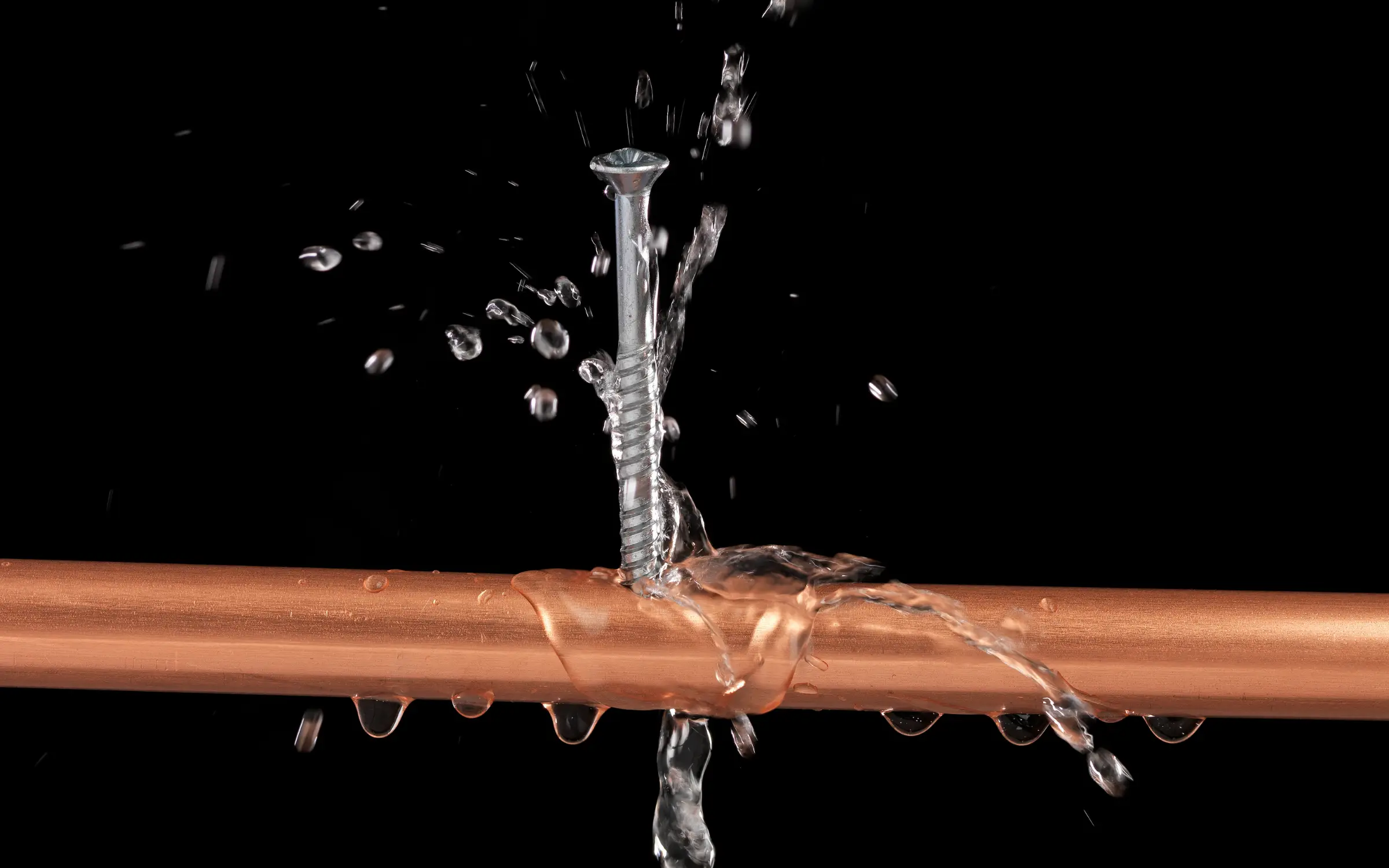
A burst pipe has a special way of turning a normal day into a wet little circus.
Water may be coming through the ceiling, spraying from a wall, soaking the basement, or spreading across the floor while everyone suddenly realizes they’re not 100% sure where the main water shutoff is. It happens.
The first priority is not the final repair. It’s safety, stopping the water if you can, documenting what happened, and getting the affected areas dried properly. Even clean water from a pipe can damage drywall, insulation, flooring, cabinets, ceilings, trim, and belongings faster than most homeowners expect.
For the full recovery process, start with our complete guide to water damage restoration. Here’s what to do first when a burst pipe damages your home.
First, Make Sure the Area Is Safe
Before you rush into standing water, pause for a second. Water and electricity are not a cute combination.
If water is near outlets, breaker panels, appliances, extension cords, ceiling fixtures, or sagging drywall, keep your distance. Wet ceilings can also be unstable, especially if water is pooling above the drywall. A bulging ceiling is not something to poke “just to see.” That’s how a bad afternoon becomes a very soggy one.
Keep kids and pets away from affected areas. If the water source is unknown, or if there’s any chance the water is contaminated, avoid walking through it until it’s assessed.
A few things not to do:
- Don’t turn on wet lights or ceiling fans.
- Don’t touch electrical devices while standing in water.
- Don’t use a household vacuum on standing water.
- Don’t stand under a sagging ceiling.
- Don’t enter an area that feels unsafe just to rescue a cardboard box.
If there’s a serious electrical concern, call the utility company, an electrician, or emergency services as appropriate.
For more safety guidance, read is it safe to stay in a home after water or fire damage. If the water source is unclear, review the categories and classes of water damage.
If the area looks unsafe, don’t play hero in wet socks. Call Reyes Restoration and we’ll help you figure out the safest next step before cleanup starts.
Stop the Water Source If You Can Do It Safely
The fastest way to reduce burst pipe water damage is to stop more water from entering the home. Safety still comes first, but if you can reach the shutoff without stepping into a hazard, do it.
Start with the closest shutoff valve if the leak is isolated. Under sinks, behind toilets, near appliances, or by fixtures, you may find a valve that stops water to that specific line. If water is spraying, pouring through a ceiling, or you’re not sure where it’s coming from, turn off the main water shutoff to the home.
After the water is off, opening a lower-level faucet can help drain pressure from the line. Avoid using affected plumbing until the pipe is repaired.
This is also where homeowners often need both a plumber and a restoration company. A plumber repairs the pipe. A restoration company handles the water damage: extraction, drying, material removal when needed, moisture checks, and repair planning. Nice when everyone stays in their lane.
This difference is similar to water mitigation vs. water damage restoration. For urgent first steps beyond burst pipes, read what should you do immediately after water damage.
Once the water is shut off — or if you can’t safely shut it off — call Reyes. We’ll help stop the damage from spreading while the pipe repair gets handled.
Document the Damage Before Things Start Moving Around
Documentation helps everyone understand what happened: you, the restoration crew, and your insurance carrier if a claim is involved.
Take photos and videos from a safe distance before things get moved around. Don’t delay emergency mitigation just to stage the perfect shot. This isn’t a magazine spread. It’s a wet hallway.
Try to document:
- The burst pipe or suspected source
- Standing water
- Wet flooring, walls, ceilings, cabinets, and baseboards
- Damaged furniture or belongings
- Water dripping through ceilings or around fixtures
- The date and approximate time you discovered the damage
- Steps already taken, such as shutting off the water
You can also text or upload photos to Reyes to help with triage. Photos are useful, but they don’t always replace an on-site inspection. Moisture can hide behind materials that look perfectly innocent.
For insurance questions, read is water damage covered by homeowners insurance. For cost planning, see how much water damage restoration costs.
Take safe photos, then call Reyes Restoration. We’ll help document the loss and get the cleanup moving without turning paperwork into a delay.
Start Protecting Belongings — But Don’t Tear the House Apart
Once the area is safe and the water source is controlled, it’s okay to protect what you can. The key is not to start demolition before the damage is inspected.
Usually safe to do if conditions are safe:
- Move dry items away from the wet area.
- Lift curtains, blankets, or fabric away from wet floors.
- Remove small valuables from nearby surfaces.
- Open closet doors near affected areas for inspection access.
- Place foil or blocks under furniture legs if available.
Better to wait for professionals:
- Pulling up carpet and pad
- Cutting drywall
- Removing baseboards or cabinets
- Using fans on questionable water
- Walking through wet insulation, sewage, or stormwater
- Starting repairs before moisture readings
Moving the wrong materials can spread contamination, damage salvageable items, or make documentation harder. Also, wet materials can be heavier, weaker, and messier than they look. Water damage likes surprises. Most of them are annoying.
If you’re tempted to handle cleanup alone, read can you fix water damage yourself. If walls are wet, see do you need to remove drywall after water damage.
Move what’s safe, then pause. Call Reyes before you start cutting, pulling, or fan-blasting wet materials like the house owes you money.
Why Fast Drying Matters After a Burst Pipe
Burst pipes are common enough that insurers track water damage and freezing claims closely. The Insurance Information Institute reports that about one in 67 insured homes has a property damage claim caused by water damage or freezing each year, based on homeowners insurance data from 2019–2023.
That doesn’t mean every burst pipe turns into a major restoration project. It does mean water damage is a real risk, and speed matters.
Even when the pipe water starts clean, it can spread quickly into:
- Drywall
- Insulation
- Subflooring
- Hardwood or laminate flooring
- Carpet pad
- Baseboards and trim
- Cabinets
- Ceilings below the leak
- Adjacent rooms
Surface drying is not enough. A floor can look better while water remains underneath. A wall can feel dry while moisture sits behind baseboards. A ceiling stain can be the only visible clue that insulation above it is wet.
Professional drying uses extraction, air movers, dehumidifiers, and moisture readings to dry the affected structure. The goal is not to make the surface look okay for now. The goal is to get the home actually dry before repair work begins.
For the drying process, read how restoration companies dry out a house after water damage. For mold concerns, read can water damage cause mold.
A burst pipe can soak more than what you see. Call Reyes Restoration so we can check hidden moisture and start drying before the damage settles in.
What Reyes Restoration Does After a Burst Pipe
When you call Reyes, the first step is getting the basic facts: what happened, whether the water is still active, what rooms are affected, whether there’s standing water, and whether photos or video can help us understand the situation faster.
Once on site, we walk the affected areas, check visible damage, look for hidden moisture, and explain what needs to happen first. If there’s standing water, extraction comes early. If materials are saturated or unsafe to leave in place, we’ll explain what may need removal and why.
From there, we set drying equipment based on the moisture readings and affected materials. Air movers and dehumidifiers work together to move moisture out of wet materials and pull it from the air. The equipment may be loud, but at least it’s productive. We’ll take that over a quiet wall full of moisture any day.
Drying is monitored, not guessed. After the structure is dry, repair planning can begin: drywall, paint, flooring, trim, cabinets, or whatever the home needs to get back to normal.
For timing expectations, read how long does it take to repair water damage in a house.
When Reyes shows up, you’ll know what we found, what we’re doing, and why. Call now and we’ll get the drying plan started without making the process harder than it already is.
Will Insurance Cover Burst Pipe Water Damage?
Homeowners insurance often covers sudden and accidental water damage from a burst pipe, but coverage depends on the policy, the cause, and the circumstances.
A sudden pipe burst may be covered. A slow leak that went unaddressed for months may not be. Frozen pipe claims can also depend on whether reasonable steps were taken to maintain heat and protect the home. Your insurance carrier decides coverage based on your policy.
Reyes can help document the damage with photos, moisture readings, work notes, and a clear scope of what was affected. We don’t decide what your policy covers, and we won’t pretend otherwise.
For a fuller breakdown, read is water damage covered by homeowners insurance. If the damage sat unnoticed, read what happens if water damage is left untreated.
If you’re calling insurance and staring at wet flooring, call Reyes too. We’ll focus on stopping the damage and documenting what happened while your carrier reviews coverage.
What Not to Do After a Burst Pipe
A few common mistakes can make a burst pipe loss messier than it needs to be.
Don’t wait overnight to “see if it dries.” Don’t run household fans on questionable water. Don’t turn on ceiling fixtures below the leak. Don’t paint over stains before moisture is checked. Don’t reinstall flooring or drywall too early. Don’t assume water stayed in one room. It rarely signs a lease and stays put.
Also, don’t throw away damaged materials before taking photos when insurance may be involved, unless safety requires removal.
For hidden spread, read hidden water damage. For repair decisions, see can water damage be repaired, or is it permanent.
The wrong first move can make a burst pipe loss messier. Call Reyes and we’ll help you avoid the greatest hits of water damage mistakes.
The Bottom Line
A burst pipe is stressful, but the next step can be simple.
Start with safety. Shut off the water if you can do it safely. Document the damage. Protect dry belongings. Then call a restoration company quickly for extraction, moisture checks, drying, and repair planning.
Burst pipe water can travel farther than it looks, especially into floors, walls, ceilings, cabinets, insulation, and adjoining rooms.
Call Reyes Restoration today, talk with a real tech, send photos if helpful, and let’s get the water damage under control before it spreads further.
Reyes Restoration is one of the most trusted names in restoration in central Maryland including Baltimore, Annapolis and Washington DC.
Specializing in water & fire damage restoration, mold remediation, and reconstruction, we leave clients across Maryland and the DMV in a better position than before the loss.
Call 410-412-8457 and speak to a technician today!