
What Happens During Reconstruction? A Step-by-Step Guide to Rebuilding After Damage
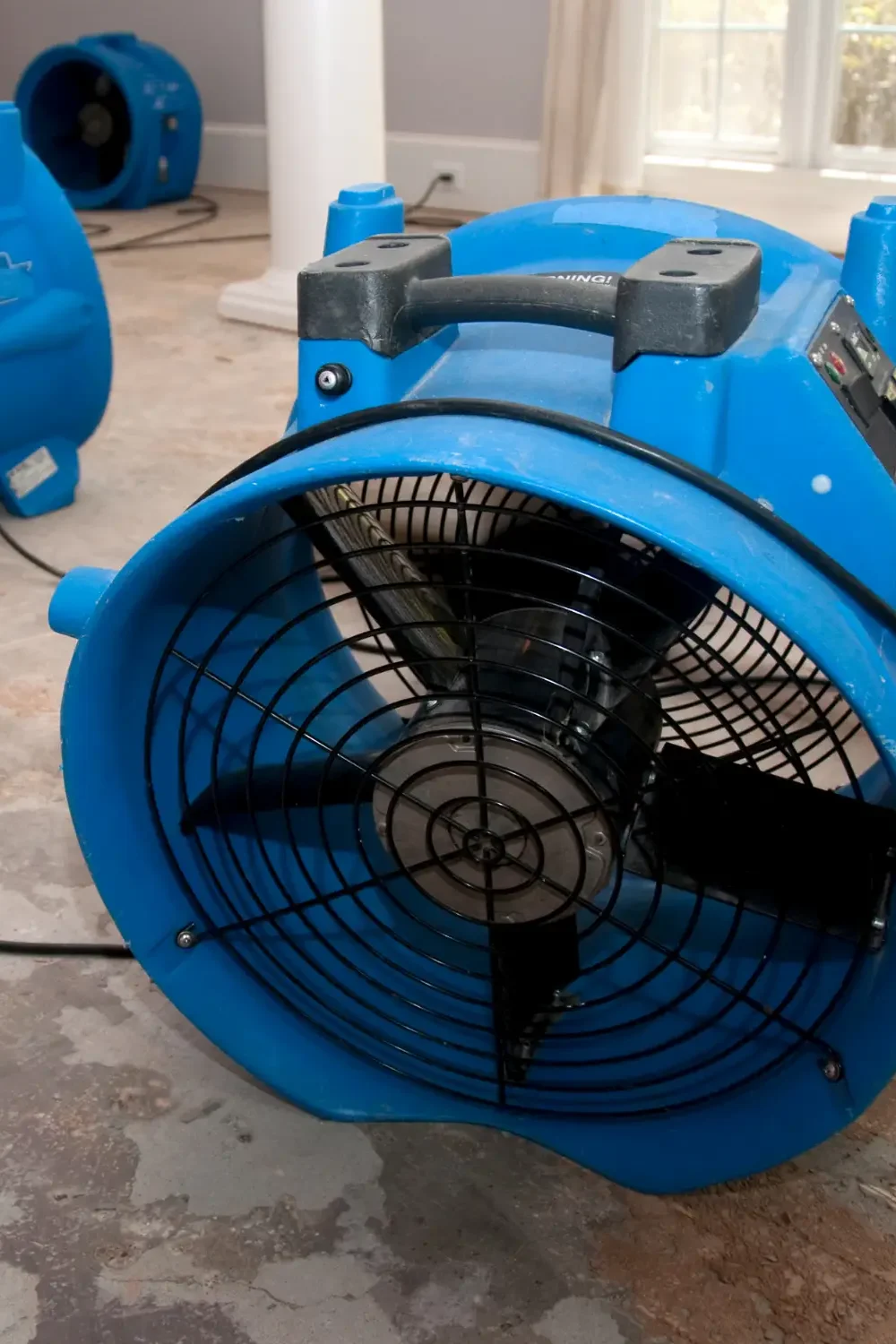
The fans are gone. The dehumidifier has stopped humming. Your house is finally quiet, and it’s also missing a few sections of drywall and possibly half a kitchen floor. Welcome to the in-between.
That in-between is where reconstruction begins. It’s the part of the job where everything removed during mitigation gets rebuilt, and it follows a sequence that’s a lot more deliberate than it looks from the couch. Knowing what gets rebuilt, and in what order, makes the process easier to follow and helps you ask better questions along the way.
If you’re not at this stage yet, start with the difference between water mitigation and water damage restoration, then come back.
Reconstruction Starts With a Scope of Work
Before anyone picks up a hammer, somebody has to write down exactly what’s being rebuilt. That’s the scope of work: which rooms are involved, which materials were removed, what’s being repaired versus replaced, and how the work will progress.
It’s also worth knowing what reconstruction is not. It isn’t remodeling. The goal isn’t upgrades or design trends. It’s putting your home back to pre-loss condition, correctly, safely, and to code. Our Repairs & Reconstruction page covers the full scope of what that can include.
If insurance is involved, this is where documentation earns its keep. Photos, moisture readings, and notes on what was removed and why help everyone agree on what the rebuild includes. Coverage depends on your policy and your carrier, but good records make the conversation easier. Our guide on how to document property damage for insurance is a good place to start.
Not sure what your scope of work should include? Call us and we’ll walk through it with you.
The Rebuild, Step by Step
Every loss is different, but reconstruction generally moves from the inside of the walls outward. Here’s the usual order, and why each step waits for the one before it.
1. Structure and Framing
If water, fire, or a storm affected framing, subfloors, or other structural elements, those get repaired first. Everything else sits on top of them, so nothing can be finished until they’re sound.
2. Insulation and Drywall
Once the framing is sound and the wall cavity is confirmed dry, new insulation goes in, followed by drywall. Then the drywall gets taped, finished, and sealed, which is more steps than it sounds like. If you’re wondering why a wall that looks nearly done stays “nearly done” for a few days, this is usually why.
For how the decision to take drywall out in the first place gets made, see our post on whether you need to remove drywall after water damage.
3. Paint
Primer and paint go on after the walls are finished. Painting too early, or over a surface that hasn’t been prepared properly, is how patches end up showing through. This is the step that makes a room look like a room again.
4. Flooring
Hardwood, laminate, tile, and other flooring affected by water or removal gets repaired or replaced. Carpet is its own conversation, because sometimes it can be saved and sometimes it can’t. We cover that in can wet carpet be saved after water damage or does it need to be replaced.
5. Trim, Cabinets, and Finishing Touches
Baseboards, trim, cabinets, built-ins, doors, and windows usually go back last, because they’re the most likely to get scuffed while the rough work happens. This is the stage where the house starts feeling like yours again.
Want to know what your rebuild would actually involve? Call Reyes and we’ll break it down for your home.
Why the Order Matters
Each trade depends on the one before it. Nobody wants to paint a wall that still needs a second coat of joint compound, or lay new flooring and then have a crew drag drywall across it. The sequence isn’t red tape. It keeps the work from having to be done twice.
The bigger reason is moisture. Closing up a wall that isn’t fully dry can trap water behind it, and that’s how a water problem turns into a mold problem a few weeks later, after the paint is fresh and everyone thought it was finished. That’s why repairs should wait until the structure is dry by measurement, not by touch. Our post on hidden water damage behind walls explains how easily water hides.
Surprises can also turn up once walls are opened. Water travels, and sometimes more saturated material is discovered during demolition. A good contractor tells you about it right away, explains what it means for the schedule, and updates the scope instead of quietly hoping you won’t notice.
Worried there’s more hiding behind your walls? Call us and we’ll check with real moisture readings, not a guess.
What About Fire and Storm Losses?
Fire, smoke, and storm losses follow the same basic logic, but the job is usually bigger. A fire can mean more demolition, more cleaning, and more to rebuild. Storm damage can reach roofs, siding, windows, and interiors, so exterior repairs often become part of the plan.
Smoke and soot also have to be dealt with before the finishing steps, since covering them up is a shortcut that tends to backfire. If you’re tempted, read can you paint over soot after a fire first. And because fire losses vary so much, our post on how long fire damage restoration takes explains what drives the timeline.
One more thing that’s easy to forget: your belongings. If they’re out of the house while work happens, see what happens to your belongings during pack-out and secure storage so you know when they come back.
How Long Does Reconstruction Take?
It depends on scope, and that’s the honest answer. For an average single-room water loss, repairs often take about a week once approved. Bigger jobs, like multiple rooms, subfloor repairs, cabinet removal, or insulation replacement, take longer, and a slow leak behind cabinets can mean several weeks.
As Jamar puts it:
“Once insurance approves it, repairs usually take about a week for an average water loss.”
Jamar Hinton
A few things can stretch the schedule: insurance approvals, special-order materials, cabinet or countertop lead times, and flooring availability. None of them are unusual, and knowing about them up front takes most of the sting out. For the full breakdown, see how long it takes to repair water damage in a house.
Want a realistic timeline for your home? Call Reyes, tell us what happened, and we’ll give you a straight answer.
Questions to Ask Before the First Repair
Whoever does the rebuild, these questions will tell you a lot:
- Has the structure been documented as dry, and can I see the readings?
- What exactly is in the scope of work, and what isn’t?
- Which materials are being repaired and which are being replaced?
- In what order will the work happen, and why?
- What’s the realistic timeline, and what could change it?
- What happens if more hidden damage turns up once a wall is opened?
- Who is my point of contact if I have questions mid-project?
A contractor who answers these plainly before the first repair begins is usually one who communicates clearly for the rest of the job too.
The Bottom Line
Reconstruction puts your home back together, and it works from the inside out: structure, insulation and drywall, paint, flooring, then trim and finishing touches. The order isn’t arbitrary. Every step protects the one that follows, and skipping ahead is how people end up paying for the same repair twice.
If your home is in the messy middle right now, with walls open and no clear picture of what comes next, you don’t have to figure it out alone. Reyes handles the entire process, from emergency response through final repairs, so you’re not starting over with a new company for the rebuild.
Ready to talk about the rebuild? Call Reyes Restoration, send photos if it helps, and we’ll explain what happens next and help you move forward with confidence.
Reyes Restoration is one of the most trusted names in restoration in central Maryland including Baltimore, Annapolis and Washington DC.
Specializing in water & fire damage restoration, mold remediation, and reconstruction, we leave clients across Maryland and the DMV in a better position than before the loss.
Call 410-412-8457 and speak to a technician today!