
Why Do People Wait to Call After Property Damage? (And What the Wait Actually Costs)
Here’s something restoration crews hear all the time: “We noticed it a few days ago, but we figured it would
Here’s something restoration crews hear all the time: “We noticed it a few days ago, but we figured it would
Most people have never called a restoration company before, and it shows in the first thirty seconds. They apologize for
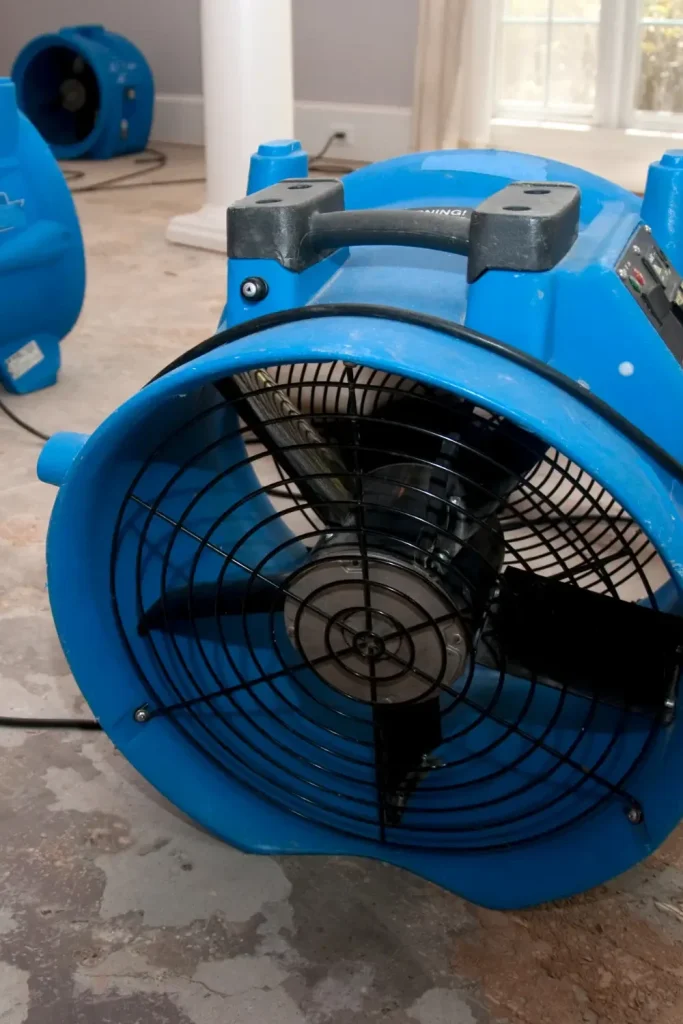
When water damages your home, the first question is usually simple: what happens now? The answer depends on whether your home needs water mitigation, water damage restoration, or both. Mitigation is the urgent work that stops the damage from spreading: extraction, drying, containment, and moisture checks. Restoration is the repair work that brings the home back to normal. This article explains the difference in plain English, what each service includes, why timing matters, and when to call a professional before a small wet spot turns into a bigger problem hiding behind the walls or under nearby flooring after a leak.
When water damages your home, the first question is usually simple: what happens now? The answer depends on whether your home needs water mitigation, water damage restoration, or both. Mitigation is the urgent work that stops the damage from spreading: extraction, drying, containment, and moisture checks. Restoration is the repair work that brings the home back to normal. This article explains the difference in plain English, what each service includes, why timing matters, and when to call a professional before a small wet spot turns into a bigger problem hiding behind the walls or under nearby flooring after a leak.
When water damages your home, the first question is usually simple: what happens now? The answer depends on whether your home needs water mitigation, water damage restoration, or both. Mitigation is the urgent work that stops the damage from spreading: extraction, drying, containment, and moisture checks. Restoration is the repair work that brings the home back to normal. This article explains the difference in plain English, what each service includes, why timing matters, and when to call a professional before a small wet spot turns into a bigger problem hiding behind the walls or under nearby flooring after a leak.
When water damages your home, the first question is usually simple: what happens now? The answer depends on whether your home needs water mitigation, water damage restoration, or both. Mitigation is the urgent work that stops the damage from spreading: extraction, drying, containment, and moisture checks. Restoration is the repair work that brings the home back to normal. This article explains the difference in plain English, what each service includes, why timing matters, and when to call a professional before a small wet spot turns into a bigger problem hiding behind the walls or under nearby flooring after a leak.
When water damages your home, the first question is usually simple: what happens now? The answer depends on whether your home needs water mitigation, water damage restoration, or both. Mitigation is the urgent work that stops the damage from spreading: extraction, drying, containment, and moisture checks. Restoration is the repair work that brings the home back to normal. This article explains the difference in plain English, what each service includes, why timing matters, and when to call a professional before a small wet spot turns into a bigger problem hiding behind the walls or under nearby flooring after a leak.
When water damages your home, the first question is usually simple: what happens now? The answer depends on whether your home needs water mitigation, water damage restoration, or both. Mitigation is the urgent work that stops the damage from spreading: extraction, drying, containment, and moisture checks. Restoration is the repair work that brings the home back to normal. This article explains the difference in plain English, what each service includes, why timing matters, and when to call a professional before a small wet spot turns into a bigger problem hiding behind the walls or under nearby flooring after a leak.
When water damages your home, the first question is usually simple: what happens now? The answer depends on whether your home needs water mitigation, water damage restoration, or both. Mitigation is the urgent work that stops the damage from spreading: extraction, drying, containment, and moisture checks. Restoration is the repair work that brings the home back to normal. This article explains the difference in plain English, what each service includes, why timing matters, and when to call a professional before a small wet spot turns into a bigger problem hiding behind the walls or under nearby flooring after a leak.