

Should You Call Insurance or a Restoration Company First?
After property damage, your brain starts opening too many tabs at once. Do I call insurance? Do I call a […]
After property damage, your brain starts opening too many tabs at once. Do I call insurance? Do I call a […]

When your home’s damaged, documentation probably isn’t the first thing on your mind. You’re looking at wet flooring, stained ceilings,
100-Word Excerpt
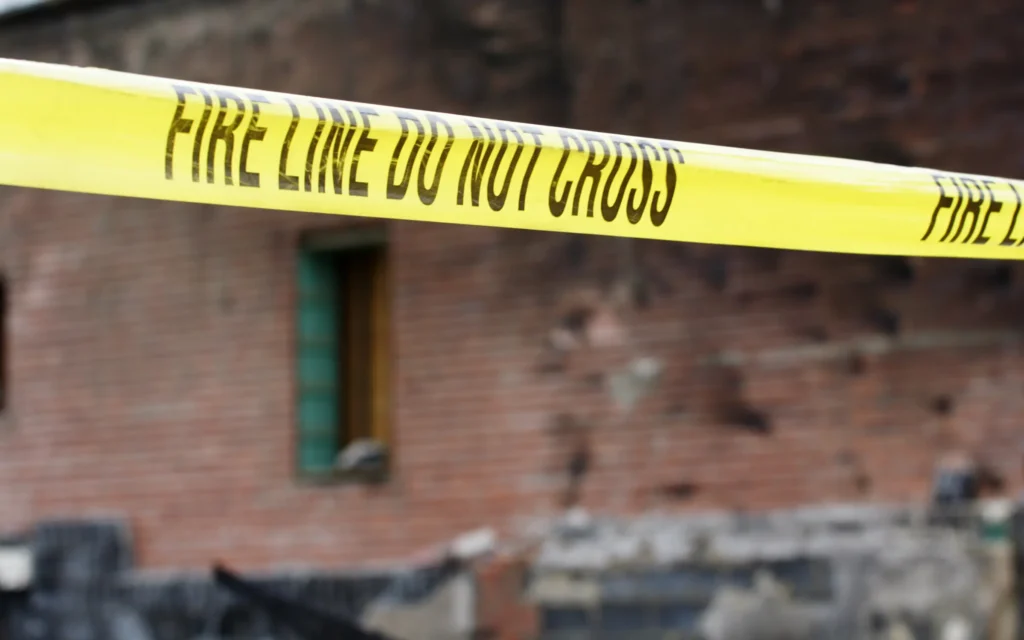
Homeowners insurance often covers sudden and accidental fire damage, but coverage depends on your policy, the cause of the fire, your limits, exclusions, and your insurance carrier’s review. A covered fire loss may include damage to the structure, smoke cleanup, odor removal, water damage from firefighting, damaged belongings, emergency board-up, and repairs. This guide explains what may be covered, what may not be, and what homeowners should document after a fire. Reyes Restoration helps homeowners in Maryland and Washington, DC with fire damage restoration, property cleanup, contents handling, and restoration documentation for insurance claims.
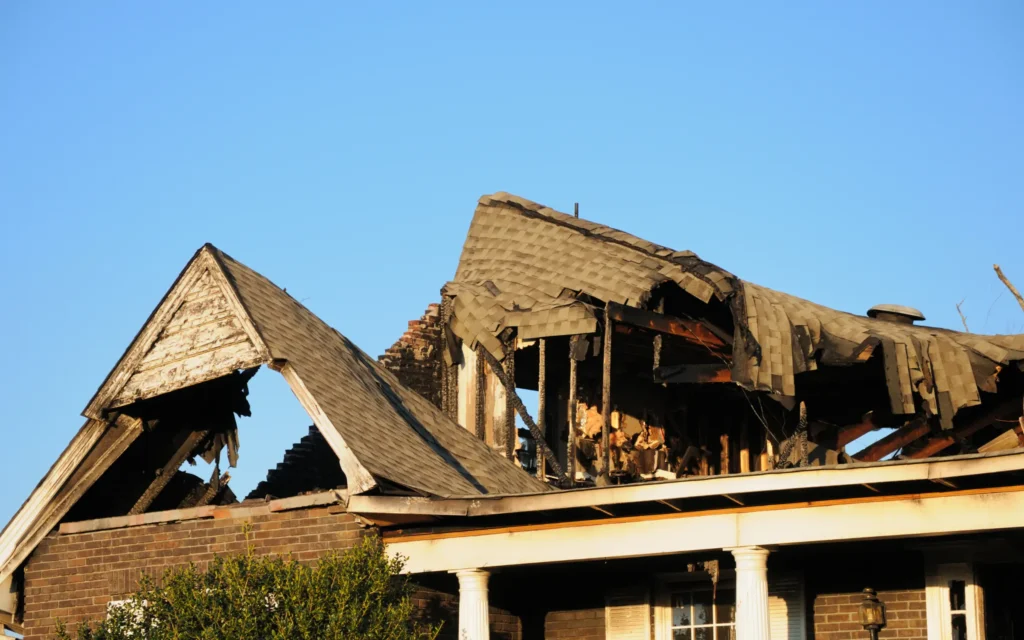
After a fire, cleanup is only one piece of getting your home back to normal. Smoke, soot, odor, water from firefighting, damaged materials, and affected belongings can all keep causing problems if they are not handled correctly. This guide explains how fire and smoke damage restoration works, from emergency board-up and soot removal to smoke odor treatment, contents cleaning, repair, reconstruction, and insurance documentation. Reyes Restoration helps homeowners throughout Maryland and Washington, DC stabilize the property, understand what needs to happen next, and move from damage to recovery with less confusion and more confidence.
Water damage is stressful. Insurance shouldn’t make it more confusing, but for most homeowners, it does. The first question is almost always, “Is this covered?” The answer is simple, even if the policy language isn’t: It depends on where the water came from. Learn all about it in this article.