
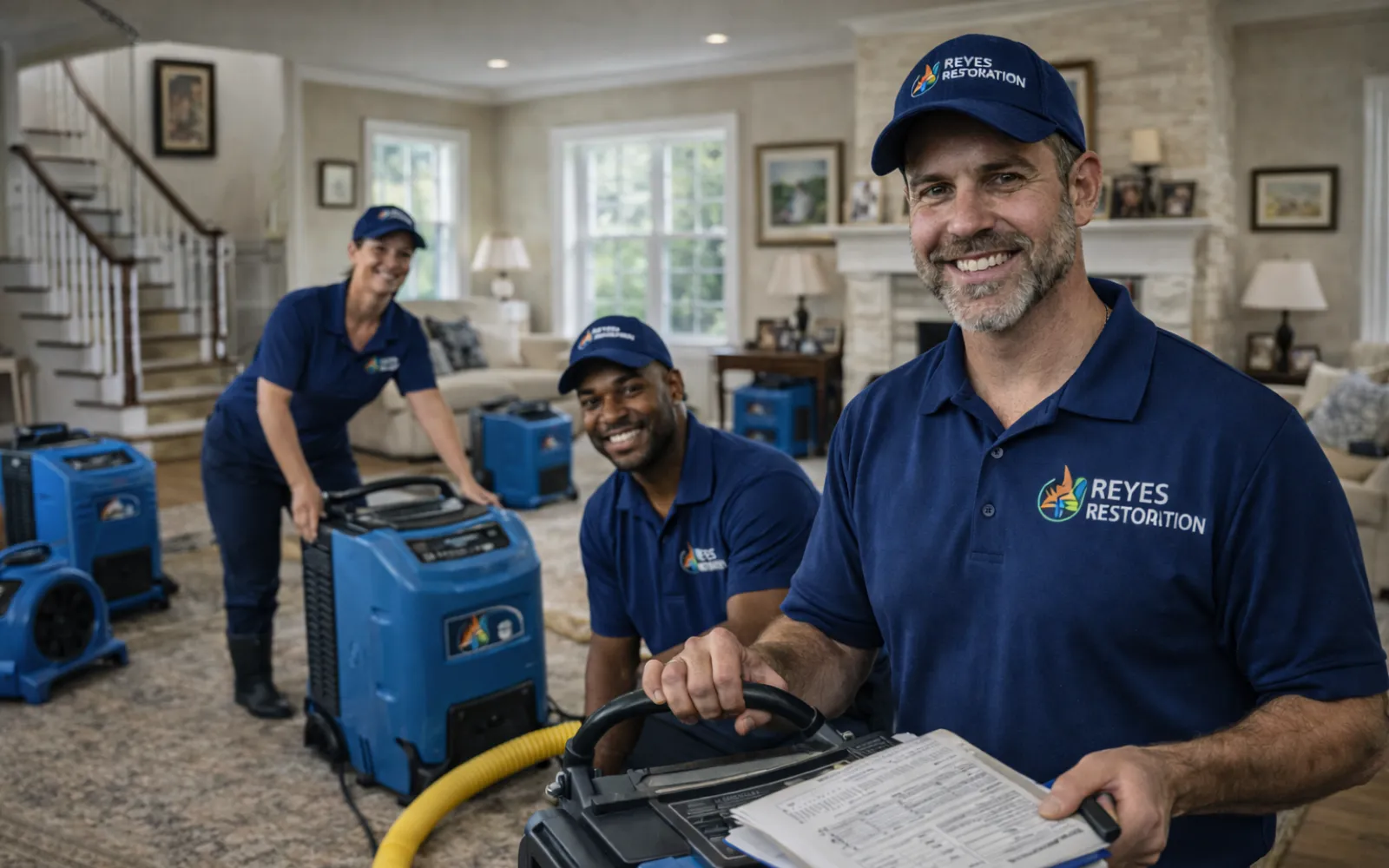
The complete guide to water damage restoration
Water has a way of finding the weak spot.
It could be the supply line under the sink, a washing machine hose that finally gives out, or a slow drip behind a wall that no one notices until the paint starts to bubble. Most homeowners don’t even think about water damage until they’re standing in it.
And by that point, unfortunately, the clock is already running.
Water damage restoration isn’t just about drying things out. It’s about acting quickly enough to prevent secondary damage like structural weakening, warped materials, and mold growth that can start faster than most people expect. According to the Insurance Information Institute, about 1 in 60 insured homes files a water damage or freezing claim each year, making it one of the most common homeowners insurance claims in the U.S.
That statistic often surprises people, but it shouldn’t. In Maryland especially (with plenty of homes with older plumbing, seasonal temperature swings, and heavy rains), we see it every week.
What matters most than the water ingress is what happens in the hours after.
“The first thing is identify the source and stop it. Then call a professional restoration company to assess the damage.”
Jamar Hinton
That’s the ‘steady’ part of this conversation. Not panic or worst-case scenarios. You need clear steps and honest expectations.
In this guide, we’re going to walk through:
- What actually matters in the first few hours
- How serious water damage really is (and when it isn’t)
- How Reyes Restoration’s water damage restoration process works from start to finish
- Why mold shows up so often after leaks
- How insurance plays into the decision
If you’re dealing with water damage right now, you don’t need drama or hype. Let’s start with what matters most in those first hours.
- What Actually Matters in the First Hours After Water Damage
- Can Water Damage Be Fixed Or Is It Permanent?
- How the Water Damage Restoration Process Actually Works
- Why Water Damage So Often Leads to Mold
- Insurance, Claims, and What Most Homeowners Don’t Know
- When Is Water Damage an Emergency And When Can It Wait?
- Conclusion: Act Early. Dry Properly. Restore Completely.
What Actually Matters in the First Hours After Water Damage
When a homeowner first discovers water water damage, there’s usually a moment of shock or disbelief. Then they wonder what they need to do NOW.
Maybe it’s that ceiling stain that wasn’t there yesterday. Maybe it’s standing water in the basement. Maybe it’s that unmistakable smell: of damp drywall and something just not right.
The instinct is either to panic… or to minimize it.
Neither helps.
The first few hours after water intrusion are where the real outcome is decided. Not weeks later during repairs. Not when the insurance adjuster shows up. Right now.
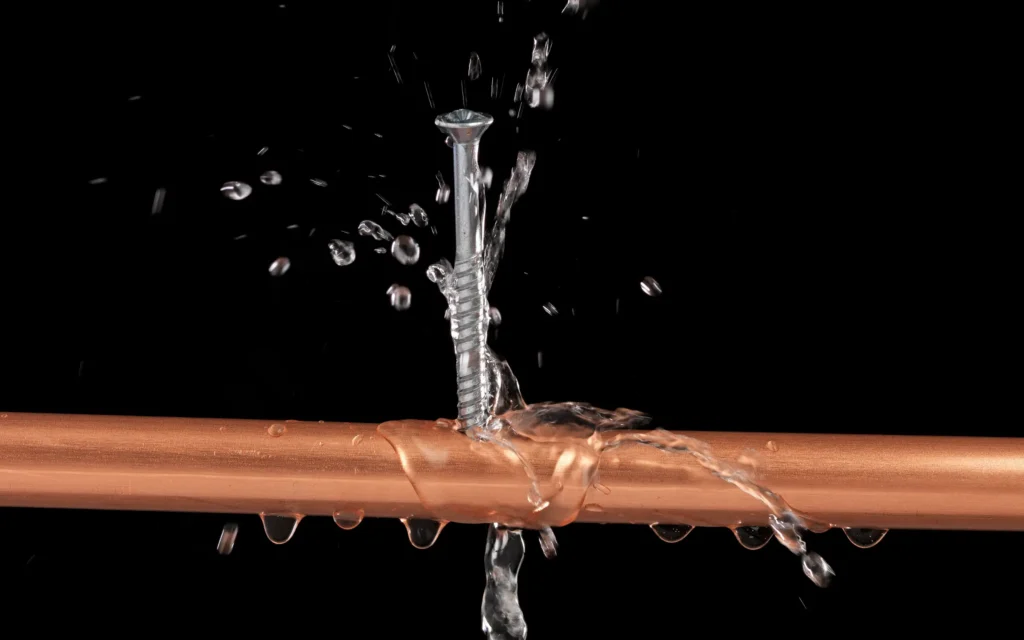
Stop the Source Safely
Before anything else, the water has to stop.
That might mean shutting off a supply valve under a sink or turning off the main water line to the house. In some cases, it’s as simple as tightening a connection. In others, it means calling a plumber immediately.
But safety always comes first.
“If your basement is flooded, you don’t want to just go down there. You can get electrocuted.”
Jamar Hinton
Water and electricity don’t negotiate. If there’s standing water and you’re unsure about wiring, outlets, or appliances, please don’t enter the space. Call for help.
We’ve seen homeowners try to wade through ankle-deep water with extension cords running. That’s not bravery, that’s foolishness, so don’t try to be a hero.
Don’t Confuse Surface Dry With Structural Dry
Here’s one of the most common first-day mistakes – a shopping list that reads: towels, shop vacs, a couple of box fans
It feels proactive and responsible. And if it’s for a very small spill on tile? Sure, that’s fine.
But when water has seeped into drywall, insulation, hardwood, subfloor, or framing, what you see on the surface isn’t the real issue.
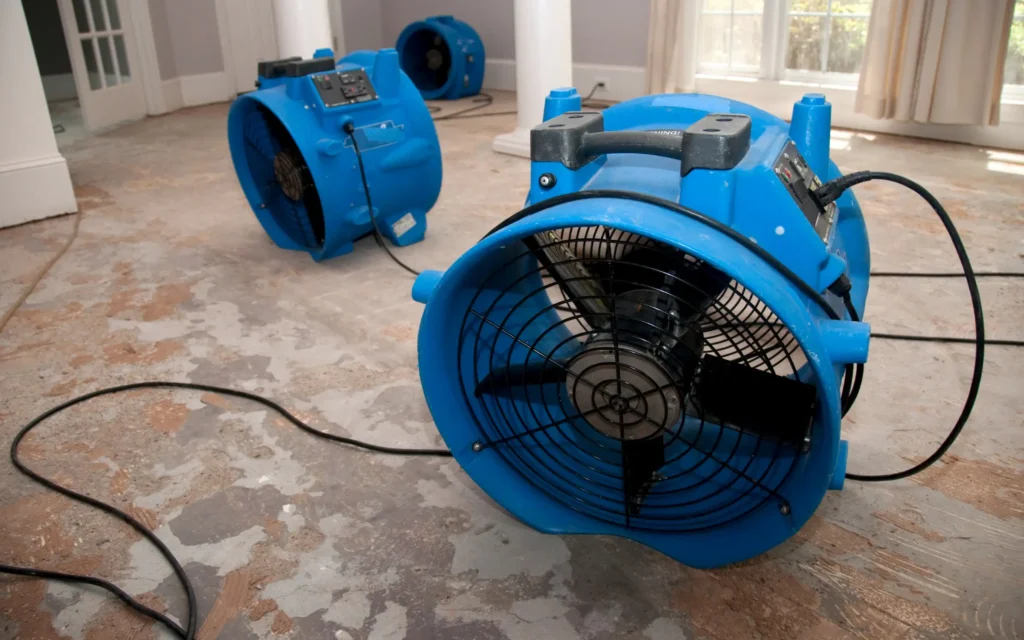
“A lot of times they think they can handle it themselves with towels… but they don’t have the equipment to properly dry it.”
Jamar Hinton
Professional water damage restoration relies on moisture meters, thermal imaging, commercial-grade air movers, and dehumidifiers designed to pull moisture out of materials, not just off the surface.
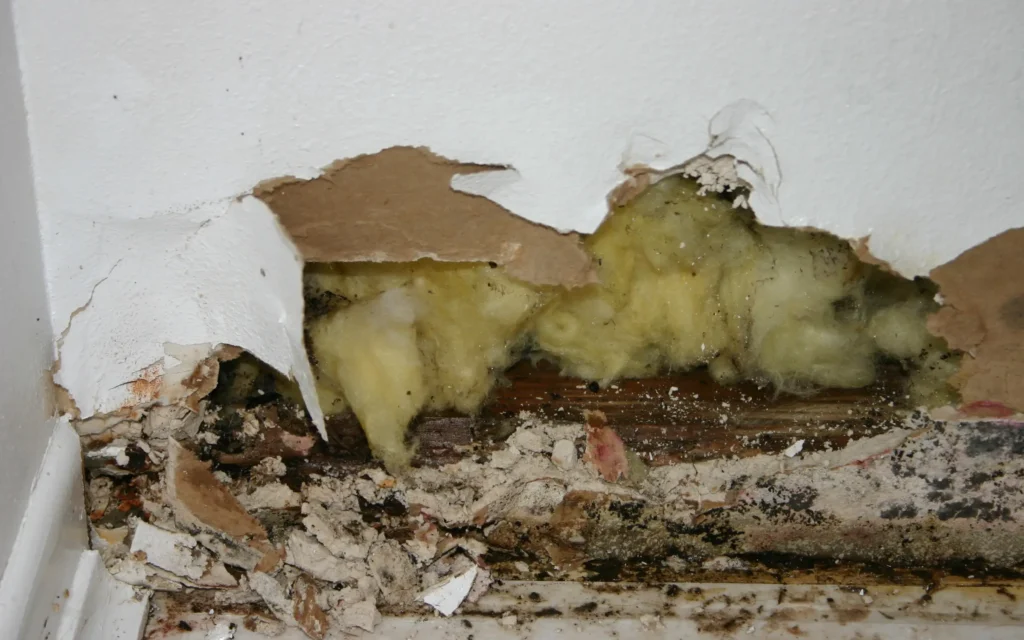
If moisture stays trapped behind walls, under floors or inside materials, it doesn’t just sit there quietly. It creates pressure, warping, deterioration, and eventually microbial growth.
According to the CDC, mold can begin growing within 24 to 48 hours in damp conditions. That window is shorter than most people expect, so it’s important to act fast.
Know What’s an Emergency
Not every water issue requires sirens. But some do.
Active water intrusion? Emergency.
Sewage backup? Immediate emergency.
Flooded basement with electrical risk? Emergency.
A small, dried ceiling stain from a one-time incident last week? That’s urgent, but not panic-level.
The mistake isn’t overreacting. It’s waiting.
“Time is very important.”
Jamar Hinton
Even if you’re unsure whether it’s major, a quick call can clarify things. Sometimes we walk homeowners through it and determine if it’s minor. Sometimes we catch something early that would have become much bigger in two days.
That’s the point of calling early: not because everything is catastrophic, but because water damage restoration works best when it starts before the damage spreads.
When in Doubt, Call
If you’re staring at water right now and wondering whether to wait until tomorrow, please don’t.
Call and talk to a real technician. Describe what you’re seeing. Send a photo if needed. The faster proper water damage restoration begins, the more materials we can preserve and the less invasive the repairs usually are.
You don’t have to guess your way through the first 24 hours.
Can Water Damage Be Fixed Or Is It Permanent?
This is one of the first questions we hear:
“Is this ruined?”
It’s usually asked while someone is staring at buckled flooring or a sagging ceiling, trying to calculate how bad this is about to get.
Here’s the steady answer.
“Water damage can always be fixed… it’s just a matter of how extensive the repairs are.”
Jamar Hinton
Water damage restoration isn’t about whether the damage can be repaired. It’s about how far the water traveled, how long it sat, and what materials were affected.
Surface Damage vs. Structural Damage
Not all water damage is equal.
- A supply line bursts and soaks drywall for an hour before being shut off? That’s typically localized.
- A slow leak behind cabinets that runs for months? That’s different.
Surface damage might mean:
- Replacing drywall sections
- Removing baseboards
- Drying hardwood
- Repainting
Structural damage can involve:
- Subfloor replacement
- Insulation removal
- Framing repairs
- Cabinet or vanity removal
And here’s the honest part most homeowners don’t hear elsewhere:
“We can’t tell the extent of damage until we start demo.”
Jamar Hinton
Drywall hides things. Cabinets hide things. Flooring hides things. Water moves downward and outward, and often farther than the visible stain suggests.
We’ve seen small leaks under kitchen sinks that looked harmless from the outside, but once cabinets were removed, the subfloor beneath had deteriorated significantly.
That doesn’t mean it’s always catastrophic, but because water travels quietly, apparently small jobs can sometimes turn into larger ones.
Why Demo Isn’t a Bad Word
Some homeowners fear demolition because it sounds like escalation. In reality, controlled removal is part of professional water damage restoration. If wet drywall isn’t removed when necessary, moisture stays trapped. That leads to: Warping , Odor, Microbial Growth and Structural weakening.
Selective demolition allows us to access wet cavities, dry structural components properly and ultimately prevent larger repairs later.
Done early, this often reduces the overall repair scope.
How Often Is It Worse Than Expected?
More often than you’d think, but not because we’re trying to find problems.
It’s because moisture doesn’t respect straight lines.
Water follows gravity. It wicks sideways through drywall. It soaks insulation like a sponge. It travels under flooring.
When we begin water damage restoration, we use moisture meters to determine saturation levels in materials you can’t see. Sometimes that confirms what’s visible, but sometimes it expands the drying area.
But most water damage situations are manageable when addressed early. The longer it’s left alone, the more invasive the repair becomes.
If You’re Unsure How Serious It Is
If you’re staring at damage and wondering whether this is cosmetic or structural, don’t guess.
Call and describe what you’re seeing. We’ll tell you plainly what’s likely surface-level and what might require deeper inspection.
Water damage restoration isn’t about worst-case assumptions. It’s about getting accurate information quickly so you can make a clear decision.
How the Water Damage Restoration Process Actually Works
Once the source is stopped and the area is safe, the next question is usually:
“What happens now?”
A lot of homeowners assume water damage restoration is just setting up a few fans and waiting. That’s part of it, but it’s not the whole picture.
The real process when done right is methodical, measured, and fully documented.
And done correctly, it prevents this from becoming a repeat issue.
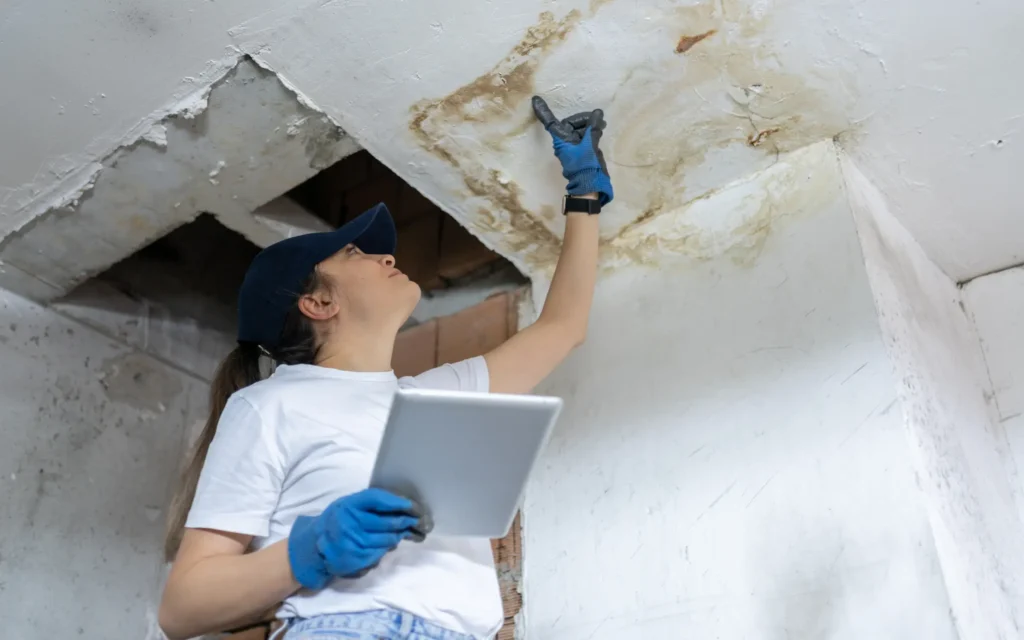
Step 1: Inspection and Moisture Mapping
We don’t guess. We measure.
The first step in professional water damage restoration is identifying how far the moisture has traveled. That includes:
- Moisture meter readings in drywall, flooring, and framing
- Checking insulation saturation
- Identifying category of water (clean, gray, or contaminated)
- Determining what materials can be dried vs. removed
Water rarely stays where you first see it. It migrates downward and outward. Moisture mapping tells us the real footprint.
Step 2: Controlled Removal (When Necessary)
If materials are too saturated or cannot be dried effectively, selective demolition is performed.
That might mean:
- Removing sections of drywall
- Pulling baseboards
- Lifting sections of flooring
- Detaching cabinets in severe cases
This isn’t aggressive demolition, although it can look and feel like it. It’s actually about gaining strategic access.
Opening affected areas allows airflow to reach structural components. Without that step, drying can stall and moisture can remain trapped.
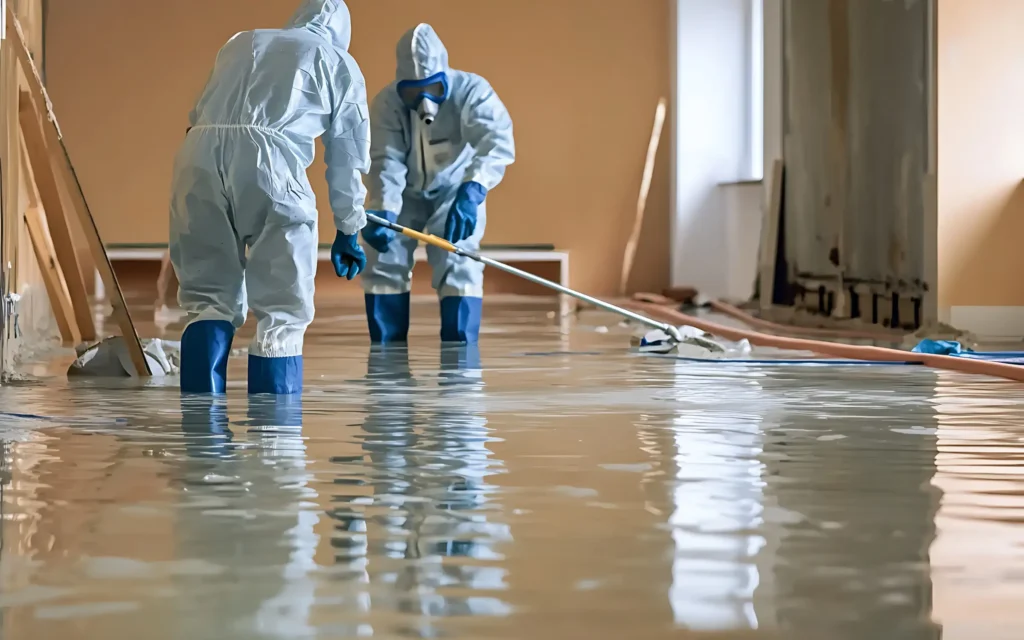
Step 3: Water Extraction
If standing water is present, extraction happens first.
Commercial-grade extractors remove bulk water quickly. The faster that’s done, the less saturation spreads into adjacent materials.
Speed matters here. The Insurance Information Institute reports that water damage and freezing account for nearly 29% of all homeowners insurance claims.
The common thread in large losses? Delay.
Step 4: Structural Drying
This is the phase most people recognize: air movers and dehumidifiers running continuously.
But placement and monitoring matter more than people realize.
“On average, water mitigation takes about three days to dry out.”
Jamar Hinton
Three days is an average. It can be shorter. It can be longer depending on material density, airflow, humidity and extent of saturation.
We don’t just drop equipment and leave. Moisture readings are taken regularly to ensure levels are trending downward and returning to dry standards.
‘Dry to the touch’ isn’t dry by measurement – dry to the touch can actually still be wet.

Step 5: Repairs and Reconstruction
Once the structure is dry and documented as such, repairs begin.
Once insurance approves the work, repairs usually take about a week for an average water loss. That can include:
- Drywall installation
- Painting
- Flooring replacement
- Cabinet reinstallations
- Trim work
For smaller losses, repairs can be completed quickly. For larger events involving multiple rooms or structural components, timelines expand.
But the order always stays the same:
- Stop the water.
- Dry the structure.
- Restore the space.
That’s the backbone of professional water damage restoration.
Wondering How Long Your Situation Might Take?
If you’re dealing with water right now and trying to plan around work, family, or insurance, please give us a call and describe what happened.
We’ll give you realistic expectations based on what you’re seeing. No guesswork or inflated timelines. You’ll get all the information you need so you can move forward confidently knowing how long the restoration work will take.
Now let’s talk about the piece that makes most homeowners nervous: mold.
Why Water Damage So Often Leads to Mold
This is the part that makes people uneasy.
You see water. You clean it up. It looks dry.
Then someone mentions mold, or you start to notice those little black spots.
Now it feels bigger.
Let’s clear something up right away.
“Nine times out of ten… the job became mold involved because the water damage has been neglected when it was just a water issue.”
Jamar Hinton
Mold growth doesn’t show up because water damage is dramatic. It shows up because moisture lingers.
How Fast Does Mold Actually Start?
In controlled conditions, mold can begin forming within 24–48 hours when moisture is present.
In real-world homes, that timeline depends on:
- Temperature
- Humidity
- Airflow
- Material type (drywall and insulation are especially vulnerable)
The key factor isn’t the leak itself. It’s how quickly proper drying begins.
That’s why water damage restoration isn’t just about removing visible water. It’s about reducing moisture levels inside materials before they become a growth environment.
“It Looks Dry” Is Not a Measurement
One of the biggest misconceptions we see is this:
“If it feels dry, it must be fine.”
But drywall can trap moisture behind paint. Insulation can hold water long after the surface dries. Subfloors can retain moisture under hardwood. That being said…
“There’s no such thing as a house without mold.”
Jamar Hinton
That surprises people, but it’s about context. Mold spores are everywhere in the environment. The goal isn’t achieving a sterile home. The goal is controlling moisture so spores don’t colonize and begin to grow.
Professional water damage restoration relies on moisture meters, not touch tests. Air movers increase airflow across wet materials, speeding up the drying process. Dehumidifiers extract moisture from the air to create drying pressure. It’s a controlled drying environment.
Without that setup, moisture can stay trapped, and mold takes advantage of that.
The “Black Mold” Panic
Another common reaction is immediate fear of “black mold.”
The truth is more nuanced. Mold type can’t be confirmed visually. Testing is required to identify species and determine whether remediation is necessary.
And here’s Jamar’s straightforward take on DIY mold removal:
“They could do it themselves. Do I recommend it? No.”
Jamar Hinton
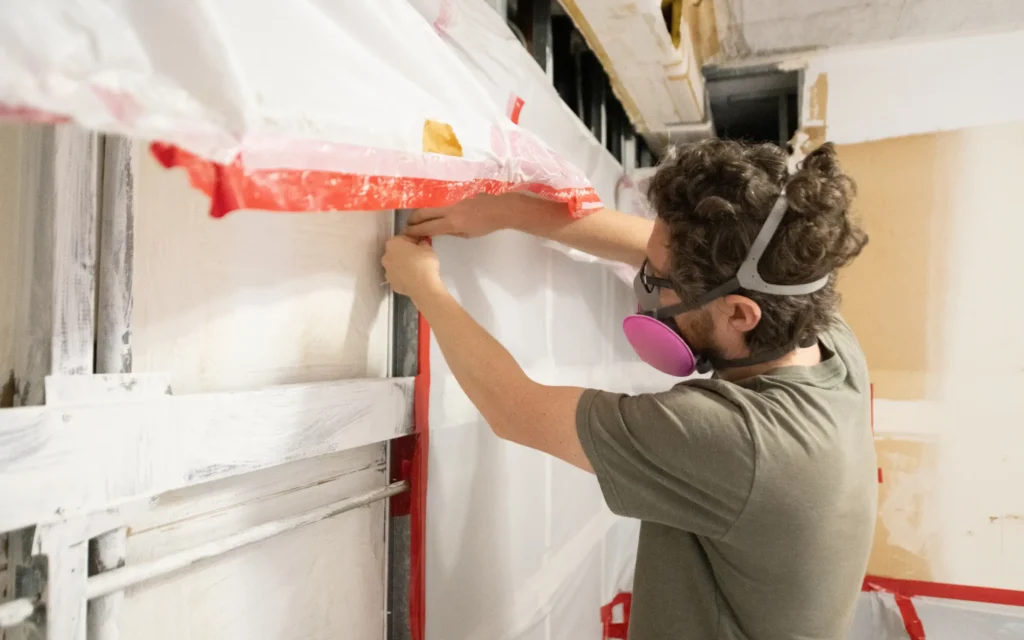
Why? Because disturbing mold without containment can spread spores to unaffected areas, which makes the problem worse. Proper remediation involves:
- Containment barriers
- Negative air pressure
- PPE
- Controlled removal and cleaning
Mold after water damage isn’t inevitable, but it is common when drying is incomplete.
That’s why getting the first few days right matters so much.
Concerned About Mold?
If you’ve had water in your home and you’re unsure whether it was dried properly, don’t guess.
Call and let us check moisture levels correctly. If everything’s dry, we’ll tell you. If it’s not, we’ll explain exactly what needs to happen.
Water damage restoration done right is what prevents mold from becoming the next problem.
Now let’s talk about the question that affects almost every decision: insurance.
Insurance, Claims, and What Most Homeowners Don’t Know
Insurance is where water damage stops being just stressful and starts becoming complicated.
We get this question almost immediately:
“Is this covered?”
The honest answer is: it depends on the source.
What’s Usually Covered
In general, homeowners insurance covers sudden and accidental water damage that originates within the home’s envelope (meaning inside the structure).
“Anything within the envelope of the house, like a broken pipe, is usually covered.”
Jamar Hinton
Examples that are commonly covered include:
- Burst supply lines
- Appliance failures
- Sudden plumbing leaks
- Some sump pump or backup situations (these are often capped though: many policies limit this to around $5,000 unless additional coverage was added)
The key words are ‘sudden’ and ‘accidental’.
What’s Often Not Covered
Where claims get denied is usually in one of these scenarios:
- Long-term seepage
- Foundation leaks
- Gradual deterioration
- Exterior water intrusion from poor maintenance
- Sewer line failures outside the home (unless a specific rider was purchased)
Insurance companies draw a hard line between an unexpected event and ongoing neglect.
If water has been seeping slowly for months, the carrier may classify it as maintenance-related rather than accidental.
That’s why timing matters so much in water damage restoration. The earlier you act, the clearer the event timeline tends to be.
Should You Always File a Claim?
Not necessarily.
This is where most homeowners don’t get clear advice.
“If your deductible is $2000 and the job is $2500… you might just want to pay out of pocket.”
Jamar Hinton
Filing a claim that barely exceeds your deductible can increase your claim history, potential impact your premiums and add paperwork and inspection delays.
If repairs are significantly above your deductible, filing often makes sense. If they’re close to it, sometimes it doesn’t.
This isn’t something most restoration companies slow down to explain. But it should be part of the conversation before paperwork starts.
Documentation Is Everything
If you do file a claim, documentation can protect you.
“Photos, photos, photos.”
Jamar Hinton
Take pictures before anything is moved. Take pictures during mitigation. And always keep receipts for materials and personal property (going back years) so you can prove how much your damaged items cost – that way you’ll find it easier to claim for like-for-like replacements.
The Insurance Information Institute reports the average water damage claim exceeds $11,000.
That’s not a small number. Documentation helps ensure what’s repaired or replaced reflects the actual materials in your home, not just a generic line item from estimating software.
We also work directly with adjusters, providing moisture readings, scope documentation, and room scans to support the claim. That coordination helps prevent back-and-forth delays.
Water damage restoration isn’t just about drying and rebuilding. It’s about navigating the financial side intelligently.
Not Sure Whether to File a Claim?
Before you call your insurance carrier, call us.
Describe what happened. Tell us your deductible. We’ll give you a straightforward opinion on whether filing makes financial sense, and if it does, we’ll guide you through the process so nothing gets missed.
Now let’s bring this together with one final question homeowners always ask: when is this truly an emergency?
When Is Water Damage an Emergency And When Can It Wait?
Not every water issue is a five-alarm situation.
But some absolutely are.
The challenge for homeowners is knowing the difference and making that call quickly.
Let’s simplify it.
It’s an Emergency If Water Is Actively Flowing
If water is still entering the home, that’s immediate.
- A burst pipe spraying water
- A washing machine line that let go
- A roof breach during heavy rain
- A sump pump failure during a storm
In those moments, stopping the source and starting professional water damage restoration right away makes a measurable difference in how much material can be saved.
Time directly affects cost.
The longer water sits, the more it saturates drywall, insulation, framing, flooring, and contents. What might have been a localized repair can expand room by room.
And if there’s standing water in a basement? Don’t go down there yourself, because electrical hazards change the situation entirely. That’s (we hope obviously) not a “wait until tomorrow” call.
It’s an Emergency If the Water Is Contaminated
Sewage backups and gray water intrusion require immediate attention.
Contaminated water introduces bacteria and pathogens that aren’t handled the same way as clean supply line leaks. Materials affected often cannot be dried and reused safely.
In those cases, emergency water damage restoration includes proper containment and removal, not just drying.
What About a Small Ceiling Stain?
Here’s where the nuance matters.
If you notice a small, dry stain from what appears to have been a one-time issue, you probably don’t need middle-of-the-night response.
But you do need it assessed. Even small ceiling spots can indicate moisture sitting above drywall. And drywall holds water longer than people realize.
The danger isn’t the stain itself. It’s what’s happening above it.
When DIY Is Reasonable And When It Isn’t
A minor spill on tile? Clean it up.
A small amount of water on a bathroom floor that didn’t soak into materials? Just dry it thoroughly and you’ll probably be fine.
But once water reaches:
- Drywall
- Hardwood flooring
- Carpet padding
- Insulation
- Subfloor
You’re likely outside basic cleanup territory and into water damage restoration territory.
And at that point, professional equipment and moisture measurement matter.
Not Sure Where Yours Falls?
Describe it.
Call and explain what you’re seeing. We’ll tell you directly whether it needs immediate response, next-day inspection, or simple monitoring.
The right level of urgency (not panic) is what protects your home.
Conclusion: Act Early. Dry Properly. Restore Completely.
Water damage is common. It’s disruptive. And if handled incorrectly, it spreads without anyone noticing until it’s too late.
But it’s also manageable.
When addressed early, most situations are contained, dried, and restored without long-term impact. The key is understanding what’s actually happening behind walls and under floors, not just what’s visible.
Water damage restoration done correctly follows a clear order:
- Stop the source.
- Measure the moisture.
- Dry the structure.
- Restore the materials.
- And when insurance is involved, document everything and make smart financial decisions before filing.
The goal isn’t just repairing drywall or replacing flooring. It’s protecting the structure of your home and the people inside it.
Reyes Restoration is one of the most trusted names in restoration in central Maryland including Baltimore, Annapolis and Washington DC.
Specializing in water & fire damage restoration, mold remediation, and reconstruction, we leave clients across Maryland and the DMV in a better position than before the loss.
Call 410-412-8457 and speak to a technician today!