
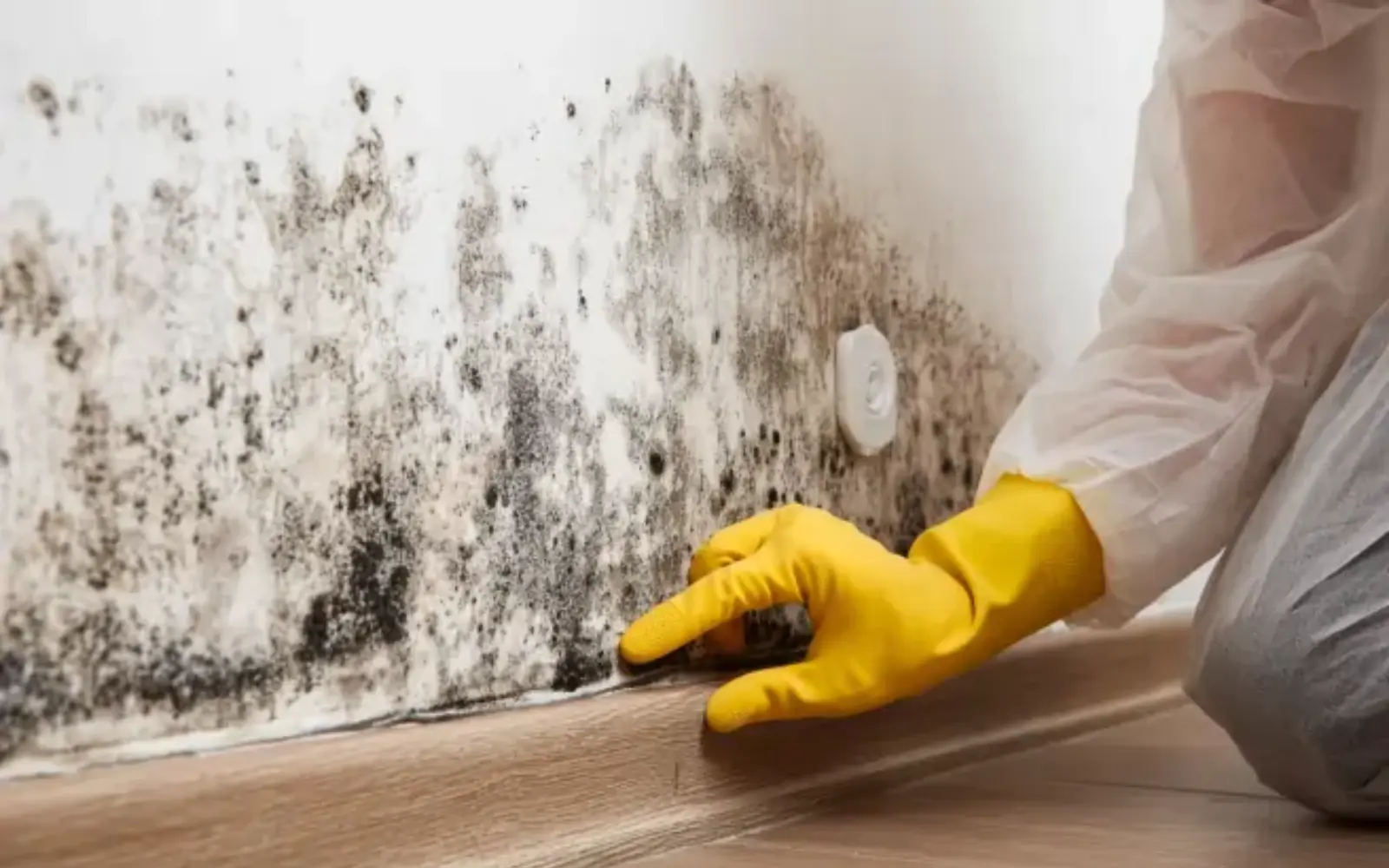
Will Mold Go Away If It Dries Out?
A lot of homeowners think about mold this way: the leak stopped, the room dried out, so the mold problem should be over.
Reasonable thought. Unfortunately, that is not always how it works.
Drying out an area is important. In a lot of cases, it is the first thing that needs to happen. But drying alone does not automatically make mold disappear, undo contamination, or repair materials that were already affected. It may stop active growth for the moment. It does not necessarily solve the whole problem.
That is where people get tripped up. The wall looks dry. The floor feels dry. The bathroom no longer seems damp. But the musty smell lingers, the stain stays put, or the same spot comes back the next time humidity rises. That usually means the issue was bigger than “wet versus dry.”
Here is the practical answer to what drying does, what it does not do, and when it makes sense to look closer.
Need to know more? Check out Mold Remediation Explained.
The Short Answer: No, Drying Out Mold Does Not Automatically Make Mold Go Away
Mold needs moisture to actively grow. So yes, if an area dries out, that can slow or stop active growth.
But stopping active growth is not the same thing as solving the mold problem.
If mold is already present on or in materials, drying does not magically remove it. It does not take contamination out of drywall. It does not clean up affected insulation. It does not repair water-damaged trim or undo hidden growth behind a wall. And if moisture returns later, mold can often pick right back up where conditions allow.
This is the part that matters most for homeowners: drying is often necessary, but it is not always sufficient.
Think of it this way. Drying removes one condition mold needs. It does not automatically remove the mold itself, the damaged material, or the reason the area became vulnerable in the first place.
What Actually Happens When Mold Dries Out
When mold loses access to moisture, it may stop actively spreading the way it would in a damp environment. That is the good news.
The less-good news is that dried mold is still mold.
The visible staining may still be there. Spores and affected material may still be there. If porous materials stayed wet long enough before drying, they may still be compromised even after they no longer feel damp to the touch.
This is especially important in homes where the original moisture problem was hidden. A wall cavity may seem dry from the room side while insulation inside the wall was previously affected. A bathroom may feel fine again after an overflow, but moisture may have traveled into trim, subfloor, or the back side of drywall before drying happened. A basement may dry out after a wet spell but still carry that stale, earthy smell that tells you the problem was not just temporary surface dampness.
So when mold dries out, one of two things is usually true:
- the growth has become inactive for now, but contamination remains
- the area was minor enough that drying and cleaning may have solved the main issue
The trick is knowing which one you are dealing with.
Why Drying Alone Is Often Not Enough
Drying alone often falls short because mold problems are rarely just about surface moisture.
If drywall, insulation, carpet pad, cabinetry, trim, or subfloor absorbed moisture, those materials may still be affected even after the room seems dry again. The same goes for hidden areas behind walls, under flooring, and inside built assemblies where air movement is limited.
This is why homeowners sometimes say, “It dried out, so why does the room still smell weird?” Or, “Why did the same spot come back if everything was dry?” The answer is usually that the visible dry-out did not fully address what happened inside the materials or behind the surfaces.
Drying also does not fix:
- a leak that was never fully corrected
- poor ventilation that keeps recreating the same damp conditions
- recurring condensation around windows or exterior walls
- contamination left behind on porous materials
- hidden mold growth that was never exposed or removed
In other words, drying solves one part of the puzzle. It helps stop the moisture cycle. But if the mold problem already moved past the “minor surface issue” stage, drying alone usually does not finish the job. This is where professional mold remediation may become necessary.
When Drying the Area May Solve the Main Issue
To keep this balanced, there are situations where drying out the area really does go a long way.
If the issue is small, limited to a surface-level area, tied to a clear humidity event, and not affecting porous materials, drying and cleaning may solve the main problem. A little surface mildew on a bathroom tile wall or a temporary damp spot on a non-porous surface is not the same thing as mold growing into drywall after a hidden leak.
Drying may be enough when:
- the moisture source was minor and fully corrected
- the growth was limited and surface-level
- the material is easy to clean and not porous
- there is no musty odor afterward
- the issue does not return
- there are no signs of damage behind or around the area
That last point matters. If the area dries, cleans up, stays clean, and never gives you another reason to think about it, great. That is a different story from the room that keeps dropping hints that something is still off.
Signs Drying Did Not Solve the Mold Problem
This is usually where the real answer shows up. If the area dried out but keeps giving you the same signals, it is worth paying attention.
The same spot keeps coming back
Recurring mold is one of the clearest signs that drying alone was not enough. If the same patch keeps returning on caulk, trim, drywall, or inside a cabinet, the underlying moisture condition may still be active or the material may still be affected.
The room still smells musty
A room that still smells damp or earthy after drying deserves a closer look. Odor is often one of the first and most persistent clues that mold is still present somewhere you cannot easily see.
Drywall, trim, or flooring still shows damage
Bubbling paint, staining, soft drywall, swollen trim, warped flooring, or loose baseboards suggest the area went through more than a simple surface moisture event. Even if it feels dry now, those signs point to a bigger story.
Mold is on or behind porous materials
Once drywall, insulation, carpet pad, particleboard, or other absorbent materials are involved, drying is rarely the full answer. Those materials can stay compromised even after the moisture source appears to be gone.
The problem started after a bigger leak or flood
If the issue followed a pipe break, appliance leak, bathroom overflow, roof leak, sump failure, or basement water intrusion, it makes sense to be more cautious. Larger water events tend to push moisture farther into assemblies than homeowners realize.
You cleaned it, but you still do not trust the area
This one may sound less technical, but it is real. Sometimes a homeowner cannot point to one dramatic sign. The room just still feels off. It still smells strange. It still seems damp in that corner. The cabinet still makes you suspicious. That instinct is worth listening to, especially if there is a known moisture history.
Why Mold Often Comes Back After a “Dry-Out”
A lot of mold problems come back because the area never truly dried the way people assumed it did.
Surface dryness is not the same as full drying. A wall can feel normal from the outside while the cavity behind it held moisture longer. Flooring can seem dry on top while the underlayment or subfloor stayed damp. Bathroom surfaces may look fine while trapped moisture sits behind tile, caulk lines, or vanity backsplashes.
Mold also comes back after dry-outs when:
- the leak source was only partially fixed
- humidity stays high in the room
- ventilation is still poor
- condensation keeps forming in the same spot
- contaminated porous materials were never removed
- the room dried temporarily, then got damp again later
This is one of the reasons homeowners get frustrated. From their perspective, they did the right thing. They dried the area. They cleaned the surface. They gave it time. Then the mold showed back up anyway.
Usually, that means the original “dry-out” solved the obvious part, not the full issue.
What Professionals Look For After a Mold or Moisture Issue
When a professional evaluates a space after a mold or moisture event, the question is not just, “Is it dry right now?”
The better questions are:
- Was the source of moisture fully corrected?
- Are the surrounding materials truly unaffected?
- Are there signs of hidden moisture or hidden mold?
- Are porous materials involved?
- Is the visible growth likely the whole story?
- Does anything need to be removed, cleaned, dried further, or rebuilt?
That is the difference between visible dryness and actual resolution.
A homeowner naturally focuses on what can be seen and touched. That is not a flaw, it’s normal. Professionals are usually looking one layer deeper though. They are asking whether the area is genuinely back to a stable condition, or whether it only looks better on the surface.
That distinction matters a lot in mold work. A room that looks normal but still carries moisture history, odor, recurring growth, or damaged materials may need more than time and airflow.
When to Call a Professional Instead of Waiting It Out
Sometimes it makes sense to watch an area. Sometimes waiting just gives the problem more time to worsen.
Call soon if…
There is a persistent musty smell, mold keeps returning, the area has a history of leaks or water damage, or porous materials like drywall, wood, or insulation may be involved. Those are the situations where drying may have helped but probably did not settle the whole issue.
Call now if…
There was a recent water loss, visible mold is spreading, drywall or flooring feels soft, multiple materials seem affected, or there is a strong reason to think mold may be hidden behind walls or under floors. In those cases, waiting for it to “finish drying out” usually does not buy you much – you need professional help.
So, Will Mold Go Away If It Dries Out?
Not automatically.
Drying is important because mold needs moisture to grow. But drying is often just step one. It may stop active growth for the moment, but it does not automatically remove contamination, fix damaged materials, or guarantee the problem will not return.
The better way to think about it is this: drying helps create the conditions for recovery, but it does not always complete the recovery by itself.
If the area dried, cleaned up, and never gave you another reason to worry, that may be the end of it. If it still smells off, keeps showing the same signs, or followed a bigger water event, drying probably was not the whole fix.
Call Reyes If the Area Dried but Still Doesn’t Feel Right
A lot of homeowners end up in that exact spot. The leak is over. The room seems dry. But something still feels off, and they do not want to wait until the signs get more obvious.
That is a smart time to call.
If an area dried out but still smells musty, keeps growing mold in the same spot, or shows leftover signs of moisture damage, call Reyes Restoration and talk through what happened. A few photos or a short video can help make that first conversation more useful and help narrow down whether the issue looks minor or whether it makes sense to investigate further.
That kind of calm, practical guidance is exactly what Reyes offers: clear, respectful help, and a focus on solving the actual problem, not just the visible symptom.
FAQs
Does dry mold still matter?
Yes. Dry mold may no longer be actively growing, but it does not automatically disappear. If contamination or damaged materials remain, the problem can still matter.
Can mold come back after a room dries out?
Yes. If moisture returns, or if the original issue was never fully corrected, mold can come back even after the room seemed dry for a while.
Will a dehumidifier fix mold?
A dehumidifier can help reduce moisture, which is useful, but it does not automatically remove mold that is already present in or on affected materials.
If the stain is still there, is that still mold?
Not always. Some staining can remain after a moisture event or after cleaning. But if the area also smells musty, keeps changing, or shows recurring growth, it is worth looking closer.
How do I know if drying was enough?
Usually by what happens next. If the area stays dry, odor-free, stable, and does not show recurring growth, that is a good sign. If the same signals keep returning, drying likely was not enough.