
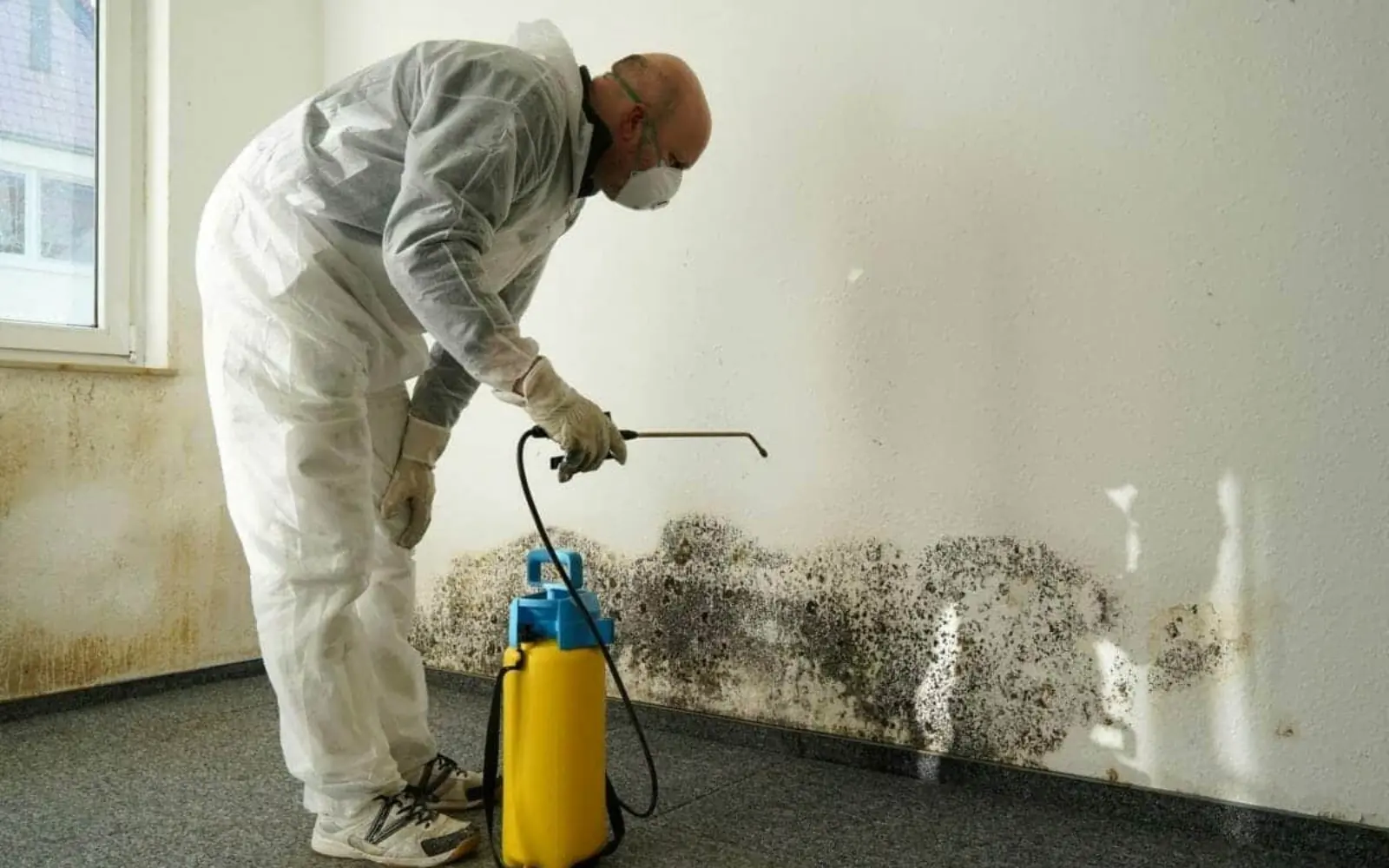
Mold Remediation Explained: Causes, Health Risks, and Safe Removal
Finding mold in your home can make your stomach drop a little. Maybe it is a musty smell in the basement. Maybe it is a dark patch creeping along drywall near a bathroom vent. Maybe it started after a leak you thought was handled.
Either way, mold is not something to shrug off and hope for the best.
Mold can damage building materials, spread farther than people realize, and create real concerns for anyone with allergies, asthma, or respiratory sensitivities. The tricky part is that visible mold is often only part of the problem. What you see on the surface may be connected to a hidden moisture issue behind a wall, under flooring, or above a ceiling.
That’s where professional mold remediation comes in.
At Reyes Restoration, we help homeowners identify the source of the problem, contain the affected area, remove damaged materials when needed, and clean the space safely so the home can move forward the right way. We are not here to make it dramatic. We are here to make it clear, manageable, and handled properly because when we say we’re restoring more than spaces, it really does mean that we’re renewing your peace of mind.
What Is Mold Remediation?
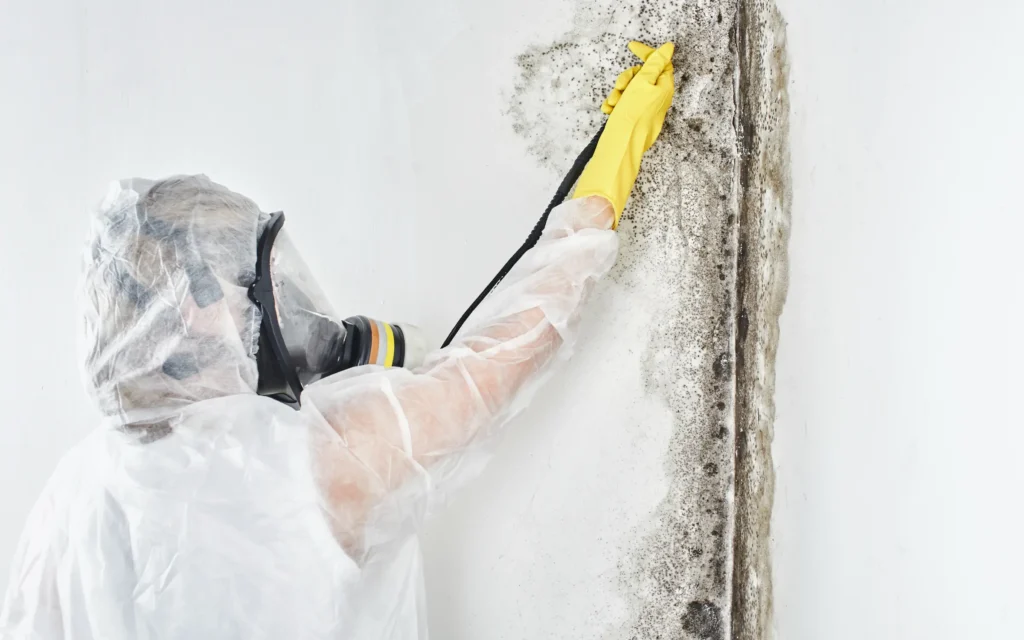
Mold remediation is the professional process of identifying mold growth, controlling its spread, removing contaminated materials when necessary, cleaning affected areas, and correcting the moisture issue that allowed the mold to grow in the first place.
That last part matters.
A lot of people use the phrase “mold removal” as a catch-all, but the real job is bigger than just scrubbing a surface. If the moisture source is still there, mold often comes right back. A proper remediation plan deals with both problems:
- the mold growth itself
- the water or humidity issue feeding it
In practical terms, mold remediation may include inspection, moisture mapping, containment, air filtration, demolition of unsalvageable materials, detailed cleaning, drying, and post-remediation recommendations. The goal is not to put a cosmetic patch on the problem. The goal is to make the home cleaner, safer, and less likely to have the same issue again.
What Causes Mold in a Home?
Mold needs one thing more than anything else: moisture.
If materials in your home stay damp long enough, mold can begin growing on drywall, wood, insulation, carpet, subfloor, ceiling materials, and other porous surfaces. Sometimes the cause is obvious. Sometimes it is hiding in plain sight.
Common causes of mold growth include:
Leaks
Roof leaks, plumbing leaks, appliance leaks, and slow pipe drips are some of the biggest culprits. Even a small leak inside a wall can create the right environment for mold.
Water damage that was not fully dried
This one is more common than people think. A room may look dry after a spill, overflow, or pipe break, while moisture is still trapped behind baseboards, under flooring, or inside wall cavities.
Poor ventilation
Bathrooms, laundry rooms, kitchens, and crawl spaces tend to hold humidity. Without proper airflow, that moisture hangs around and gives mold a foothold.
High indoor humidity
Basements and lower levels are especially prone to this. If indoor humidity stays elevated, mold can start growing on cooler surfaces and in tucked-away areas.
Flooding or storm damage
Any major water intrusion raises mold risk fast, especially when cleanup is delayed or incomplete.
Condensation
Cold surfaces, HVAC issues, and poorly insulated spaces can create enough recurring moisture for mold to develop over time.
Why Mold Often Starts After a Water Loss
A lot of mold problems do not begin with some mysterious air quality issue. They start with water.
Sometimes it is obvious, like a burst pipe, sump backup, appliance leak, or storm intrusion. Other times it is slower and easier to miss: a drip behind a wall, a toilet seal that has been failing for weeks, or a roof leak that only shows up during certain weather. Either way, once building materials stay damp long enough, mold has what it needs.
This is one reason homeowners are often surprised by mold. The original water event may seem minor, or it may feel like it was already handled. The floor looks dry. The ceiling stain stopped growing. The bathroom dried out after the overflow. But “looks dry” and “is dry all the way through” are not always the same thing.

Drywall, insulation, wood trim, subflooring, and other porous materials can hold moisture longer than people realize. That trapped moisture creates the kind of environment mold likes best: dark, still, and damp.
This is also why mold so often shows up after:
- pipe leaks behind walls
- refrigerator or dishwasher line leaks
- toilet overflows
- washing machine drain problems
- roof leaks around penetrations or flashing
- basement seepage
- flood or storm-related water intrusion
- incomplete drying after a previous water loss
In many homes, mold is really the second problem. The first problem was water that did not get identified, stopped, or dried thoroughly enough. That is why a proper mold response is never just about cleaning what you can see. It has to include figuring out where the moisture came from and whether it is still there.
Where Hidden Mold Commonly Grows
One of the most frustrating things about mold is that the worst part is not always visible. What shows up on the surface may be the tip of the iceberg, not because every mold issue is a disaster, but because mold often grows in the places homeowners cannot easily inspect.
Hidden mold commonly shows up in areas like:
- behind drywall near plumbing lines
- behind shower or tub walls
- under bathroom and kitchen cabinets
- under laminate, vinyl, or hardwood flooring after a leak
- behind baseboards
- inside wall cavities below roof leaks
- in attic insulation or roof decking
- around HVAC components where condensation forms
- in crawl spaces with elevated moisture
- under carpet pad after water damage
- behind wallpaper or paneling on exterior walls
These are the kinds of places where moisture can linger for a long time. The room may seem mostly fine, but there may be a musty odor that never quite goes away. A wall may feel a little soft. Paint may bubble or peel for no clear reason. A patch may keep returning even after someone wipes it down.
Bathroom sealant is a good example. If mold keeps growing on caulk or sealant around a shower, tub, backsplash, or sink, the problem may not just be the sealant itself. Sometimes that is surface-level mildew from humidity and poor ventilation. But if it keeps coming back quickly, spreads beyond the usual splash areas, or appears alongside loose tile, cracked grout, swollen trim, or a persistent musty smell, there may be hidden moisture and growth underneath or behind the finished surface.
The same goes for “small recurring spots” around window trim, ceiling corners, closet walls, or basement baseboards. If the same area keeps showing signs of growth, it usually makes sense to ask why that exact spot keeps having a moisture problem.
Hidden mold does not always mean major structural damage. But it does mean the visible part may not tell the whole story.
What Are the First Signs of Mold?
Not every mold problem announces itself with a big black patch on the wall. Sometimes the warning signs are subtle.
Early signs of mold can include:
Musty or earthy odors
That persistent damp smell is often one of the first clues something is going on behind the scenes.
Discoloration on walls or ceilings
Mold can look black, green, brown, gray, or even white depending on the material and the environment.
Peeling paint or bubbling drywall
Moisture damage and mold often travel together.
Staining around vents, windows, or baseboards
These areas may point to hidden humidity or water intrusion.
Increased allergy-like symptoms indoors
If symptoms seem worse in one part of the house, mold may be a factor worth investigating.
Past water damage in the same area
If a room had a leak, overflow, or flooding issue before, that history matters.
A helpful rule here is to pay attention to patterns, not just isolated spots. If something keeps coming back, keeps smelling off, or keeps showing moisture-related changes, there is usually a reason. These can be the first signs of significant mold problems in a home.
For example, mold growing again and again on shower caulk may mean the bathroom needs better ventilation. But if it returns unusually fast, spreads into grout lines, shows up on nearby drywall, or comes with loose tile or soft trim, that can suggest moisture is getting behind the finished surface.
The same logic applies elsewhere in the house. Repeated staining under a window may point to condensation or a small leak. A closet wall on an exterior wall that always smells damp may be holding moisture because of poor airflow or temperature differences. A baseboard that keeps showing spotting after a past leak may mean the wall cavity never fully dried.
The point is not to turn every stain into a crisis. It is to notice when the house is giving you the same signal more than once.
Can Mold Make You Sick?
It can, especially for people who are already more sensitive.
Mold exposure affects people differently. Some may notice no symptoms at all. Others may have a pretty strong reaction, especially if they have allergies, asthma, respiratory conditions, or weakened immune systems.
Possible symptoms associated with mold exposure include:
- sneezing
- coughing
- nasal congestion
- itchy eyes
- throat irritation
- skin irritation
- headaches
- brain fog
- worsened asthma symptoms
It is important not to overstate this. Not every patch of mold causes severe health problems, and not every health issue in a house is caused by mold. But when mold is present, it should be taken seriously, especially if someone in the home is feeling worse over time or the issue is widespread, because the medical community is waking up to the fact that mold can make you sick.
A good rule of thumb: if mold is visible, if the smell is persistent, or if there is a known moisture problem, it is worth having a professional take a look.
Why Mold Keeps Coming Back
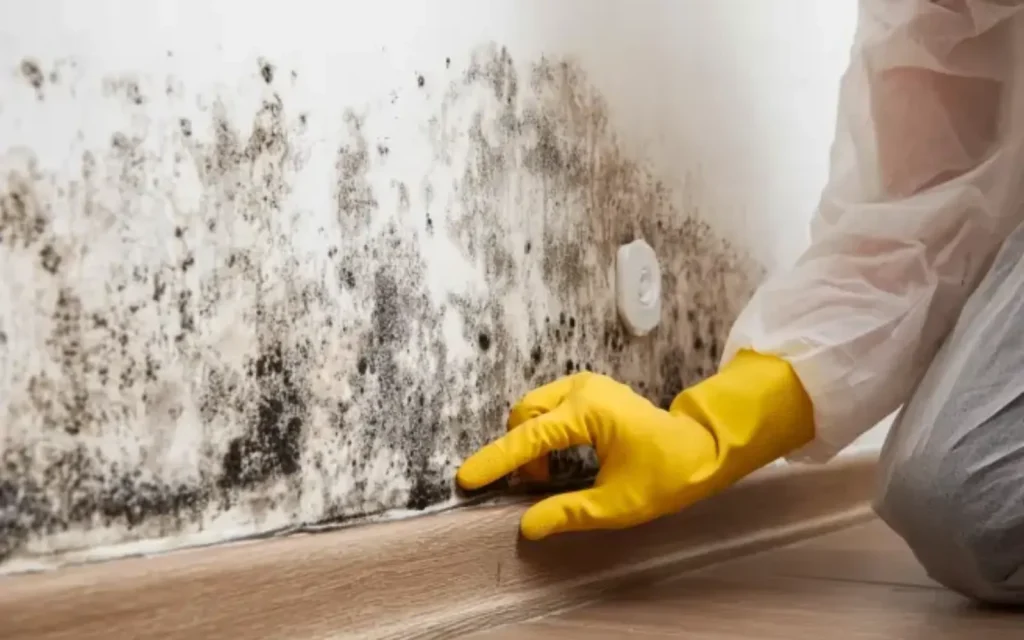
Mold is rarely just a cleaning problem.
Homeowners sometimes wipe a surface, spray a store-bought product, and assume the problem is solved. Then a few weeks later, there it is again. That usually means one of three things happened:
- the underlying moisture issue was never corrected
- mold had already spread into porous materials
- spores were disturbed and spread during improper cleanup
This is why real mold remediation focuses on the whole situation, not just the visible spot. If drywall, insulation, or other materials have been significantly contaminated, those materials may need to be removed and replaced. If humidity is the driver, that has to be addressed too. If a leak is feeding the problem, that leak needs to stop.
Dry mold is still mold. A dried-out patch does not mean the issue is resolved. If moisture returns, growth can continue.
What Not to Do If You Find Mold
When people find mold, the first instinct is usually to clean it fast and move on. Fair enough, nobody wants it in the house. The problem is that some of the most common quick fixes either do not solve the issue or make it harder to understand how far it has spread.
Do not ignore the moisture source
If mold is growing, moisture is part of the story. Cleaning the surface without dealing with the leak, humidity, condensation, or water damage behind it is a bit like mopping under an overflowing sink while leaving the pipe broken.
Do not assume bleach fixed it
A lot of homeowners reach for bleach first. On some hard, non-porous surfaces, cleaning products may remove visible residue. But bleach is not a cure-all, especially when mold has affected porous materials like drywall, wood, insulation, or carpet pad. If the material itself has been contaminated, surface cleaning may not solve much.
Do not paint over it
Paint-over products and stain blockers have their place after proper remediation and repairs. They are not a substitute for remediation. Covering mold does not correct the moisture issue, and it does not tell you whether the material underneath is still affected.
Do not tear into walls without a plan
Opening a wall may be necessary in some situations, but random demolition can spread contamination, create unnecessary mess, and make the problem harder to control. If hidden mold is suspected, it helps to understand the likely moisture path before cutting into finished materials.
Do not assume dry means gone
Mold that dried out did not magically disappear. If moisture returns, growth can continue. A dried stain or inactive-looking patch still deserves a closer look if the underlying conditions remain.
Do not keep scrubbing the same spot month after month
Recurring growth matters. If the same patch keeps coming back on caulk, drywall, trim, or inside a cabinet, that is usually a sign the problem is not just on the surface.
The best next step is not panic. It’s to figure out what is causing the moisture, how isolated the issue is, and whether the affected materials are something a homeowner can safely manage or something that needs professional remediation.
Does Mold Always Mean Major Damage?
Not always. And that is an important point to make, because many homeowners tend to swing between two extremes: either it is probably nothing, or the whole house is ruined. Most mold problems live somewhere in the middle.
Some mold issues are limited and relatively straightforward. Maybe a small area around a bathroom exhaust issue needs cleaning, drying, and a ventilation fix. Maybe a minor leak under a sink caused isolated damage inside the cabinet. Those situations still need to be handled correctly, but they are not automatically catastrophic.
Other mold problems point to something deeper. A musty smell with no visible source, repeated growth after cleaning, soft drywall near plumbing, staining below a roofline, or mold spreading across multiple materials can suggest hidden moisture and broader contamination. In those cases, the visible mold is just the part that finally made itself known.
The key is not to guess based on appearance alone.
A small visible patch can be tied to a larger hidden issue. On the other hand, not every visible patch means there is widespread structural damage. What matters is the context:
- what material is affected
- how long moisture has been present
- whether the source is ongoing
- whether growth keeps returning
- whether surrounding materials also show signs of damage
- whether the area connects to other concealed spaces
This is where a calm, experienced assessment matters. The goal is not to turn every mold concern into a full-blown emergency. The goal is to figure out whether the issue is isolated, moderate, or more extensive and then handle it accordingly.
Most importantly, homes with mold can often be fixed. The earlier the issue is addressed, the more options homeowners usually have.
What the Mold Remediation Process Looks Like From Start to Finish
For most homeowners, mold remediation feels stressful partly because they do not know what to expect. It helps when the process is broken down into plain English.
1. Initial walkthrough and problem assessment
The first step is understanding the story of the space. When did the leak happen? Has the area been wet before? Is there a smell, staining, bubbling paint, soft drywall, or recurring growth? What looks like a mold problem on the surface often makes more sense once the moisture history is clear.
2. Moisture investigation
The visible mold matters, but the moisture source matters just as much. A proper remediation approach looks at where water or humidity is coming from and whether surrounding materials may still be affected. If that part is skipped, the work can look complete while the real driver remains.
3. Scope planning
Once the issue is understood, the next question is what the job actually requires. Is it isolated to a small area, or is there reason to believe mold has spread behind walls, under flooring, or into adjacent materials? This is where the plan gets more specific.
4. Containment setup
If the affected area is large enough or disruptive enough, it may need to be isolated so cleanup does not spread contamination into the rest of the home. That can include physical barriers and negative air practices to keep disturbed particles from traveling.
5. Removal of unsalvageable materials
Not every material can or should be saved. Drywall, insulation, carpet pad, ceiling materials, and certain porous finishes may need to be removed if contamination is significant. This part can be messy, but it is often necessary to get to the full extent of affected materials.
6. Cleaning of salvageable surfaces
Once unsalvageable materials are out, the remaining surfaces can be cleaned using methods appropriate to the material and level of contamination. The point is not just to make it look better. The point is to address the affected area responsibly.
7. Drying and moisture correction
The area must be dried thoroughly, and the moisture source must be corrected. If the bathroom fan does not vent well, if the roof leak is still active, or if the plumbing issue was never fully repaired, that has to be dealt with or the problem can return.
8. Evaluation of next repair steps
After remediation is complete, the space may need repairs to bring it back together. That can mean replacing drywall, insulation, trim, flooring, or cabinetry. This is where restoration matters. People do not just want contamination handled. They want their home put back in working order.
9. Clear communication throughout
This part sounds simple, but it matters. Homeowners should know what was found, what is being removed, what is being cleaned, what caused the problem, and what happens next. Mold work is stressful enough without vague answers and mystery demo.
When people understand the process, the whole thing gets a little less overwhelming.
Can You Clean Mold Yourself?
Sometimes, but not always.
A very small amount of mold on a hard, non-porous surface may be manageable for a homeowner. But once mold is widespread, tied to water damage, affecting porous materials, or showing up in HVAC-connected areas, it is smart to bring in a professional.
DIY mold cleanup becomes risky when:
- the affected area is larger than a small isolated patch
- the source of moisture is unknown
- the mold keeps returning
- drywall, insulation, wood, or flooring may be involved
- someone in the home has asthma, allergies, or health sensitivities
- the mold is inside a wall, ceiling, crawl space, or attic
- there was a recent leak or flood
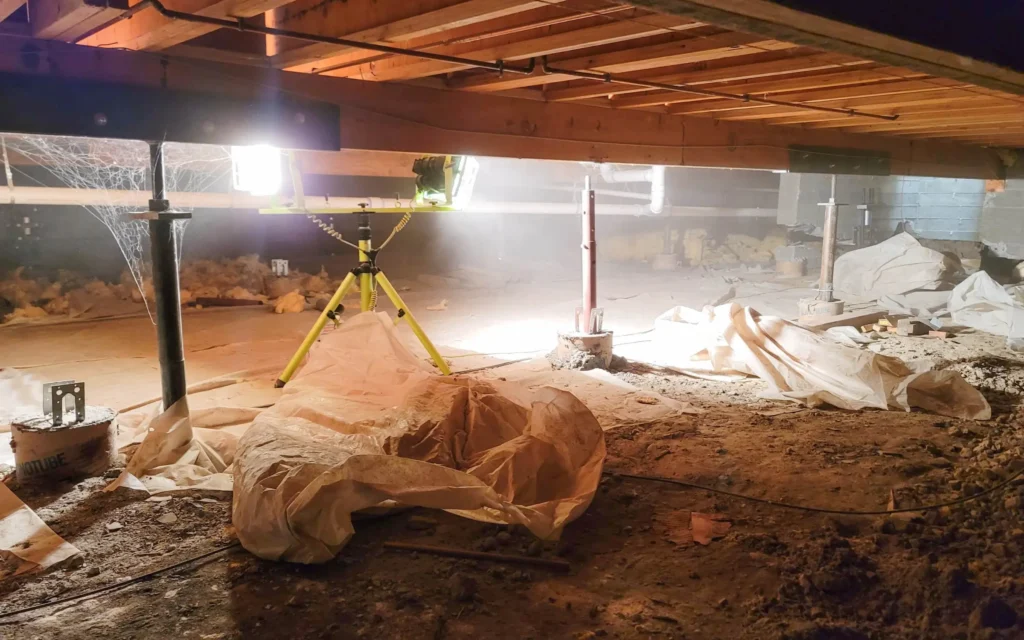
The problem with DIY is not just whether you can wipe something down. It is whether you are solving the whole issue without spreading it or missing hidden damage.
When Mold Needs Immediate Attention
That said, not every mold issue calls for panic. But some situations should move up the priority list pretty quickly.
It makes sense to call right away when:
There was a recent leak or water loss
If a pipe burst, a bathroom overflowed, a roof leaked, or the basement took on water, mold risk rises fast when drying is delayed or incomplete.
Mold is spreading across drywall, ceilings, or multiple rooms
Once growth is showing up on building materials beyond a tiny isolated area, it is usually time for a more professional look.
The same mold keeps returning
Recurring growth is one of the clearest signs that the underlying issue has not been solved. This is especially true around shower sealant, window trim, baseboards, under sinks, and ceiling corners.
There is a strong musty odor with no obvious source
A persistent odor often means mold is growing somewhere out of sight like behind a wall, under flooring, in a closet, or above a ceiling.
Someone in the home has asthma, allergies, or respiratory sensitivity
When occupants are more vulnerable, it makes sense to take indoor mold concerns more seriously and move faster.
The mold may be connected to HVAC or shared air movement
If contamination is near air handling components, duct-adjacent spaces, or other areas that affect airflow, the issue can become more disruptive to the rest of the house.
Materials feel soft, swollen, or visibly water-damaged
By the time drywall is bubbling, trim is warping, or cabinetry is swelling, moisture has usually been present long enough to justify a closer look.
On the other hand, a very small amount of surface mildew in a well-understood area may not be urgent in the same way. It still deserves attention, but the goal is to separate “monitor and correct the condition” from “bring in help before this spreads farther.” That distinction matters, and it is one reason homeowners often benefit from talking the situation through instead of guessing.
When You Should Call a Mold Remediation Professional
Call a professional when the mold is more than minor surface growth, when the cause is unclear, or when the home has had a recent water issue.
That includes situations like:
- mold after a pipe leak or overflow
- recurring mold in the same room
- strong musty odor with no visible source
- visible mold on drywall or ceilings
- suspected hidden mold behind walls
- mold in basements, crawl spaces, or attics
- mold affecting multiple rooms
- health concerns tied to indoor air quality
If you are not sure whether it is a small issue or a bigger one, that is exactly the kind of situation where a professional inspection helps.
Why Mold Remediation Is Not Just a Cleaning Job
This is where a lot of confusion comes from. People hear mold and think cleaning. Wipe it, spray it, scrub it, done. Sometimes surface cleaning is part of the process. But mold remediation, especially when building materials are involved, is a different category of work.
A cleaning job is about removing visible dirt, residue, or staining.
A remediation job is about:
- identifying the moisture source
- evaluating the extent of contamination
- preventing spores from spreading during cleanup
- deciding what materials can be saved
- removing what cannot
- drying the area properly
- helping reduce the chance of regrowth
That is why mold remediation often overlaps with water mitigation, demolition, drying, and repair work. It is not just about what is on the surface right now. It is about what is happening behind that surface, for how long, and what needs to change so the problem does not keep coming back.
This also explains why a handyman-style patch job and a proper remediation approach are not the same thing. A quick cosmetic fix may make an area look better for a little while. It may not tell you whether insulation is wet behind the wall, whether trim is hiding damage, or whether the same moisture issue will trigger regrowth the next time the room gets humid.
Homeowners do not need every mold concern turned into a huge production. But they do deserve an approach that matches the actual problem. Sometimes that is limited cleanup. Sometimes it is a contained remediation with material removal and drying. The important thing is knowing the difference.
How Much Does Mold Remediation Cost?
Mold remediation cost depends on the size of the affected area, the type of materials involved, how deep the damage goes, and what caused it.
A small, contained issue is very different from mold that has spread behind walls after a long-term leak. Cost can also increase when demolition, detailed containment, air filtration, or reconstruction is needed.
Main factors that affect mold remediation cost:
- size of the affected area
- location of the mold
- whether materials need to be removed
- extent of moisture damage
- difficulty of access
- whether the source of moisture also needs repair
- whether post-remediation repairs are required
For homeowners, the better question is usually not “What is the cheapest way to make this disappear?” It is “What is the right way to handle this so I am not dealing with the same thing again in three months?”
Does Homeowners Insurance Cover Mold Remediation?
Sometimes yes, sometimes no. Mold coverage usually depends less on the mold itself and more on what caused it.
In general, homeowners insurance may provide coverage when mold results from a sudden event. For example, if a pipe bursts and causes water damage that leads to mold, there may be coverage depending on the policy and how the claim is handled. But mold tied to long-term leaks, deferred maintenance, unresolved moisture problems, repeated seepage, or poor ventilation is often treated very differently.
That is why two homeowners can both have mold and end up with very different insurance outcomes.
A few factors that may affect coverage include:
- whether the original cause was sudden and accidental
- how quickly the damage was addressed
- whether the policy includes mold limitations or exclusions
- whether the issue developed over time
- how the claim is documented
The big thing for homeowners to remember is that insurance language matters. Policy details, endorsements, exclusions, and caps can all change what is or is not covered.
So, is mold remediation covered? Sometimes. But it should never be assumed.
The safest approach is to review your specific policy, document what happened, and ask direct questions about the cause of loss and any mold-related limits. And if the mold followed a known water event, it helps to have a clear record of when the problem started, what was observed, and what mitigation steps were taken.
Can a House With Mold Be Fixed?
Yes, in many cases, absolutely.
A house with mold is not automatically ruined. What matters is how widespread the issue is, how long moisture has been present, and whether the problem is handled correctly. Many homes with mold can be cleaned, repaired, and restored successfully.
The earlier the problem is addressed, the better. Small issues are easier to contain. Larger issues are still fixable, but they may involve more demolition, cleaning, drying, and reconstruction.
The big mistake is waiting.
Why Homeowners Call Reyes for Mold Remediation
When homeowners call Reyes, they are usually not looking for a lecture. They want someone to pick up the phone, explain what is happening in plain English, show up prepared, and help them get their home back on track.
That steady, respectful approach is already part of how Reyes Restoration operates: with experience, compassion, clear communication, and a focus on restoring homeowners’ peace of mind, not just the structure they live in.
Mold Remediation FAQs
Is all black mold dangerous?
Not every dark-colored mold is the same thing, and not every mold people call ‘black mold’ carries the same meaning. Color alone does not tell you how serious a mold problem is. The bigger issue is whether mold is growing in the home, what materials are affected, and what moisture condition is allowing it to stay there.
Can mold be behind walls without being visible?
Yes. In fact, that is fairly common. Mold can grow inside wall cavities, under flooring, above ceilings, behind cabinets, or around plumbing penetrations. A musty odor, soft drywall, staining, or recurring spots in the same location can all point to hidden growth.
Does bleach kill mold?
Bleach is often treated like the universal answer, but it is not a complete solution for many mold problems, especially on porous building materials. Cleaning a surface is not the same as resolving contamination inside drywall, insulation, wood products, or other materials that may have absorbed moisture. And bleach can also cause the mold to grow more aggressively if it does grow back, or release spores that spread throughout your home.
How long does mold remediation take?
It depends on the size of the affected area, the materials involved, the moisture source, and whether demolition and repairs are needed. Some jobs are relatively limited. Others involve multiple steps over a longer period. The important thing is getting the scope right, not pretending every mold problem has the same timeline.
Do I have to leave the house during mold remediation?
Not always. It depends on where the mold is, how extensive the work is, what containment is needed, and whether anyone in the home has respiratory sensitivities or other health concerns. Some projects are isolated to one area. Others are more disruptive. That is usually a case-by-case decision.
Can mold come back after remediation?
It can if the moisture source is not fully corrected. Remediation handles the contamination, but long-term success depends on fixing the leak, humidity issue, ventilation problem, or other condition that fed the growth in the first place.
What should I do before a mold crew arrives?
Try not to disturb the area more than necessary. Avoid repeated scrubbing, unnecessary demolition, or covering it up. If it is safe to do so, make note of when you first noticed it, whether there was a prior water event, and whether the area has a smell, staining, or soft materials nearby. That information helps the first walkthrough go faster.
Can furniture and belongings be saved?
Sometimes yes. It depends on the type of material, how much contamination is present, and how long the items were exposed to moisture. Non-porous and some cleanable surfaces may be salvageable. More porous items may require a closer evaluation.
Do you always need mold testing first?
Not always. In many situations, visible mold combined with a known moisture issue is enough to justify corrective action. Testing can have a role in some projects, but it is not automatically the first or most important step in every case.
What happens after remediation is done?
Once remediation is complete, the space may need repairs or reconstruction to bring it back to normal. That can include replacing drywall, trim, flooring, insulation, cabinetry, or other removed materials. A complete job is not just about taking contaminated material out. It is also about helping the home feel whole again.
Call Reyes If You Suspect Mold in Your Home
If you found mold, smelled something musty, or recently had a leak that still does not feel fully resolved, it is worth getting it checked out before the problem spreads.
Call Reyes Restoration to talk through what you are seeing. We can help you understand what is urgent, what is likely causing it, and what safe remediation may involve. If it helps, send a photo or short video when you reach out – that can make the first conversation faster and more useful.
When there is mold in the house, peace of mind usually starts with a real plan. That is what we are here for.
Reyes Restoration is one of the most trusted names in restoration in central Maryland including Baltimore, Annapolis and Washington DC.
Specializing in water & fire damage restoration, mold remediation, and reconstruction, we leave clients across Maryland and the DMV in a better position than before the loss.
Call 410-412-8457 and speak to a technician today!