
Water Mitigation vs. Water Damage Restoration: What’s the Difference?
When water shows up where it absolutely was not invited, the language can get confusing fast. Someone says you need “mitigation.” Someone else says “restoration.” Your insurance adjuster may use both words before you’ve even had coffee.
Here’s the simple version: water mitigation stops the damage from getting worse. Water damage restoration repairs what was damaged and brings the space back to normal.
Most real water damage jobs need some version of both. A burst pipe, leaking water heater, overflowing toilet, storm leak, or soaked basement all have to be stabilized first. Then, once the structure is properly dried, the repair work can begin.
For the big-picture breakdown, start with our complete guide to water damage restoration. This article zooms in on the difference between mitigation and restoration, because knowing which stage you’re in makes the whole process feel a lot less like alphabet soup.
Water Mitigation Is the Emergency Stabilization Step
Water mitigation is the “stop the bleeding” part of the job. It’s not about making the room pretty yet. It’s about stopping moisture from spreading, reducing secondary damage, and getting the home into a stable drying condition.
That may sound simple, but water is sneaky. It runs under flooring, wicks up drywall, settles behind baseboards, hides in insulation, and generally behaves like it owns the place. A room can look “not that bad” while moisture is sitting under the surface, quietly making plans.
What water mitigation may include
Depending on the situation, mitigation can involve:
- Finding or confirming the water source
- Extracting standing water
- Moving or protecting furniture and belongings
- Removing materials that can’t be safely dried
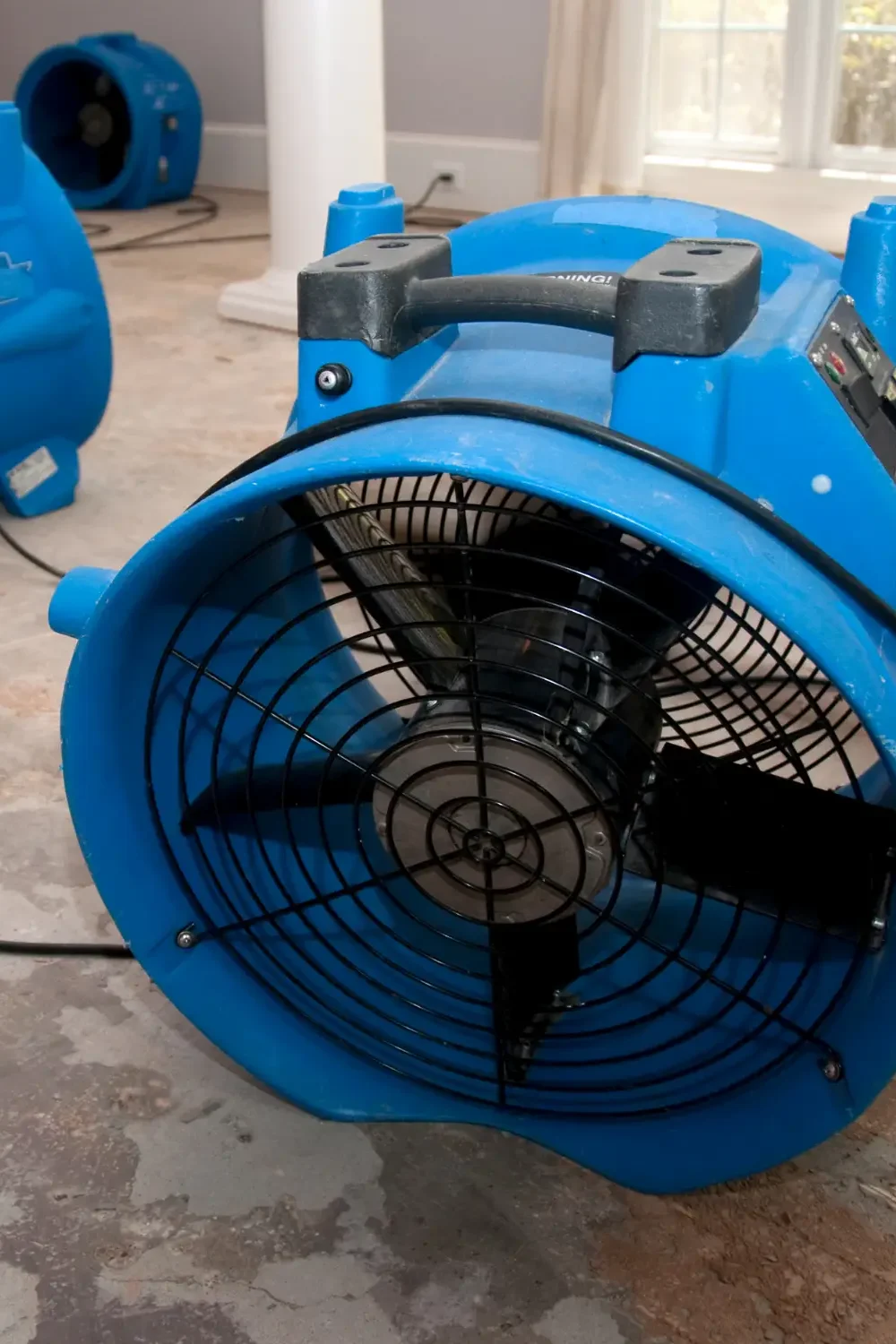
- Setting air movers and dehumidifiers
- Taking moisture readings in walls, floors, and air
- Monitoring the drying process over several days
- Documenting the loss for insurance when applicable
One thing homeowners should know: emergency mitigation often begins before there’s a neat, itemized repair estimate. That’s normal. When water is actively damaging a home, waiting around for perfect paperwork can turn a manageable job into a much bigger one.
Once the water is removed, it still takes a while to dry out a house after water damage. The type of water also matters, which is why it helps to understand the categories and classes of water damage.
Water moving through your home doesn’t wait politely. Call Reyes Restoration now and talk to a real restoration tech before the damage spreads.
Water Damage Restoration Is the Repair and Rebuild Phase
Water damage restoration comes after the home is stabilized, dried, and ready to be put back together. This is the repair phase. It may involve drywall, trim, flooring, paint, insulation, cabinetry, ceilings, or reconstruction.
Sometimes restoration is fairly light. Maybe a section of baseboard needs replacing, a small drywall area needs patching, and the room needs paint. Other times, the job is more involved. A kitchen leak can affect cabinets, flooring, subflooring, walls, and adjacent rooms. A second-floor bathroom leak can damage the bathroom, the ceiling below, and whatever unlucky light fixture happened to be in the drip path.
Think of it this way:
Mitigation: stop, dry, protect.
Restoration: repair, rebuild, return to normal.
The order matters. Restoration should not begin before the affected materials are properly dry. Covering wet framing, insulation, subflooring, or drywall with new finishes is asking for future trouble: odors, staining, swelling, peeling paint, or mold growth. It’s like putting a lid on leftovers you know have gone bad. Technically possible. Not recommended.
Before repairs begin, homeowners often ask whether they need to remove drywall after water damage. Cost is another common question, so we also explain how much water damage restoration costs.
Not sure whether you’re in the drying stage or the repair stage? Call Reyes and we’ll walk you through what your home actually needs, not what sounds impressive on an invoice.
Why the Difference Matters for Your Home, Timeline, and Budget
The difference between mitigation and restoration isn’t just industry wording. It affects how quickly work needs to happen, what can be saved, how the job is documented, and what the final repair plan looks like.
Here’s the reality: even a small amount of water can get expensive fast. FEMA’s National Flood Insurance Program notes that just one inch of water in a typical home can cause up to $25,000 in damage. (agents.floodsmart.gov)
That number gets attention because it should. Water doesn’t need to be waist-deep to ruin flooring, drywall, trim, furniture, and personal belongings.
It affects urgency
Mitigation is time-sensitive. The longer water sits, the more materials absorb it. Flooring can cup or buckle. Drywall can soften. Insulation can hold moisture. That damp smell can settle in and make itself comfortable. Rude, but common.
It affects what can be saved
Fast extraction and drying can sometimes reduce demolition. Not always, but sometimes. Wet carpet may be salvageable in one situation and completely unsalvageable in another, depending on the water source, how long it sat, and what’s underneath it. Saturated carpet pad, contaminated water, and wet insulation are a different conversation.
It affects documentation
Mitigation and restoration may be scoped separately, especially when insurance is involved. Mitigation is about emergency services and drying. Restoration is about repair work after the property is stable. Homeowners should understand what’s being done now, what may happen later, and what photos, readings, or notes are being collected.
For coverage questions, read is water damage covered by homeowners insurance. If you’re trying to figure out whether the damage is minor or serious, start with the categories and classes of water damage.
The sooner Reyes can inspect, extract, and start drying, the better chance you have of keeping the job controlled. Call now before that “little bit of water” gets ambitious.
What Happens During a Typical Water Damage Job?
No two homes are exactly the same, but most water damage jobs follow a similar path. A good restoration company should explain what’s happening, what can wait, what can’t, and what you should avoid touching. Mystery is great for novels. Not so much for your living room ceiling.
1. First call and triage
The first call is about understanding what happened. Where did the water come from? Is it still active? Is there standing water? Are ceilings sagging? Is there an electrical concern? Photos or video can help the team triage faster, though they don’t always replace an on-site inspection.
2. On-site inspection and moisture checks
Once on site, the team checks both visible and hidden moisture. This is where professional tools matter. Walls, flooring, and ceilings can look dry on the surface while moisture remains underneath. “Feels dry to me” is not a moisture reading. It’s a guess wearing work boots.
3. Mitigation work begins
Depending on the damage, the crew may extract water, move contents, remove wet materials, set drying equipment, and establish containment if needed. The goal is to create the right drying environment and prevent the damage from spreading.
4. Drying is monitored
Equipment usually stays in place for more than one day. The team should monitor moisture readings and adjust equipment as needed. Drying is a process, not a vibes-based activity.
5. Restoration planning starts
Once the affected areas are dry and stable, the repair scope can be developed. That’s when restoration work can be planned properly, from drywall and paint to flooring and reconstruction.
If the issue may be inside a wall, read about hidden water damage behind walls.
Have water where it shouldn’t be? Call Reyes Restoration. We’ll explain the next step in plain English and get to work without turning your home into a guessing game.
How to Know Whether You Need Mitigation, Restoration, or Both
You don’t have to diagnose the whole job yourself. That’s what trained restoration professionals are for. Still, there are a few signs that can help you understand what kind of help you may need.
You may need mitigation right away if:
- There’s standing water
- Flooring is wet, soft, cupping, or buckling
- Water came through a ceiling, wall, or floor
- The area smells damp or musty
- The water source was a toilet, sewer backup, stormwater, or unknown source
- The leak happened while you were away and you don’t know how long water sat
You may need restoration if:
- Drywall, trim, cabinets, ceilings, or flooring are stained or swollen
- Materials were removed during mitigation
- The area is dry but still damaged
- Your home is safe and stable, but not back to normal
Many jobs start with mitigation and end with restoration. That’s normal. The important part is doing them in the right order, with clear communication along the way.
If the water came from plumbing, our article on burst pipe water damage will be especially useful. If the water is downstairs, see basement water damage after a leak, flood, or sump pump failure.
Don’t lose time trying to name the problem perfectly. Call Reyes, tell us what you’re seeing, and we’ll help sort out whether you need emergency mitigation, restoration, or both.
The Bottom Line
Water mitigation and water damage restoration work together, but they are not the same thing. Mitigation stops the damage from spreading. Restoration repairs the home after it’s dry and stable.
If water has reached flooring, drywall, ceilings, cabinets, or hidden spaces, the right first step is usually a call. The sooner a trained team can inspect the damage, start drying, and explain the plan, the easier it is to protect your home and your peace of mind.
Water damage gets worse when it’s left alone. Call Reyes Restoration today to talk with a real tech, get clear next steps, and start getting your home back to normal.
Reyes Restoration is one of the most trusted names in restoration in central Maryland including Baltimore, Annapolis and Washington DC.
Specializing in water & fire damage restoration, mold remediation, and reconstruction, we leave clients across Maryland and the DMV in a better position than before the loss.
Call 410-412-8457 and speak to a technician today!