
What to Expect After a House Fire: A Restoration Guide
A house fire doesn’t end when the flames go out. For most homeowners, that’s when the harder part starts.
Even a small, contained fire leaves behind smoke, soot, and water from the extinguishing effort — and each one damages your home in a different way. Knowing what real fire damage restoration involves makes the weeks that follow a lot less overwhelming.
The Damage You Can’t See Is Often Worse Than the Damage You Can
Most people picture fire damage as charred wood and melted plastic. That’s real, but it’s usually the smaller problem. Smoke and soot travel far beyond the room where the fire started, through HVAC ducts, wall cavities, and any gap in the structure.
Soot is acidic. Left untreated, it keeps corroding metal, discoloring grout and fabric, and etching into surfaces for days or weeks after the fire itself is out. That’s why a room that looks untouched can still need professional cleaning if it shares ductwork or airspace with where the fire started.
[Insert Jamar quote here on smoke/soot spread]
Water Damage Is Part of Fire Damage
Firefighting means water, and that water goes everywhere the fire didn’t. Ceilings, walls, flooring, and belongings can end up soaked even in rooms far from where the fire burned. If that moisture isn’t addressed quickly, mold becomes a second disaster on top of the first, often within 24 to 48 hours. For more on that timeline, see can water damage cause mold.
This is why fire damage restoration isn’t just soot removal. A proper response treats it as both a fire loss and a water loss from day one. If you want the fuller picture of how professionals approach drying and mitigation, read the complete guide to water damage restoration.
What Fire Damage Restoration Actually Involves
- Securing the property (boarding windows, tarping roof damage) to prevent further loss
- Assessing structural safety before any work begins
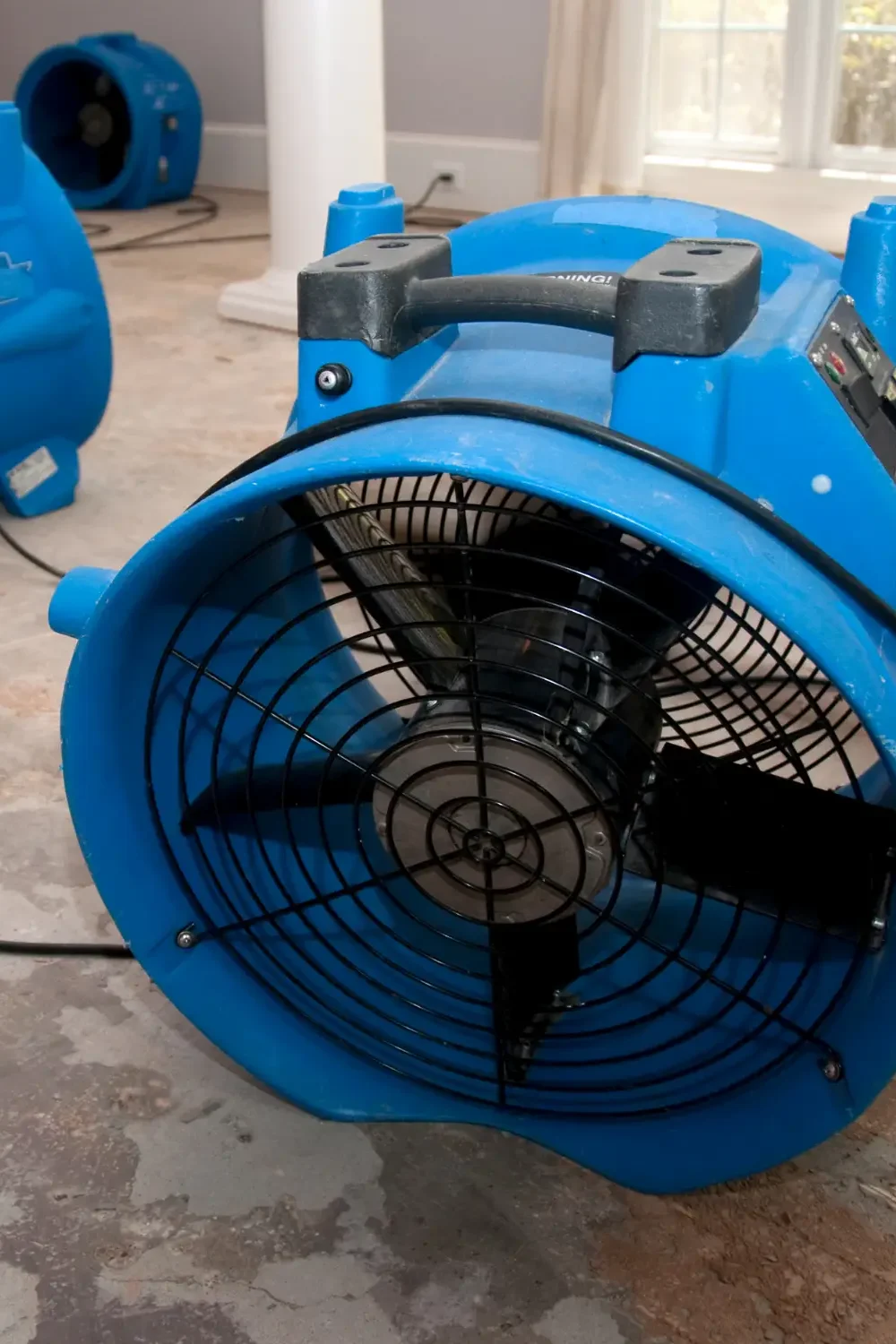
- Extracting standing water and drying affected areas
- Removing soot and smoke residue from surfaces, HVAC systems, and contents
- Deodorizing to address smoke odor at its source, not just masking it
- Coordinating repairs and reconstruction so damaged areas are rebuilt properly, not patched
Every fire is different. A contained kitchen fire and a fire that reaches the attic call for very different scopes of work, which is part of why a professional assessment matters before assuming what can and can’t be saved.
Insurance and Documentation
Fire claims tend to be larger and more scrutinized than water damage claims, which makes documentation even more important. Photograph everything before cleanup starts, keep receipts for any emergency mitigation, and get a detailed scope of damage in writing. For the full breakdown of how that process works, see how to work with your insurance adjuster after water damage.
Smoke and soot damage to unaffected-looking rooms is one of the most commonly underestimated parts of a fire claim. Working with a restoration company that documents that damage clearly, and can speak the adjuster’s language, makes a real difference in what the claim actually covers.
The Bottom Line
Fire damage is rarely just about what burned. It’s about the smoke that traveled, the water left behind, and how quickly all of it gets addressed. Secure the property, document before anything is touched, and bring in a restoration company that treats the fire loss and the water loss as one job, not two.
If a fire has hit your home, call Reyes Restoration before you start cleaning up on your own. We secure the property, document everything, and coordinate directly with your insurance company from the first call.
Reyes Restoration is one of the most trusted names in restoration in central Maryland including Baltimore, Annapolis and Washington DC.
Specializing in water & fire damage restoration, mold remediation, and reconstruction, we leave clients across Maryland and the DMV in a better position than before the loss.
Call 410-412-8457 and speak to a technician today!