
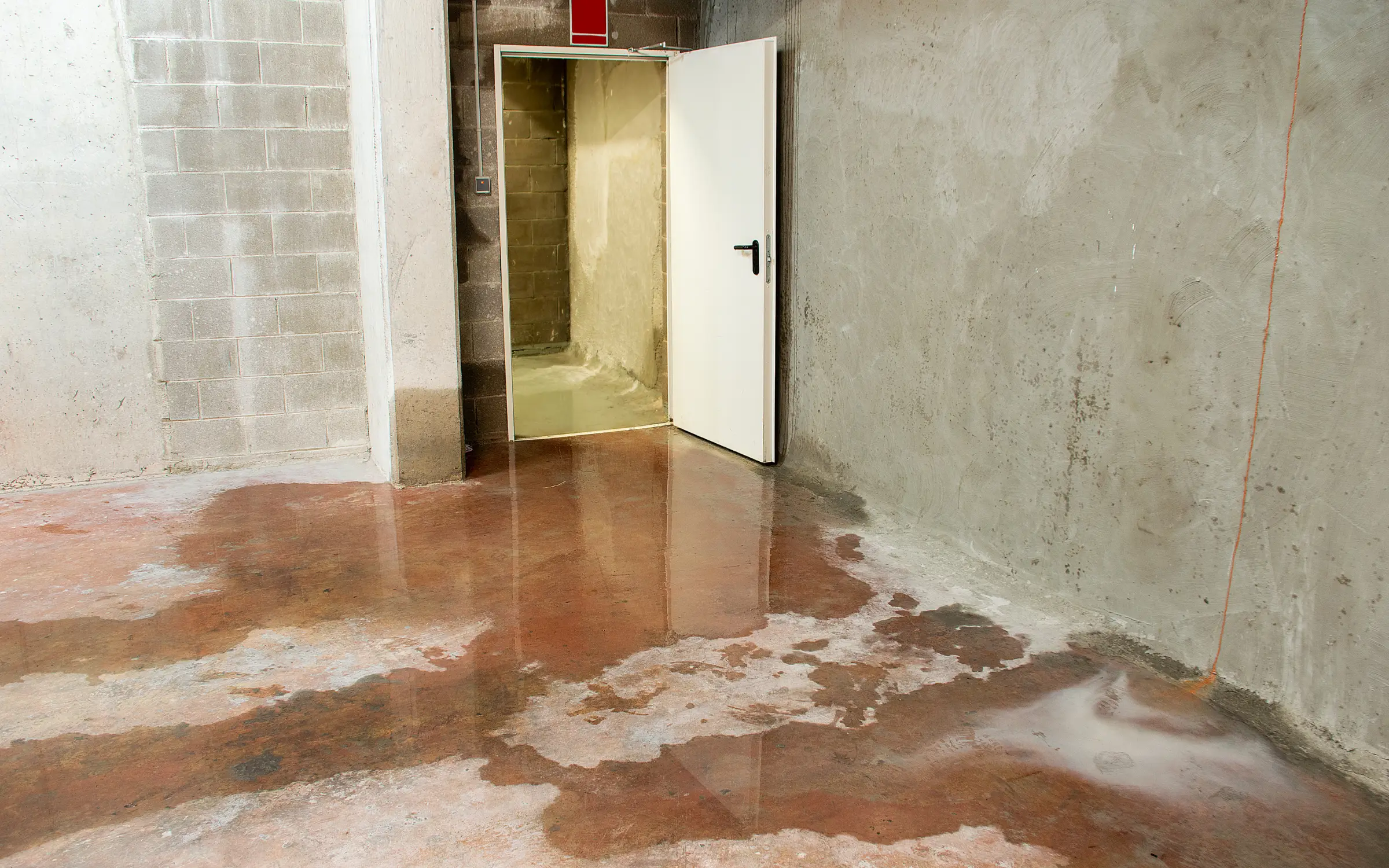
Can you fix water damage yourself?
Most homeowners don’t immediately think, “Call a restoration company.” They think, “I can handle this.” And sometimes, that’s true.
A small spill on tile. A minor overflow caught immediately. A damp area that hasn’t soaked into structural materials… those situations can often be handled with basic cleanup.
But there’s a line.
The problem is that most people don’t know exactly where that line is; where cleanup ends and water damage restoration begins.
As Jamar puts it:
“A lot of times people think they can handle it themselves with towels… but they don’t have the equipment to properly dry it.”
Jamar Hinton
This isn’t about discouraging capable homeowners. But it is important to properly understand risk.
Let’s define clearly when DIY makes sense and when it can actually makes things worse.
When DIY Is Reasonable
There are absolutely situations where professional intervention isn’t necessary.
DIY cleanup is typically reasonable when:
- The water is clean (not sewage or gray water)
- The spill is small and contained
- No drywall or insulation is saturated
- Carpet padding has not absorbed water
- The area is hard surface (tile, sealed concrete)
- You can dry it completely within hours
In these cases, thorough drying and monitoring may be enough.
But understand the distinction: Cleaning visible water is not the same as water damage restoration.
Restoration begins when water has penetrated materials.
If drywall, baseboards, hardwood, or carpet padding absorbed moisture, that’s no longer surface cleanup. That’s structural drying territory.
And if you’re unsure whether materials absorbed moisture, that uncertainty alone is a reason to call a professional to measure it properly.
If you don’t know whether it soaked in – call. Measuring is better than guessing.
When DIY Starts Creating Bigger Problems
When homeowners get into trouble isn’t effort, it’s incomplete drying.
Common mistakes include:
- Using only box fans
- Running a small household dehumidifier
- Tearing out drywall without containment
- Replacing flooring without checking subfloor moisture
Box fans circulate air. They don’t create the negative pressure needed to fully extract moisture from inside materials.
Drywall may feel dry on the surface while the core remains damp. Hardwood may feel firm while the subfloor underneath stays saturated.
Water damage restoration is process-driven:
- Measure
- Extract
- Dry
- Monitor
- Repair
Skipping steps or stopping short of completion just doesn’t eliminate moisture. It hides it. And hidden moisture is what turns small repairs into larger ones weeks later.
It’s also a problem if you delay cleaning up the water – learn what you should be doing immediately after water damage.
Before pulling drywall or flooring, pause. Call and confirm whether removal is actually necessary.
Safety Risks Homeowners Overlook
Beyond repair mistakes, there are safety issues that often get underestimated.
Electrical hazards are a major one.
“If your basement is flooded, don’t go down there… you can get electrocuted.”
Jamar Hinton
Standing water near outlets, appliances, or breaker panels is not something to navigate casually.
Contaminated water is another risk. If the source involves sewage, backups, or gray water, protective equipment and containment become necessary.
Then there’s the common problem of mold growth after water damage.
But you could remove any mold growth yourself, right?
“They could. Do I recommend it? No.”
Jamar Hinton
Disturbing mold without containment can spread spores into unaffected areas, increasing the scope of remediation.
Professional water damage restoration teams use PPE, containment barriers, and controlled airflow when needed. That’s not overkill. It’s appropriate prevention.
If electrical or contaminated water is involved, don’t attempt DIY. Call immediately.
The Equipment Difference
The gap between DIY drying and professional water damage restoration is equipment and measurement.
Professionals use:
- High-velocity air movers
- Commercial-grade dehumidifiers
- Moisture meters
- Hygrometers to track humidity levels
- Daily monitoring to confirm drying progress
Drying isn’t a one-time setup. It needs to be monitored and the readings compared against dry standards. Equipment placement can then be adjusted as needed.
Household equipment simply isn’t designed to extract moisture from structural cavities.
That doesn’t mean DIY always fails. But it does mean DIY is limited when compared to what professionals have access to.
And when moisture remains hidden, the consequences show up later often as odor, warping, or mold. And the repair becomes that much longer and harder.
Let us measure it before you assume it’s dry. That one step can prevent weeks of repair.
The Real Question: What’s the Risk?
DIY water cleanup is really about risk tolerance as well as the equipment you have available. It’s not about your personal competence or ability to do the work.
If you’re confident the water never reached structural materials, DIY may be reasonable.
If you’re unsure – and especially if drywall, flooring, or insulation were involved – the risk increases.
Short-term savings can turn into more expensive items like:
- Mold remediation
- Subfloor replacement
- Cabinet replacement
- Expanded insurance complications
And if the repair eventually exceeds your deductible, early water damage restoration would have simplified the claim process, assuming your homeowners insurance would have covered the water damage. The added problem is that if you delay too long, your claim might be denied altogether.
But we’re not trying to discourage capable homeowners. It’s just that moisture behaves differently than it looks, and unless you’re doing this work every day, you just aren’t aware of the nuance and detail.
If there’s any doubt about how far water traveled, call before deciding to handle it alone.
Conclusion
You can fix some water issues yourself. But not all of them.
The line between cleanup and water damage restoration is simple:
If moisture penetrates building materials, it needs measurement and controlled drying.
If it stayed on the surface and was dried immediately, you’re likely fine.
The risk isn’t the visible water. It’s the hidden moisture.
If you’re debating whether to handle it yourself, call Reyes Restoration and talk to a technician.
We’ll tell you honestly whether it’s something you can manage or whether stepping in now prevents a much larger repair later.
We’re not into upselling. We’ll advise what protects your home the best.
Want to learn everything you need to know about water damage restoration? Check out our complete guide here.
Reyes Restoration is one of the most trusted names in restoration in central Maryland including Baltimore, Annapolis and Washington DC.
Specializing in water & fire damage restoration, mold remediation, and reconstruction, we leave clients across Maryland and the DMV in a better position than before the loss.
Call 410-412-8457 and speak to a technician today!