Water Damage Restoration Lander
Water damage restoration

How Restoration Companies Dry Out a House After Water Damage

Drying out a house after water damage takes more than opening windows and pointing a fan at the wet spot. Water can hide under flooring, behind baseboards, inside drywall, and in insulation long after the surface looks normal. Professional restoration companies use moisture meters, extraction equipment, air movers, dehumidifiers, and regular monitoring to dry the structure safely and thoroughly. This article explains what happens during the drying process, how crews decide what can stay and what needs to come out, and why quick action matters when water has reached walls, ceilings, floors, or hidden spaces inside your home after a leak.

Stressful insurance phone call
Water damage restoration

How Much Does Water Damage Restoration Cost?

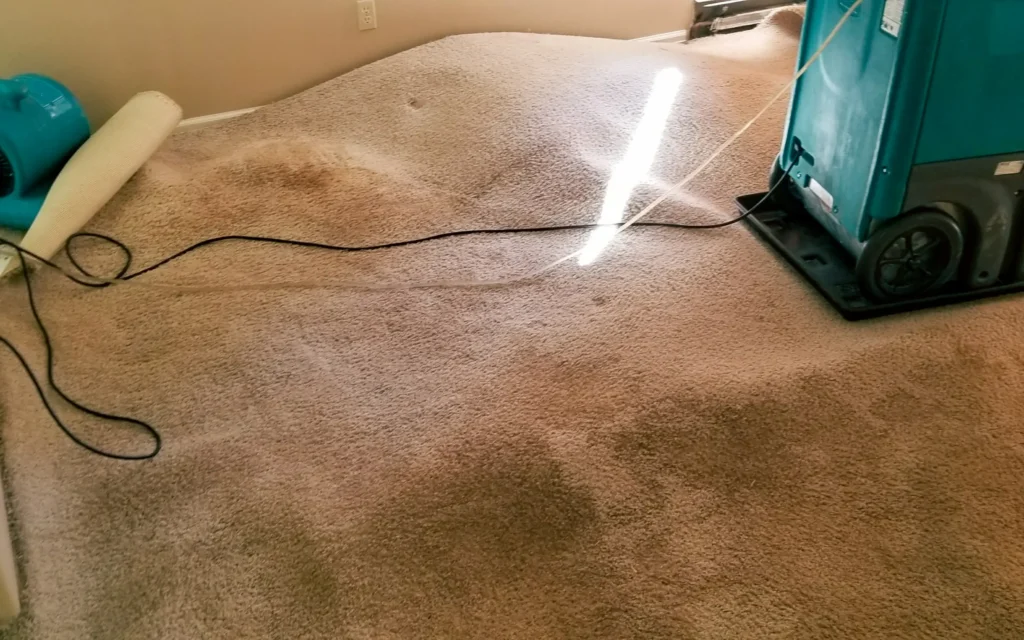
Water damage restoration costs can vary a lot because no two losses are exactly the same. A small clean-water leak caught quickly may cost far less than a flooded basement, sewage backup, or leak that soaked drywall, flooring, cabinets, and insulation. The final price depends on the water source, how far moisture spread, what materials were affected, whether demolition is needed, how long drying takes, and whether repairs or reconstruction are required. This article explains the main cost factors, why emergency mitigation and restoration may be priced separately, and when insurance may help cover the damage after a sudden water loss.

A water damaged carpet being dried and professionally restored
Water damage restoration

What Are the Categories and Classes of Water Damage?

Water damage isn’t all the same. A clean water supply line leak is different from a toilet overflow, stormwater intrusion, or sewage backup. Restoration professionals use water damage categories to describe the source and contamination risk, while water damage classes help describe how much water is involved and how deeply materials are affected. Together, those details guide safety precautions, drying equipment, demolition decisions, cleanup methods, timelines, and repair planning. This article explains Categories 1, 2, and 3, Classes 1 through 4, and what homeowners should know before touching wet materials or assuming the damage is no big deal.

Drywall being installed on a fire damaged and restored property
Water damage restoration

Do You Need to Remove Drywall After Water Damage?

Wet drywall doesn’t always need to be removed, but it should never be ignored. Whether drywall can be dried or needs to come out depends on the water source, how long it stayed wet, how saturated it is, whether insulation is affected, and whether mold or contamination is present. The tricky part is that drywall can look dry on the outside while moisture sits behind paint, baseboards, or inside the wall cavity. This article explains when drywall may be saved, when removal is usually the safer call, and how restoration professionals decide what happens next after water damage in your home.

Water damage contractor and homeowner
Water damage restoration

The Most Common Causes of Water Damage in Maryland Homes

Water damage in Maryland homes can start in plenty of ordinary places: a burst pipe, leaking appliance, sump pump failure, roof leak, overflowing toilet, clogged gutter, or slow drip behind a wall. The tricky part is that small leaks don’t always stay small. Water can travel under flooring, behind cabinets, into ceilings, and through finished basement walls before anyone realizes the damage has spread. This article explains the most common causes of water damage in Maryland homes, what signs to watch for, and when it’s time to call a restoration company before moisture turns into a bigger, messier repair.

A burst pipe leaking water, requiring water damage restoration services
Water damage restoration

Burst Pipe Water Damage: What Homeowners Should Do First

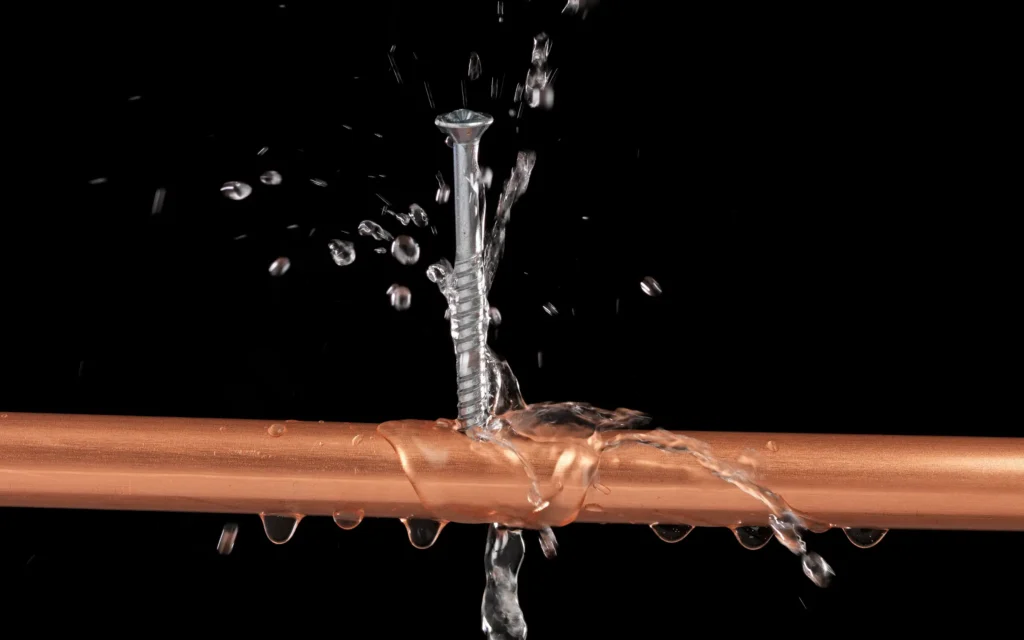
A burst pipe can dump water into your home fast, and the first few minutes matter. Before worrying about repairs, focus on safety, stopping the water source, protecting what you can, and calling a water damage restoration company to inspect, extract, and dry the affected areas. Water from a burst pipe can travel under flooring, behind baseboards, into ceilings, and inside wall cavities before the visible mess tells the full story. This article explains what homeowners should do first after a burst pipe, what to avoid, and how professionals help reduce damage before repairs begin.

Basement flooding
Water damage restoration

Basement Water Damage: What to Do After a Leak, Flood, or Sump Pump Failure

Basement water damage can come from a leaking pipe, sump pump failure, heavy rain, sewer backup, foundation seepage, or stormwater entering through a low point. The first step is not grabbing every towel in the house and hoping for the best. Start with safety, identify the source if you can, avoid contaminated water, document the damage, and call a restoration company when water reaches floors, walls, drywall, insulation, belongings, or electrical areas. This article explains what to do after basement water damage, what to avoid, and how professional drying helps protect your home from bigger problems.

Water damaged property after storm damage in Maryland
Water damage restoration

Can you fix water damage yourself?

Most homeowners don’t immediately think, “Call a restoration company.” They think, “I can handle this.” And sometimes, that’s true. A small spill on tile. A minor overflow caught immediately. A damp area that hasn’t soaked into structural materials… those situations can often be handled with basic cleanup. But there’s a line. The problem is that most people don’t know exactly where that line is; where cleanup ends and water damage restoration begins. This article explores where that line truly is.

Hidden water damage behind baseboard in Maryland
Water damage restoration

Hidden water damage: How to Tell If Water Is Leaking Behind Walls 

Some water damage is obvious. Think standing water, a collapsed ceiling or warped flooring. But often we get calls that start like this: “I think something’s going on behind the wall.” Hidden water damage is common. In fact, it’s more common than dramatic flooding. Slow leaks, minor drips, small seal failures – they sit quietly until signs start appearing. This article explores what to look for and what to do next if you think you have hidden water damage.

Scroll to Top
Call now!